
Understanding the Importance of Choosing the Right Solar Installer
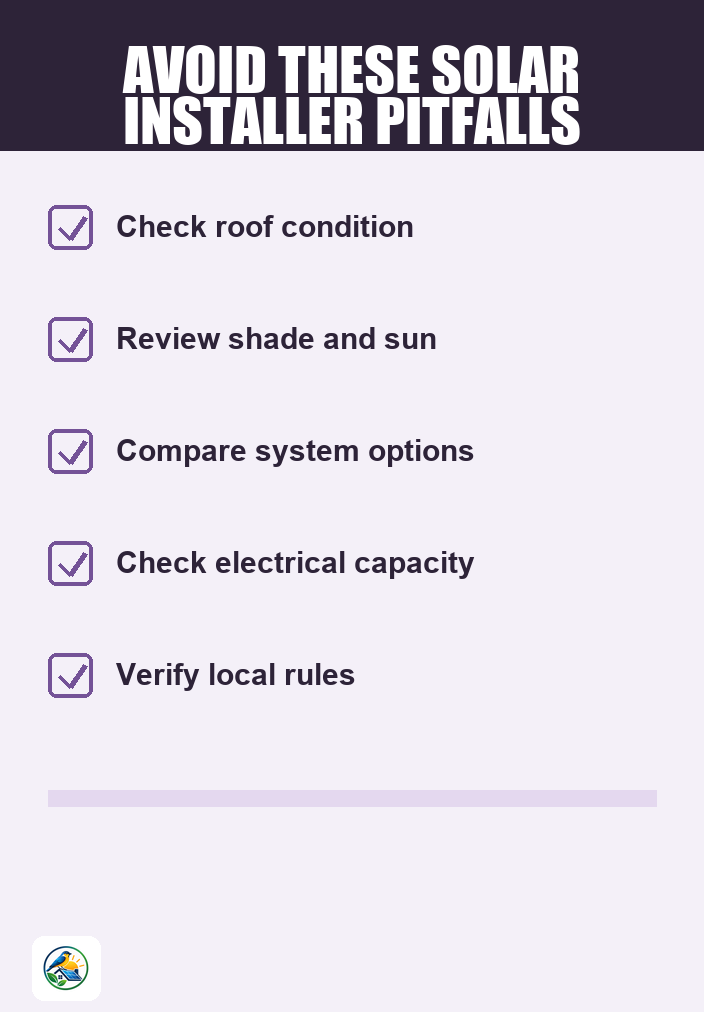
When considering a solar installation for your home, the installer you select plays a critical role in the success of your project. A well-chosen installer can ensure a smooth process from consultation to installation, while a poor choice can lead to complications, unexpected costs, and unsatisfactory results. Here are eleven critical mistakes to avoid when choosing a solar installer.
1. Not Researching Installer Credentials
One of the first steps in selecting a solar installer is to verify their credentials. This includes checking for appropriate licenses, certifications, and insurance. In many states, solar installers must have specific licenses to operate legally. Verify that the installer is licensed in your state and has the necessary certifications, such as those from the North American Board of Certified Energy Practitioners (NABCEP). This ensures that they are trained and knowledgeable about solar technology and installation standards.
2. Failing to Read Reviews and Testimonials
Online reviews and testimonials can provide valuable insights into the experiences of other homeowners. Look for reviews on independent platforms, not just the company’s website. Pay attention to common themes in the feedback, such as customer service quality, installation process, and post-installation support. A lack of reviews or an abundance of negative feedback could be red flags.
3. Not Comparing Multiple Quotes
When seeking a solar installation, it’s essential to obtain multiple quotes from different installers. Each installer may offer different equipment, labor costs, and financing options. Comparing itemized quotes allows you to understand the range of services and pricing available. Aim for at least three quotes to get a well-rounded view of the market.
4. Overlooking Warranty and Service Agreements
A warranty is a crucial aspect of your solar investment. Be sure to discuss and understand the warranties offered by the installer on both the solar panels and the installation work. A good warranty typically covers equipment for 25 years and includes performance guarantees. Additionally, inquire about the service agreements and what kind of support you can expect after installation.
5. Ignoring the Importance of System Design
The design of your solar system should be tailored to your specific home and energy needs. Avoid installers who offer a one-size-fits-all solution. A qualified installer will conduct a thorough assessment of your roof’s orientation, shading, and structural integrity to create a customized system. If an installer seems unwilling to provide a personalized design, consider looking elsewhere.
6. Not Understanding the Technology Offered
Solar technology is continuously evolving, and various types of systems are available, including grid-tied, off-grid, and hybrid systems with battery storage. Make sure the installer explains the differences and recommends a system that aligns with your energy goals. Avoid installers who push a specific brand or product without explaining its benefits and drawbacks.
7. Overlooking Financing Options
Financing can significantly impact the affordability of your solar installation. Some installers offer financing options, while others may only accept cash purchases. Be sure to discuss financing alternatives, including solar loans, leases, and power purchase agreements (PPAs). Understand the terms and conditions associated with each option and how they affect your long-term costs.
8. Not Asking About Permitting and Interconnection
The permitting process for solar installations varies by location and can impact your installation timeline. Ask your installer how they handle permits and if they include this service in their quote. Additionally, inquire about interconnection with your utility, as this process can also affect how quickly you can start using your solar system.
9. Failing to Consider Local Incentives
Many states and local governments offer incentives for solar installations, which can significantly reduce your overall costs. However, these incentives can vary widely based on your location and change over time. Be sure to verify current incentives through local utility, government, or tax resources to understand what financial benefits you may qualify for.
10. Not Evaluating Long-Term Maintenance Needs
Solar systems require minimal maintenance, but they are not completely maintenance-free. Discuss with your installer the maintenance needs of the system they are proposing. This includes the frequency of inspections, cleaning, and any potential repairs. Understanding these requirements will help you plan for the long-term upkeep of your solar system.
11. Rushing the Decision-Making Process
Choosing a solar installer is a significant decision that shouldn’t be rushed. Take your time to research, ask questions, and weigh your options. Rushed decisions can lead to regrets, especially if you find that the installer doesn’t meet your expectations or if you miss out on better options.
Next Steps for Homeowners
Choosing the right solar installer is crucial for maximizing the benefits of your solar system. Start by researching local installers, checking their credentials, and reading reviews. Obtain multiple quotes and carefully compare them to understand what each installer offers. Ensure you ask about warranties, system design, financing options, and local incentives. By taking these steps, you will be better positioned to make an informed decision that suits your home and energy needs.


















