
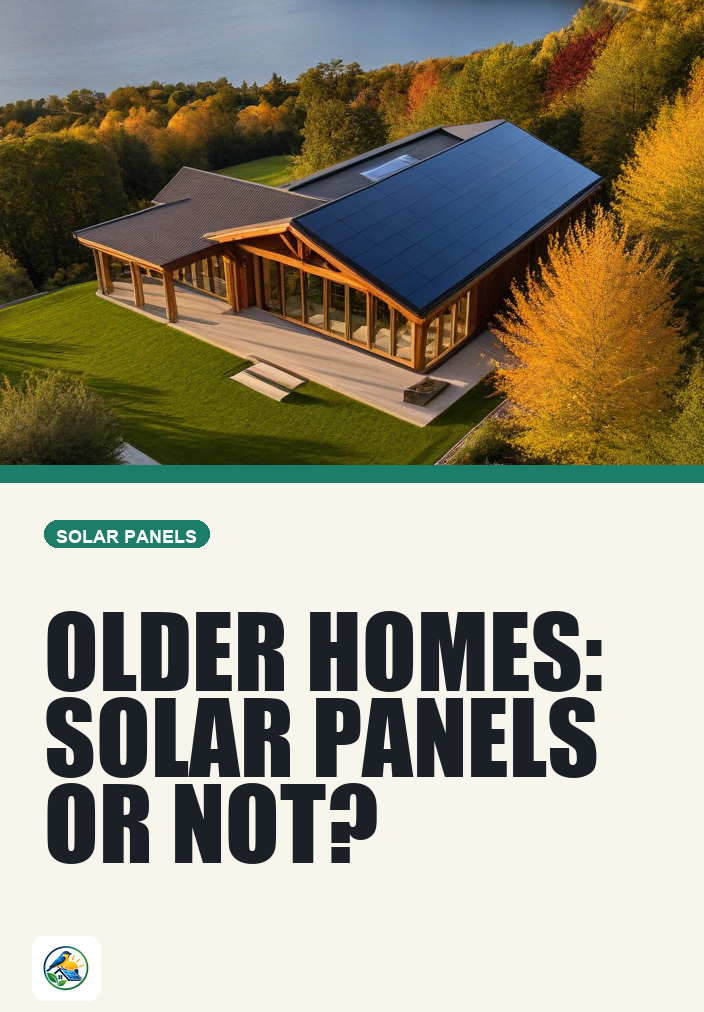
Can Older Homes Effectively Use Solar Panels for Energy Savings?
As homeowners across the U.S. look to reduce energy costs and embrace sustainability, many are turning to solar panels. This trend raises an important question: Can older homes effectively harness solar energy for savings? The answer is nuanced and depends on various factors, including the home’s structure, location, and energy needs.
Understanding the Basics of Solar for Older Homes
Solar panels convert sunlight into electricity, which can be used to power your home or stored in a battery system for later use. While modern homes may be designed with solar in mind, older homes can also benefit from solar energy, but there are specific considerations to keep in mind.
Assessing Roof Condition and Structure
The first step in determining if your older home can support solar panels is to assess the roof’s condition. Key factors include:
- Age and Material: A roof that is nearing the end of its lifespan may require replacement before solar installation. Common roofing materials include asphalt shingles, slate, and metal, each with different durability and longevity.
- Structural Integrity: Ensure that the roof can support the weight of solar panels. A professional roofing contractor can evaluate whether reinforcements are necessary.
- Orientation and Angle: Ideally, solar panels should face south in the Northern Hemisphere for maximum sun exposure. Roof angle also impacts efficiency; a steeper roof may capture more sunlight.
Dealing with Shade and Obstructions
Older homes are often surrounded by mature trees or other structures that can create shade. Assessing shading issues is crucial, as they can significantly reduce the efficiency of solar panels. Here are some steps to evaluate your situation:
- Conduct a Shade Assessment: Observe how much sunlight reaches your roof at different times of the day and throughout the year.
- Consider Tree Trimming: If shade is an issue, you might explore trimming or removing trees, but consider the ecological impact and aesthetic value.
- Panel Placement: Sometimes, panels can be placed on less shaded areas of the roof, or even on ground-mounted systems elsewhere on the property.
Evaluating Electrical Systems and Upgrades
Older homes may have outdated electrical systems. Before installing solar panels, it’s essential to review your electrical setup:
- Electrical Panel Capacity: Ensure your electrical panel can handle the additional load from solar panels. If it’s outdated, an upgrade may be necessary.
- Wiring and Circuits: Check the condition of internal wiring and circuits to ensure they meet current safety standards.
- Net Metering Compatibility: Investigate whether your utility offers net metering, which allows you to sell excess energy back to the grid, maximizing your savings.
Consideration of Local Regulations and Permits
Installing solar panels may require specific permits and adherence to local regulations. Older homes, especially those in historic districts, may have additional restrictions. Research these factors:
- Building Codes: Local building codes will dictate installation methods and materials.
- Historic Preservation: If your home is designated as historic, consult with local authorities to ensure compliance with preservation guidelines.
- Permitting Process: Be prepared for the permitting process, which can vary significantly by location.
Exploring Solar Options: Grid-Tied, Battery Backup, or Off-Grid
When considering solar, homeowners can choose from various systems based on their needs and circumstances:
- Grid-Tied Systems: These are the most common and connect directly to the utility grid. They allow for net metering and typically have lower installation costs.
- Battery Backup Systems: Homeowners can opt for a battery backup system to store energy for use during outages or at night. Consider the cost and maintenance of batteries when evaluating this option.
- Off-Grid Systems: If you live in a remote area or prefer independence from the grid, off-grid systems are available. However, they can be significantly more expensive and require careful energy management.
Financial Considerations and Incentives
While solar panels can offer long-term energy savings, it’s essential to evaluate the financial aspects:
- Installation Costs: Costs can vary widely based on system size, equipment quality, and installation complexity. Get itemized quotes from multiple installers to compare options.
- Available Incentives: Research federal, state, and local incentives that may help offset costs. Verify any claims about tax credits or rebates with local authorities.
- Financing Options: Consider financing options like solar loans or leases, but be mindful of the terms and total costs over time.
Potential Drawbacks and Constraints
While solar energy can be beneficial, there are potential drawbacks and constraints to consider:
- Initial Costs: The upfront costs can be substantial, and financing can add interest payments.
- Maintenance: While solar panels require minimal maintenance, dirt, debris, or snow can reduce efficiency. Regular cleaning may be necessary.
- Weather Impact: Solar energy production can be affected by weather conditions, such as clouds or snow cover.
- Future Plans: Consider your long-term plans for the home. If you plan to move soon, the return on investment may not be as favorable.
Next Steps for Homeowners Considering Solar
If you’re considering solar for your older home, the next steps involve thorough research and evaluation:
- Assess Your Home: Evaluate your roof, electrical system, and any shading issues.
- Check Local Regulations: Research permitting requirements and local incentives.
- Get Quotes: Compare itemized quotes from multiple qualified installers to understand the costs and options available.
- Consult Professionals: Consider engaging with a professional solar consultant who can provide insights tailored to your specific home and needs.
Ultimately, while older homes can effectively use solar panels, careful consideration of various factors is essential. With the right approach, you can determine if solar energy is a viable option for your home.


















