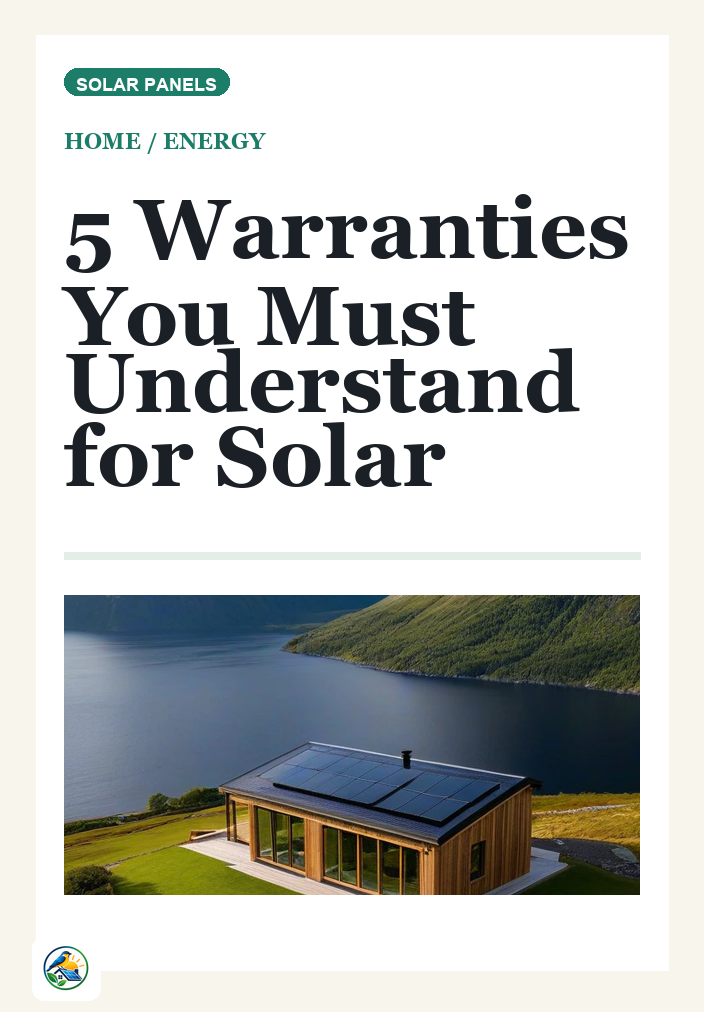
Understanding the Challenges of Shaded Roofs for Solar Panel Installation
When considering solar panels for your home, one of the most significant factors to evaluate is your roof’s exposure to sunlight. For homeowners with shaded roofs, this consideration is paramount. While it is possible to install solar panels on shaded rooftops, doing so comes with unique challenges and trade-offs. This article aims to help you navigate these considerations effectively, ensuring that you make informed decisions about your solar investment.
Evaluating Your Roof’s Sunlight Exposure
Before diving into specific solar panel options, it’s essential to assess how much sunlight your roof receives throughout the day. To do this, consider the following factors:
- Orientation: South-facing roofs typically receive the most sunlight in the Northern Hemisphere. East and west-facing roofs can still be viable, but their energy production might be lower.
- Shading Sources: Identify what is causing the shade on your roof. Is it from trees, nearby buildings, or other structures? Understanding the source can help determine if trimming trees or adjusting panel placement is possible.
- Seasonal Changes: The angle of the sun changes with the seasons. A roof that is well-lit in summer may be considerably shaded in winter. Consider how seasonal variations affect your roof’s sunlight exposure.
Solar Panel Efficiency and Technology
Different types of solar panels have varying levels of efficiency, which can be especially critical for shaded roofs. Here are the main types of solar panels and their considerations:
- Monocrystalline Panels: These panels are known for their high efficiency and performance in low-light conditions. They may be a suitable option for shaded roofs but often come at a higher cost.
- Polycrystalline Panels: Generally less efficient than monocrystalline panels, they are often more affordable. However, their performance can drop significantly in shaded conditions.
- Thin-Film Panels: While typically less efficient than crystalline options, thin-film panels can perform better in partial shade. They may be worth considering if your roof faces significant shading challenges.
Using Microinverters and Power Optimizers
When installing solar panels on a shaded roof, the choice of inverter technology can greatly affect performance. Here’s what to know:
- Microinverters: These devices are installed on each individual panel, allowing them to operate independently. If one panel is shaded, it won’t significantly affect the performance of the others. This can be a viable solution for homes with uneven sunlight exposure.
- Power Optimizers: Similar to microinverters, power optimizers are attached to each panel and help maximize energy production. They work in conjunction with a central inverter and can mitigate some shading issues.
Exploring Battery Storage Options
For homeowners with shaded roofs, incorporating a home battery system can enhance the overall benefits of solar energy. These systems store excess energy generated during sunny periods, providing power when sunlight is limited. Here are a few things to consider:
- Battery Capacity: The size of the battery needed will depend on your energy consumption and how much energy you expect to generate from your solar panels.
- Installation Costs: While batteries can offer independence from the grid and security during outages, they can add to the initial installation cost. Evaluate whether the benefits justify the expense based on your situation.
Maintenance and Roof Condition Considerations
Before installing solar panels, it’s essential to assess the condition of your roof. A roof that requires repairs or replacement may not be a suitable candidate for solar. Key considerations include:
- Roof Age: If your roof is nearing the end of its lifespan, it’s wise to address any repairs or replacements before installing solar panels.
- Structural Integrity: A thorough inspection will determine if your roof can support the weight of solar panels.
- Access for Maintenance: Ensure that your roof allows easy access for cleaning and maintenance, especially if you live in areas with heavy pollen or debris.
Permitting and Local Regulations
Local regulations and permitting can significantly impact the installation process. Each municipality has its own rules regarding solar panel installations, including zoning laws, building codes, and safety regulations. Homeowners should:
- Contact Local Authorities: Reach out to your city or county’s zoning office for information on permits and regulations related to solar installations.
- Consult with Installers: Qualified solar installers should be familiar with local regulations and can guide you through the permitting process.
Comparing Quotes from Qualified Installers
Once you’ve assessed your roof and considered the various factors discussed, it’s time to gather quotes from qualified solar installers. Here are some tips for effective comparisons:
- Itemized Quotes: Ensure that each quote provides a detailed breakdown of costs, including equipment, installation, and any additional features like batteries or special inverter technologies.
- Warranties and Support: Inquire about warranties for panels, inverters, and installation services. Good warranties can provide peace of mind about your investment.
- Performance Estimates: Ask for performance estimates based on your roof’s specific conditions. This information can help you determine the potential energy production.
Next Steps for Homeowners
Installing solar panels on a shaded roof can present unique challenges, but with the right knowledge and resources, it can also be a viable option. Start by assessing your roof’s sunlight exposure, exploring different panel technologies, and understanding the implications of battery storage. Remember to compare detailed quotes from qualified installers to make an informed decision that suits your home’s specific needs. Solar energy is not a one-size-fits-all solution, so thorough evaluation is essential.