
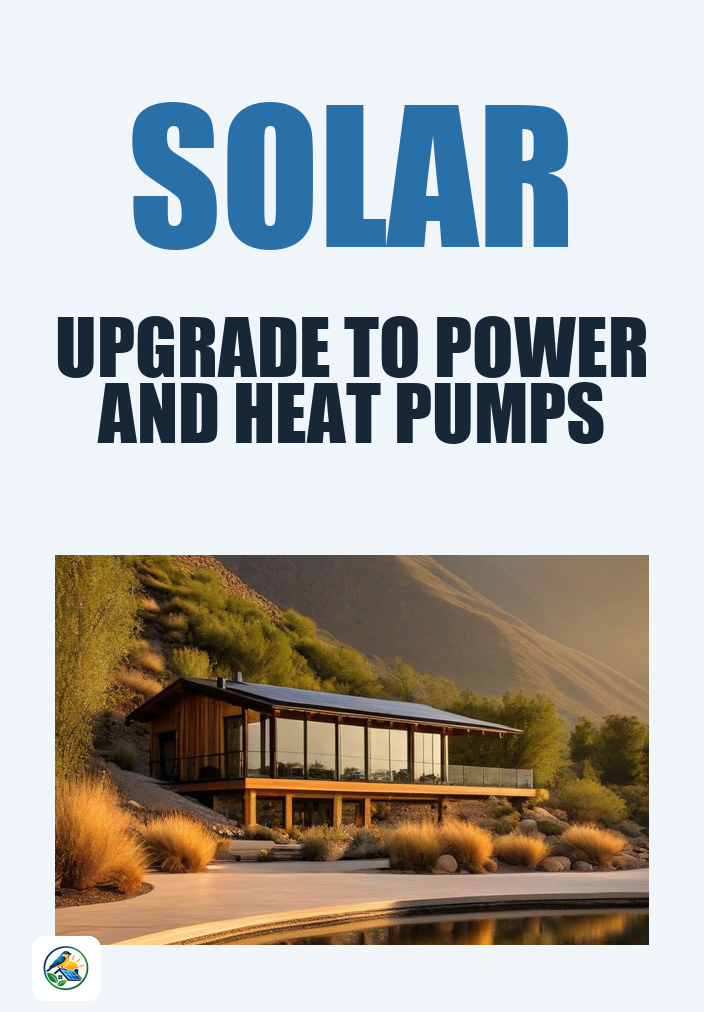
Understanding Solar Power with Heat Pumps
As a U.S. homeowner, you may be considering whether integrating solar power with heat pumps is the right upgrade for your home. This combination can potentially enhance your energy efficiency, but it’s essential to evaluate your specific circumstances before making a decision. This article will explore the benefits, trade-offs, and considerations you should keep in mind when weighing this option.
What Are Heat Pumps and How Do They Work with Solar Power?
Heat pumps are versatile heating and cooling systems that transfer heat rather than generate it. In the winter, they extract heat from the outside air (even in cold temperatures) and transfer it indoors. In the summer, they work in reverse, removing heat from your home and releasing it outside.
When paired with solar panels, heat pumps can significantly reduce your reliance on fossil fuels for heating and cooling. By using solar energy to power your heat pump, you can minimize your electric bill and reduce your carbon footprint. This synergy can be particularly effective if you live in a moderate climate, where both heating and cooling are necessary.
Key Advantages of Combining Solar and Heat Pumps
- Energy Efficiency: Heat pumps are generally more efficient than traditional heating systems, and when powered by solar energy, they can further reduce electricity costs.
- Lower Carbon Footprint: Utilizing renewable energy for heating and cooling can help lower your home’s overall carbon emissions.
- Increased Property Value: Homes equipped with solar systems and energy-efficient appliances often appeal to environmentally conscious buyers.
- Potential Energy Independence: By generating your own electricity, you can reduce your dependence on utility companies.
Considerations Before Making the Upgrade
While the combination of solar power and heat pumps presents many advantages, it’s crucial to consider several factors specific to your home and lifestyle.
Roof Condition and Orientation
Your roof’s condition is a critical factor in determining if solar panels are a viable option. A roof that requires repairs or replacement may not be ready for solar installation. Additionally, the orientation and angle of your roof can impact solar production. South-facing roofs typically receive the most sunlight, but east or west-facing roofs can also work effectively, depending on shading and local climate.
Climate Considerations
Heat pumps work best in moderate climates. If you live in an area with extreme temperatures, you may need auxiliary heating sources, which could affect the overall efficiency. Research how your local climate impacts heat pump performance before deciding.
Energy Needs and Sizing
Determining your home’s energy needs is vital. A professional energy audit can help assess your consumption and identify the right size for both the solar system and heat pump. Sizing them correctly is essential for maximizing efficiency.
Permitting and Utility Regulations
Before installation, you’ll need to check local permitting requirements and utility regulations. These can vary significantly by location and may include interconnection agreements, net metering policies, and incentives. Understanding these regulations can help you avoid unexpected delays or costs.
Trade-Offs to Consider
While there are many benefits to solar and heat pump systems, there are also potential trade-offs and drawbacks:
- Installation Costs: The upfront costs for solar panels and heat pumps can be significant. Make sure to consider financing options and available incentives.
- Maintenance Requirements: Both systems require ongoing maintenance. Heat pumps may need periodic servicing, while solar panels should be cleaned and checked for functionality.
- Battery Limitations: If you consider adding a battery backup system for your solar panels, evaluate the capacity and limitations of the batteries available to you.
Comparing Quotes from Professional Installers
Getting quotes from qualified solar and heat pump installers is crucial for making an informed decision. A detailed quote should outline:
- System size and design
- Installation costs and financing options
- Estimated energy savings and performance metrics
- Warranties and service agreements
As you review quotes, compare itemized costs to understand where your investment is going. Don’t hesitate to ask questions about any components that are unclear. It’s also wise to check reviews or ask for references from previous customers.
Next Steps
Deciding whether solar power with heat pumps is the right home upgrade for you requires careful consideration of your unique circumstances. Start by evaluating your energy needs, roof condition, and climate. Seek professional assessments to get a clear picture of your options and potential costs. Comparing detailed quotes from qualified installers will further help you navigate this decision. Remember to verify any current incentives or local utility policies that may apply to your situation.


















