
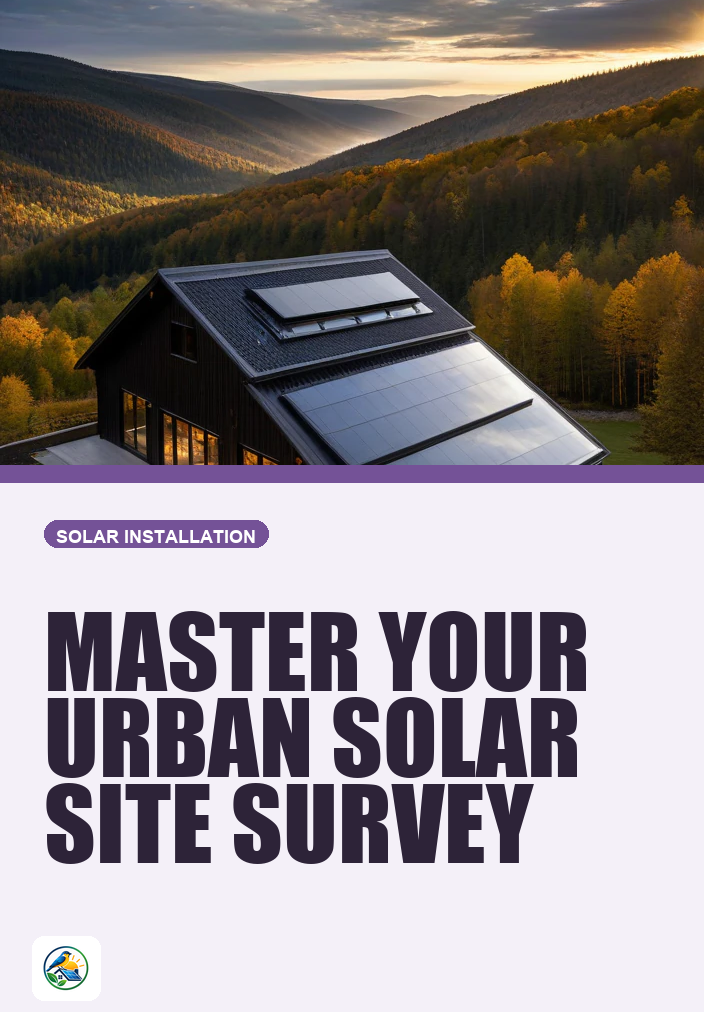
Understanding the Importance of Solar Site Surveys
When considering a rooftop solar installation for your urban home, one crucial step is the solar site survey. This assessment helps determine the feasibility and efficiency of a solar system tailored to your specific property. A solar site survey not only evaluates your roof’s suitability for solar panels but also considers various external factors that may influence your installation. Understanding what to expect from a solar site survey can help you make informed decisions about solar energy for your home.
What Happens During a Solar Site Survey?
A professional solar installer typically conducts the solar site survey. Here are the main components they will likely assess:
- Roof Condition: Inspecting the roof’s age, material, and structural integrity is essential. A roof in poor condition may require repairs or replacement before solar panels can be installed.
- Roof Orientation and Tilt: The direction your roof faces affects solar panel efficiency. South-facing roofs typically receive the most sunlight, while east or west orientations can also work with proper planning.
- Shade Analysis: Trees, buildings, or other structures can cast shadows on your roof and reduce solar energy production. A survey will identify shading issues throughout the day and year.
- Electrical System Compatibility: Your current electrical system needs to support solar panel installation. The installer may check your electrical panel and wiring to ensure compatibility.
- Aesthetic Considerations: The visual impact of solar panels on your home may also be discussed, especially in urban areas with strict aesthetic guidelines.
Key Considerations for Urban Homeowners
Urban homeowners face specific challenges and considerations when it comes to solar installations. Understanding these can help you navigate the solar site survey more effectively.
Space Constraints
Urban homes often have limited roof space due to smaller lot sizes and multi-family buildings. If your roof space is constrained, you may need to consider:
- High-Efficiency Panels: These panels generate more electricity per square foot, making them ideal for smaller roofs.
- Solar Canopies: If roof space is insufficient, consider solar canopies over parking areas or patios.
Local Regulations and Permitting
Different cities and municipalities have varying regulations regarding solar installations. Your installer should be familiar with local permitting processes. Here are some common considerations:
- Building Codes: Ensure your installation complies with local building codes and zoning laws.
- Homeowners Association (HOA) Rules: If you live in an HOA, check their guidelines regarding solar installations and aesthetics.
Utility Policies and Incentives
Each utility company has its own policies regarding net metering, interconnection, and incentives. During your survey, ask your installer about:
- Net Metering: Understand how your utility credits you for excess energy your system generates.
- Incentives: Research any local or state incentives for solar installation, as they can significantly affect your overall costs.
Evaluating Your Solar Options
Once you have a clear picture of your property’s potential for solar energy, you can begin to evaluate your options. Here are some considerations to keep in mind:
Grid-Tied vs. Off-Grid Systems
Most urban homeowners opt for grid-tied systems, as they allow you to draw power from the grid when your solar system isn’t producing enough energy (e.g., at night). However, if you’re interested in energy independence, an off-grid system may be suitable, although it typically requires a larger battery storage capacity and a more significant upfront investment.
Battery Backup Considerations
Adding a home battery can provide backup power during outages and allow you to store excess energy generated during the day for use at night. However, battery systems come with trade-offs:
- Initial Cost: Battery systems can add substantial costs to your installation, so weigh the benefits against the investment.
- Space Requirements: Batteries require space, either inside or outside your home, which may be limited in urban settings.
Preparing for Your Solar Site Survey
To ensure a productive solar site survey, consider preparing the following:
- Roof Documentation: Have any previous roofing documents, including age, material, and repairs, ready for the installer.
- Utility Bills: Bring your recent electricity bills to help the installer understand your energy usage patterns.
- Future Plans: Share any planned renovations or expansions that might affect your energy needs or roof space.
Obtaining and Comparing Quotes
After the site survey, your installer will provide a quote detailing the proposed system, costs, and financing options. It’s essential to compare multiple quotes from qualified installers to find the best fit for your needs. Here are some factors to consider:
- Itemized Costs: Look for clear breakdowns of equipment, installation, permits, and any additional fees.
- Warranties: Understand the warranties offered for both the solar panels and the installation work.
- Installer Experience: Check references and reviews to gauge the installer’s reputation and experience.
Next Steps for Urban Homeowners
Embarking on the journey of solar energy can seem overwhelming, but by understanding the solar site survey process and considering the unique aspects of your urban home, you can make informed decisions. Start by scheduling consultations with qualified solar installers who can perform comprehensive site surveys and provide detailed quotes. Comparing these itemized quotes will give you a clearer picture of your investment and help you determine if solar energy is a viable option for your home.


















