
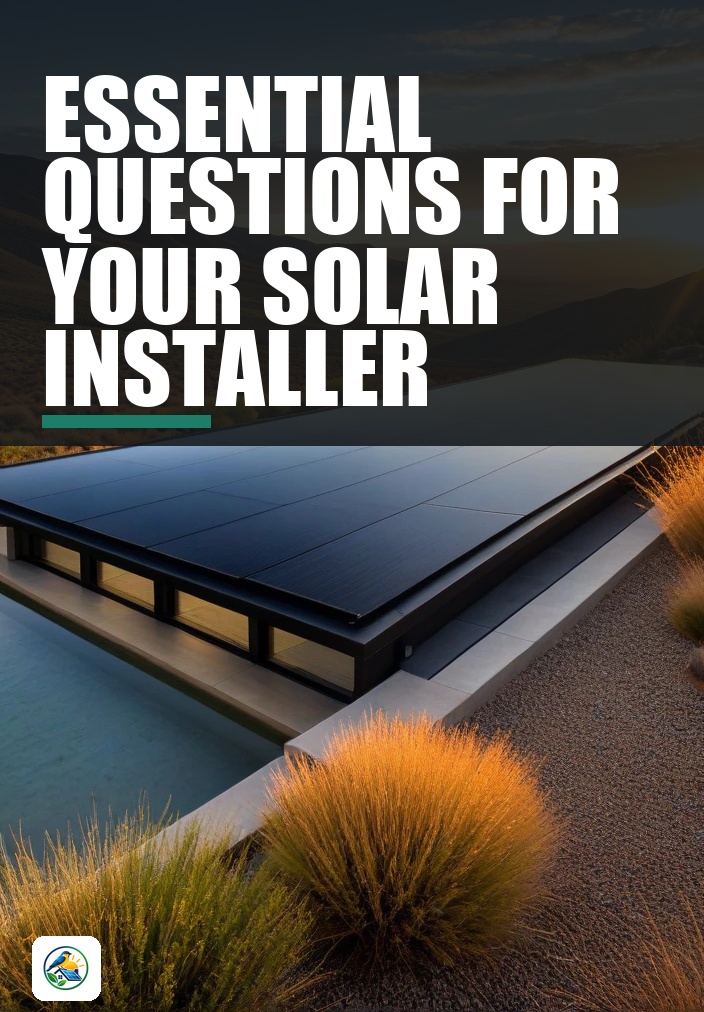
Questions Your Solar Installation Contractor Wishes You Would Ask
When considering a solar installation for your home, it’s easy to focus on the exciting aspects, like energy independence and sustainability. However, there’s a lot more to the process than simply signing a contract. The right questions can help you understand your options and make informed decisions. Here’s a list of inquiries that your solar installation contractor wishes you would think to ask.
Understanding Your Energy Needs
1. How do I determine my home’s energy consumption?
Before installing a solar system, it’s essential to know how much energy your home uses. Check your utility bills from the past year for monthly usage patterns. You can also consider installing a home energy monitor to get real-time data. Knowing your baseline energy consumption will help you size the solar system appropriately.
2. What are my goals for solar energy?
Identifying your goals can guide your decisions. Are you looking to offset your entire electricity bill, or just a portion? Do you want to be prepared for power outages with battery backup? Understanding your objectives will help your contractor design a system that fits your needs.
Solar System Components
3. What types of solar panels and inverters do you recommend?
Solar panels come in various types, such as monocrystalline, polycrystalline, and thin-film, each with its own efficiency and cost considerations. Inverters, which convert the direct current (DC) from panels to alternating current (AC) for your home, also vary. Ask your contractor about the types they use and the pros and cons of each. This will help you understand the technology behind your investment.
4. How does battery storage work with my solar system?
If you’re considering a home battery, ask how it integrates with your solar installation. Battery storage can help you use solar energy during the night or during outages. However, consider the battery’s capacity, lifespan, and warranty. Not all homes require or benefit from battery backup, so discuss your specific situation with your contractor.
Installation Process and Timeline
5. What does the installation process look like?
Understanding the installation timeline is crucial. Ask your contractor about the steps involved, from permitting and inspections to the actual installation. This will give you a clearer picture of how long the process will take and when you can expect your system to be operational.
6. What permits are required, and how do you handle them?
Permitting requirements vary by location. Your contractor should be familiar with local regulations and handle the permitting process on your behalf. Clarifying this will help you avoid potential delays and ensure compliance with local laws.
Maintenance and Support
7. What kind of maintenance will my system require?
Solar systems are generally low maintenance, but they do require occasional upkeep. Ask about cleaning, inspections, and any specific maintenance services your contractor provides. Understanding these responsibilities can help you prepare for ongoing care and costs.
8. What kind of warranty do you offer?
Warranties can vary significantly between different components of your solar system. Inquire about the warranties for panels, inverters, and the overall system installation. A solid warranty can provide peace of mind and protection against future issues.
Financial Considerations
9. What financing options are available?
Financing can greatly affect the affordability of your solar system. Ask your contractor about payment options, including cash purchases, loans, and leases. Each option has its pros and cons, and understanding them will help you choose what works best for your financial situation.
10. Are there any incentives or rebates I should know about?
Incentives for solar installations can vary widely based on your location and the time of installation. Your contractor should be able to provide up-to-date information on available federal, state, and local incentives, but it’s crucial to verify these details independently. Doing so will ensure you understand any potential savings opportunities.
Evaluating Your Property
11. What factors about my property will affect the solar installation?
Several factors can impact the feasibility and efficiency of a solar installation, including roof condition, orientation, shading from trees or nearby buildings, and available space for panels. Ask your contractor to conduct a thorough assessment to identify any potential challenges or limitations.
12. How will local utility policies affect my solar system?
Utility policies, including net metering rules and interconnection requirements, can influence how you benefit from solar energy. Your contractor should explain how these policies apply to your situation and what to expect in terms of grid connection and energy credits.
Next Steps
As you consider solar for your home, remember that the right questions can lead to informed decisions. Comparing itemized quotes from qualified installers can help you assess options and find the best fit for your needs. Take the time to engage with your contractor, clarify your goals, and ensure you understand every aspect of the installation process. With the right preparation, you can make your solar journey a successful one.


















