
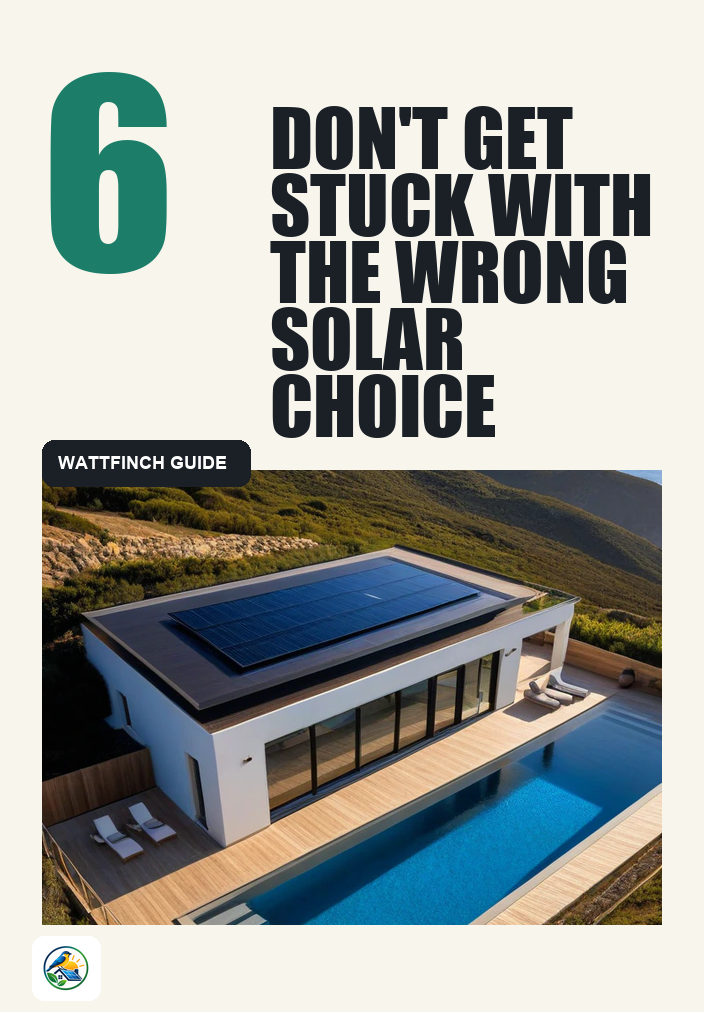
Understanding Your Solar Options for Fully Electric Homes
As homeowners consider transitioning to fully electric homes, many are looking into solar solutions to harness renewable energy. Choosing the right solar system involves understanding various factors, including your energy needs, property characteristics, and available technology. This article aims to guide you through the options, trade-offs, and considerations to make an informed decision.
Assessing Your Energy Needs
Before diving into solar solutions, it’s essential to evaluate your household’s energy consumption. Review your utility bills from the past year to determine your average monthly usage. This information will help you select a solar system that meets your energy needs.
Consider Your Electric Appliances
Fully electric homes typically rely on electric appliances for heating, cooling, cooking, and other daily activities. Assess the power requirements of your appliances, which can usually be found on their labels or in the user manuals. Some questions to consider include:
- What is your average monthly electricity usage in kilowatt-hours (kWh)?
- Are there specific appliances that consume more energy, such as electric heat pumps or water heaters?
- Do you plan to add more electric appliances in the future?
Types of Solar Systems
When considering solar solutions, you’ll typically encounter three main types of systems: grid-tied, battery backup, and off-grid. Understanding the differences between these can help you make an informed choice.
Grid-Tied Solar Systems
Grid-tied systems are connected to the local electricity grid. These systems allow you to use solar power during the day and draw from the grid at night or during cloudy weather. Benefits include:
- Lower installation costs compared to off-grid systems.
- Net metering options that allow you to receive credits for excess energy produced.
However, if the grid goes down, your solar system will shut off to protect utility workers. This may not be ideal for those seeking complete energy independence.
Battery Backup Systems
Battery backup systems store excess solar energy for use during outages or at night. This option provides greater energy security, particularly in areas prone to power interruptions. Key considerations include:
- Higher initial costs due to battery installation.
- Limited storage capacity, which may not cover all energy needs during extended outages.
Battery technologies vary, so it’s essential to research options to find a system that aligns with your energy consumption patterns.
Off-Grid Systems
Off-grid systems operate independently of the utility grid. These setups require sufficient solar production and battery storage to meet all your energy needs. They are ideal for remote locations or homeowners seeking complete energy independence. However, they come with significant challenges:
- Higher upfront costs for installation and equipment.
- Ongoing maintenance for batteries and systems.
Additionally, off-grid systems require careful planning to size the solar array and battery storage accurately.
Evaluating Your Property
Your home’s characteristics will heavily influence the feasibility of solar solutions. Consider the following factors:
Roof Condition and Orientation
Your roof’s condition is crucial. A sturdy, well-maintained roof can support solar panels effectively. If your roof requires repairs or replacement, it’s wise to address these issues before installation. Additionally:
- South-facing roofs typically receive the most sunlight.
- East- and west-facing roofs can still be viable, though they may produce less energy.
- Shading from nearby trees or buildings can significantly impact solar production.
Local Climate
Your local climate can also affect solar production. Homes in sunny regions may generate more energy year-round compared to those in cloudy or rainy areas. Research solar production estimates for your specific location, but remember that actual performance can vary.
Understanding Costs and Financing
While specific costs fluctuate based on location and system size, it’s essential to consider the financial aspect of your solar investment. Here are some factors to keep in mind:
Initial Installation Costs
Installation costs can vary widely depending on the size of the system, type of equipment, and labor. Be prepared for a range of quotes from different installers, as they may offer various financing options.
Incentives and Tax Credits
Current incentives for solar installation can change, so it’s crucial to verify available federal and state tax credits, rebates, and other programs that could help offset costs. Research your eligibility and consult a tax professional for guidance.
Long-Term Expenses
In addition to initial costs, consider potential long-term expenses, such as:
- Maintenance of solar panels and battery systems.
- Insurance coverage adjustments.
- Possible upgrades to your electrical system.
Comparing Installer Quotes
Once you’ve evaluated your energy needs, property characteristics, and financial considerations, it’s time to seek quotes from qualified solar installers. Here are some tips for comparing quotes:
- Request itemized quotes to see the breakdown of costs.
- Inquire about the equipment being used, including panel efficiency and warranty details.
- Ask about the installation process and timelines.
- Understand the terms of any financing options offered.
Consider meeting with multiple installers to ensure you receive a comprehensive understanding of your options and to find a trustworthy professional.
Next Steps
Choosing solar solutions for your fully electric home requires thoughtful assessment of your energy needs, property characteristics, and financial considerations. By understanding the different types of systems available, evaluating your property, and comparing detailed quotes from qualified installers, you can make an informed decision that aligns with your goals. Take the time to research thoroughly and consult with professionals to ensure your solar investment is right for your home.


















