
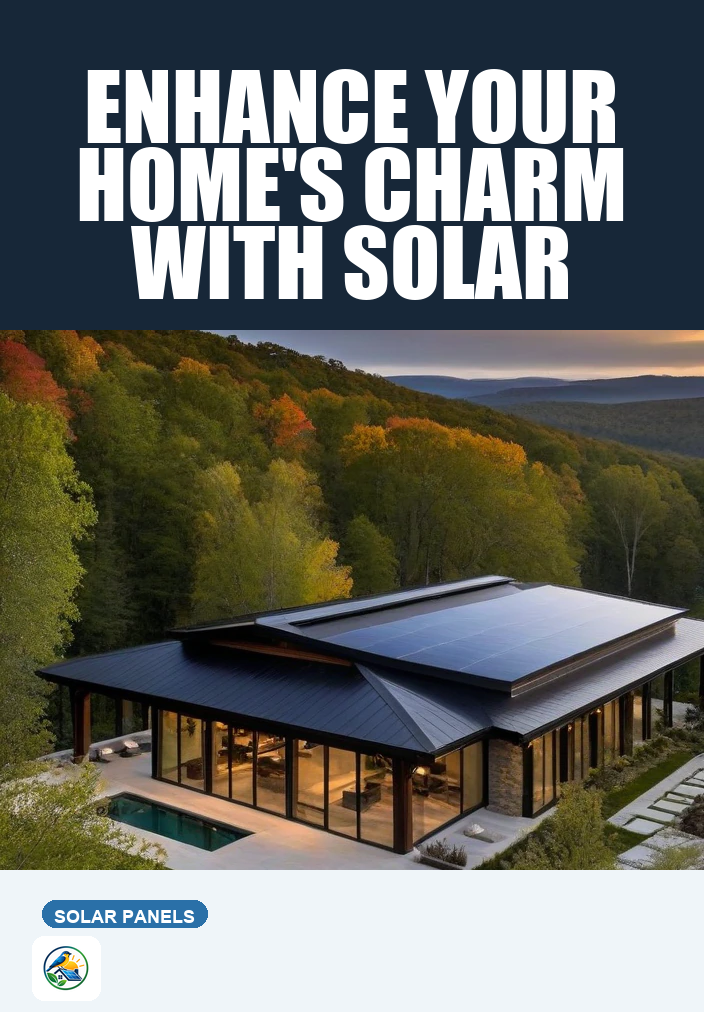
Understanding the Appeal of Solar Energy for Older Homes
Older homes possess a unique charm that many homeowners cherish. However, as energy costs rise and environmental concerns grow, more homeowners are considering solar energy as a viable option. Transitioning to solar energy doesn’t mean sacrificing the character of your historic or older home. In fact, with the right approach, you can enhance your home’s energy efficiency while preserving its aesthetic appeal.
Assessing Your Home’s Suitability for Solar Energy
Before diving into solar solutions, it’s crucial to evaluate your home’s characteristics to determine if solar energy is a good fit. Key factors include:
- Roof Condition: Ensure your roof is in good repair. Solar panels require a stable structure to be mounted securely.
- Roof Orientation: South-facing roofs typically receive the most sunlight, but east and west orientations can also work well.
- Shade Issues: Nearby trees or buildings can obstruct sunlight. Consider trimming trees or choosing solar options that minimize shade impact.
- Electrical System Compatibility: Your home’s electrical system may need an upgrade to accommodate solar energy systems.
Consulting with a professional installer can help assess these factors and provide insight into the best solar setup for your home.
Choosing the Right Type of Solar System
There are several types of solar systems available, each with its own benefits and considerations:
Grid-Tied Solar Systems
Grid-tied systems are the most common type. They connect directly to the utility grid, allowing you to draw energy when solar production is low and sell excess energy back to the grid. This system typically involves lower installation costs but does not provide power during outages unless paired with battery storage.
Battery Backup Solutions
If you’re concerned about power outages or want to maximize your energy independence, consider integrating a battery backup system. This allows you to store excess energy generated during the day for use at night or during outages. Be mindful that batteries add to installation costs and require maintenance.
Off-Grid Systems
Off-grid systems are self-sufficient and do not rely on the utility grid. While they offer complete independence, they require a larger initial investment and careful planning to ensure energy needs are met year-round.
Preserving Your Home’s Aesthetic
One of the biggest concerns for homeowners with older properties is maintaining the home’s historic charm. Fortunately, there are several ways to do this:
- Integrated Solar Roofs: These systems replace traditional roofing materials with solar shingles, blending seamlessly with the home’s design.
- Ground-Mounted Systems: If roof installation isn’t viable, consider ground-mounted solar panels. These can be placed in less visible areas of your property.
- Custom Installation: Professional installers can create custom solutions that fit the unique dimensions and angles of your roof, ensuring minimal visual disruption.
Understanding Local Regulations and Incentives
Before proceeding with a solar installation, it’s vital to be aware of local regulations and financial incentives. Some key considerations include:
- Permitting Requirements: Many municipalities have specific permitting processes for solar installations. Check with your local government to understand these requirements.
- Utility Policies: Familiarize yourself with your utility’s net metering policy, as this will affect how much you can earn by selling energy back to the grid.
- Incentives and Tax Credits: While federal and state incentives can significantly reduce installation costs, these can vary widely. Verify the current offerings independent of this article.
Understanding Costs and Financing Options
The cost of solar energy systems can vary greatly depending on your location, the system size, and installation specifics. It’s essential to get multiple quotes from qualified installers to understand the potential financial commitment. Consider asking the following questions during your consultations:
- What are the total installation costs, including any permits and equipment?
- What financing options are available, and do they include any interest rates or fees?
- How long is the warranty on the solar panels and installation?
Comparing itemized quotes will help you make an informed decision about which installer suits your needs best.
Next Steps for Your Solar Journey
Transforming your older home with solar energy can be a rewarding experience, both in terms of energy efficiency and environmental impact. As you embark on this journey, remember to:
- Assess your home’s suitability for solar energy.
- Explore different types of solar systems, including grid-tied and battery backup options.
- Consult with a professional installer for tailored advice and quotes.
- Stay informed about local regulations, incentives, and financing options.
By taking these steps, you can make an informed decision and enjoy the benefits of solar energy without compromising the charm of your older home.


















