
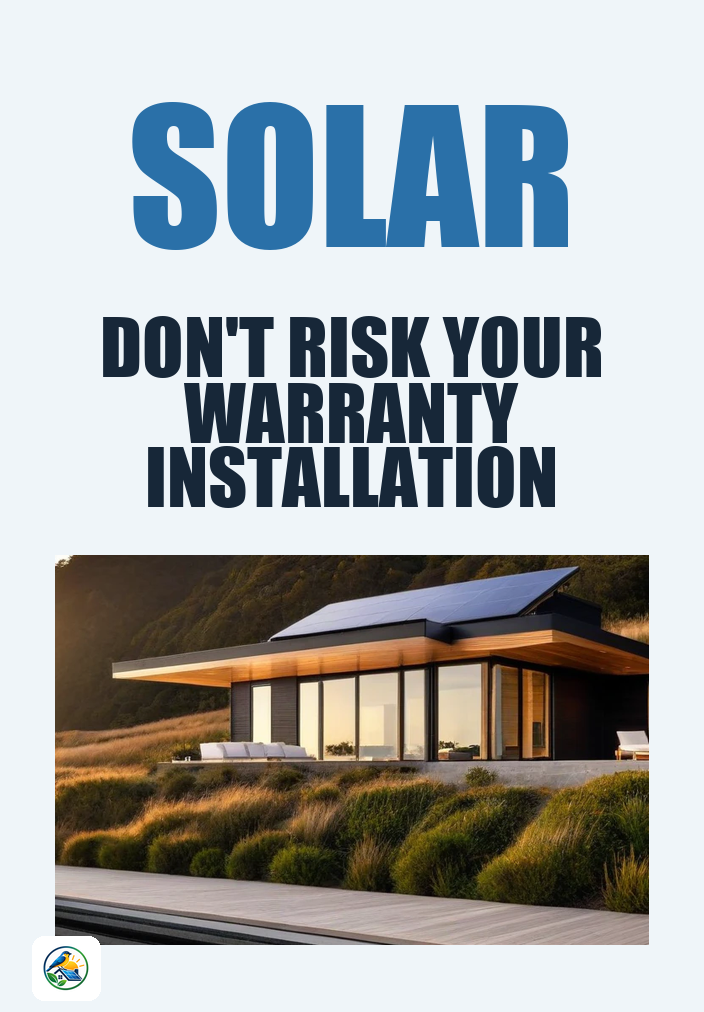
Understanding Your Solar Panel Equipment Warranty Installation
As a U.S. homeowner considering a solar panel installation, it’s essential to understand the importance of warranties and how to prepare for the installation process. Warranties typically cover critical components of your solar energy system, offering peace of mind and protection against defects or performance issues. This article will guide you through the necessary preparations, considerations, and options before your solar panel equipment warranty installation.
The Basics of Solar Panel Warranties
Solar panel warranties generally fall into two main categories: product warranties and performance warranties. Understanding these can help you make informed decisions as you select your solar system.
Product Warranties
Product warranties cover defects in materials and workmanship. These warranties typically last between 10 to 25 years, depending on the manufacturer. A robust product warranty will protect you from unexpected costs related to repairs or replacements if your solar panels fail to meet quality standards.
Performance Warranties
Performance warranties guarantee a certain level of energy production over a specified period, usually around 25 years. If your solar panels produce less energy than promised, the manufacturer may reimburse you for the energy shortfall or replace the defective panels. Understanding the performance warranty is crucial for evaluating the long-term viability and effectiveness of your solar investment.
Preparing for Your Installation
Proper preparation can significantly ease the installation process and ensure your solar panel system performs optimally. Here are some essential steps to follow:
1. Assess Your Roof Condition
Your roof must be in good condition to support solar panels. Before installation, consider the following:
- Age of the roof: If your roof is nearing the end of its lifespan, it may be wise to replace it before installing solar panels.
- Structural integrity: Ensure your roof can support the weight of the solar panels and mounting equipment.
- Pitch and orientation: The angle and direction of your roof can impact solar efficiency. South-facing roofs typically yield the best performance.
2. Evaluate Shading Issues
Shading from trees, buildings, or other obstructions can significantly reduce the efficiency of your solar system. Consider these actions:
- Trim or remove trees: If trees cast shadows on your roof, you may need to consider trimming or removing them.
- Analyze shading patterns: Use shading analysis tools or consult with your installer to identify problematic areas.
3. Review Your Electrical System
Your home’s electrical system must be compatible with solar technology. Check the following:
- Electrical panel capacity: Ensure your panel can handle the additional load of solar energy.
- Wiring and connections: An electrician may need to upgrade wiring or connections to accommodate the new system.
Choosing the Right Installer
Selecting a qualified installer is crucial for a successful solar panel installation. Here are some tips to help you choose:
1. Research Credentials and Experience
Look for installers who have relevant licenses, certifications, and experience in solar installations. Check their track record and customer reviews to gauge their reliability and quality of service.
2. Request Comprehensive Quotes
When seeking quotes, ensure that they include:
- Itemized breakdown of costs: A detailed quote helps you understand what you are paying for, including equipment, labor, permits, and warranties.
- Warranty details: Review the warranties offered for both products and performance, and ask questions if needed.
- Timeline for installation: Knowing the expected timeline can help you plan accordingly.
3. Verify Local Incentives
Incentives for solar installations can vary significantly by location, including federal tax credits, state rebates, and local utility programs. Research and verify current incentives in your area to understand potential savings. Consulting with your installer can also provide insight into available programs.
Understanding Trade-offs and Limitations
While solar energy offers numerous benefits, it’s essential to recognize potential challenges and trade-offs:
- Initial costs: The upfront cost of installation can be significant. Assess your budget and financing options carefully.
- Battery limitations: If considering a battery backup system, understand the limitations in storage capacity and the associated costs.
- Permitting and regulations: Be prepared for potential delays due to local permitting processes and regulations that may affect your installation timeline.
- Maintenance needs: While solar panels require minimal maintenance, occasional cleaning and inspections may be necessary to ensure optimal performance.
Next Steps: Moving Forward with Your Solar Panel Installation
Preparing for your solar panel equipment warranty installation involves thorough research and planning. By assessing your roof condition, electrical system, and shading issues, you can create a solid foundation for your solar investment. Choosing the right installer and understanding warranty options will help safeguard your investment over the long term.
As you move forward, compare itemized quotes from qualified installers to ensure you receive the best value for your solar system. Don’t forget to verify local utility, installer, government, or tax information to make informed decisions tailored to your home.


















