
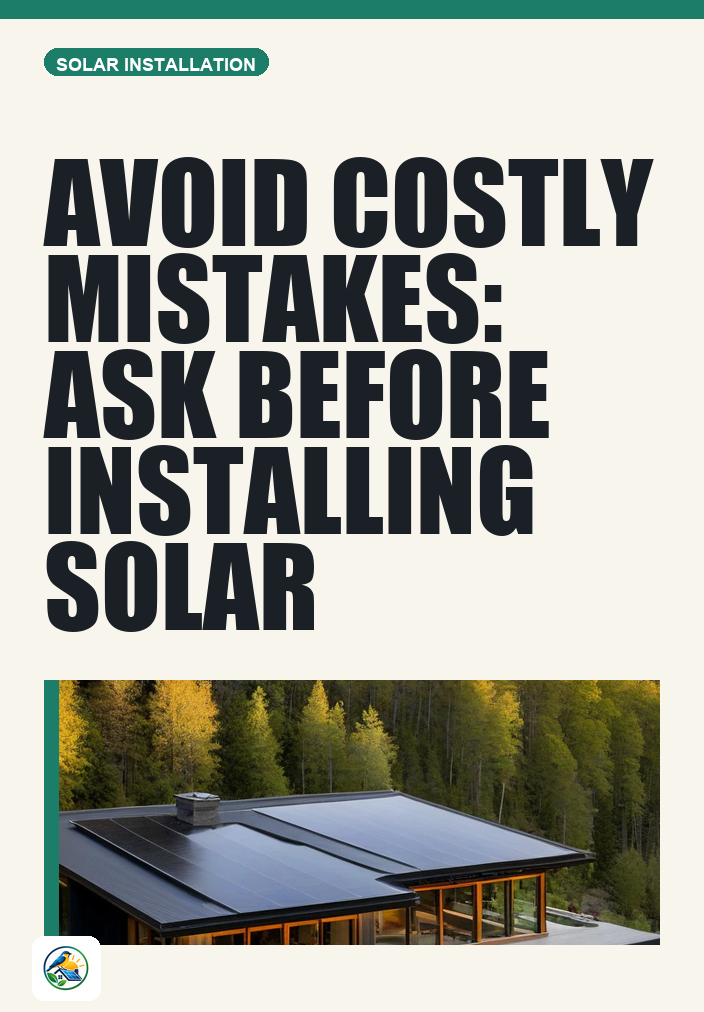
Understanding Your Solar Installation Contractor: Key Questions to Consider
As a homeowner considering a residential rooftop solar system—potentially paired with a home battery—it’s crucial to approach the installation process informed and prepared. Engaging with a solar installation contractor is a significant step, and asking the right questions can help you make an educated decision. Here are essential queries to pose before you get started.
1. What Types of Solar Systems Do You Offer?
Not all solar systems are created equal. Understanding the differences can help you choose a system that best fits your energy needs:
- Grid-tied systems: These systems connect to the power grid, allowing you to draw electricity when your solar panels aren’t producing enough power.
- Battery backup systems: These systems store excess energy for use during outages or high-demand periods, providing more energy independence.
- Off-grid systems: Ideal for remote locations, they operate independently of the grid but require significant battery storage and energy management.
Ask your contractor which of these systems they specialize in and how they cater to different homeowner needs.
2. Can You Provide References and Examples of Past Projects?
Requesting references is critical. A reputable contractor should willingly provide contact information for previous clients. Speak with these homeowners about their experiences, from installation to post-installation service. You may also ask for examples of projects similar to yours, especially in terms of home size and energy usage.
3. What Is Included in the Quote?
Understanding the breakdown of costs is vital. Here are some items to clarify:
- Equipment costs: Are the solar panels, inverters, and batteries included?
- Installation labor: What are the labor costs associated with the installation?
- Permitting and inspection fees: Are these costs covered in the quote or will they be added later?
- Maintenance and warranties: What kind of warranties are offered on the equipment and installation?
Make sure you get a detailed, itemized quote so you can compare it with other contractors effectively.
4. What Are the Financing Options Available?
Solar systems can be a significant investment. Discuss the various financing options your contractor offers:
- Cash purchase: This option often yields the best long-term savings but requires upfront capital.
- Loans: Many installers offer financing plans that allow you to spread costs over time.
- Leases and Power Purchase Agreements (PPAs): These arrangements can lower initial costs but may not provide the same long-term savings as ownership.
Understanding these options can help you assess which best fits your financial situation.
5. How Do You Handle Permitting and Interconnection?
The permitting process can vary significantly based on local regulations. Ask your contractor how they manage this process:
- Permitting: Will they handle the paperwork and liaise with local authorities?
- Interconnection: How will they connect your system to the grid? What requirements must be met?
Clarifying these points can help you avoid unexpected delays or complications.
6. What Is Your Installation Timeline?
Understanding the timeline for your solar installation is crucial. Ask about:
- Initial assessment: How long does it take to evaluate your home and energy needs?
- Installation duration: What is the expected time frame for the actual installation?
- Final inspections: How long after installation will the system be operational?
Having a clear timeline can help you plan accordingly and set realistic expectations.
7. How Do You Address Maintenance and Support?
Solar systems generally require minimal maintenance, but it’s essential to know what support your contractor offers:
- Monitoring: Do they provide a monitoring system to track energy production?
- Service agreements: What kind of maintenance services are available, and are they included in the quote?
- Repairs: How do they handle warranty claims and repairs if something goes wrong?
Understanding maintenance can help you factor long-term costs into your decision.
8. What Are the Limitations of My Property?
Every home is unique, and certain factors can influence the effectiveness of a solar system:
- Roof condition: Is your roof in good shape, or will it need repairs before installation?
- Orientation and shading: Does your roof receive adequate sunlight, or are there trees or structures that create shade?
- Electrical upgrades: Will your electrical panel need upgrades to support the new system?
Discussing these limitations early can help you set expectations regarding system performance and potential additional costs.
9. What Happens If I Decide to Move?
Consider your long-term plans. If you think you might sell your home, ask your contractor:
- Transferability: Can the solar system be transferred to the new homeowner?
- Impact on resale value: How might the system affect the resale of your home?
Understanding these factors can help you gauge the investment’s long-term value.
Next Steps: Comparing Quotes and Making a Decision
After gathering insights from your contractor, it’s essential to compare itemized quotes from multiple qualified installers. Ensure you evaluate the total costs, financing options, and service agreements. Take the time to review the details and ask any follow-up questions. Remember, verifying current local utility, installer, government, or tax information is key to making informed decisions about solar installation.
Approaching your solar journey with questions and clarity will help ensure you choose a solution that works for your home and meets your energy needs.


















