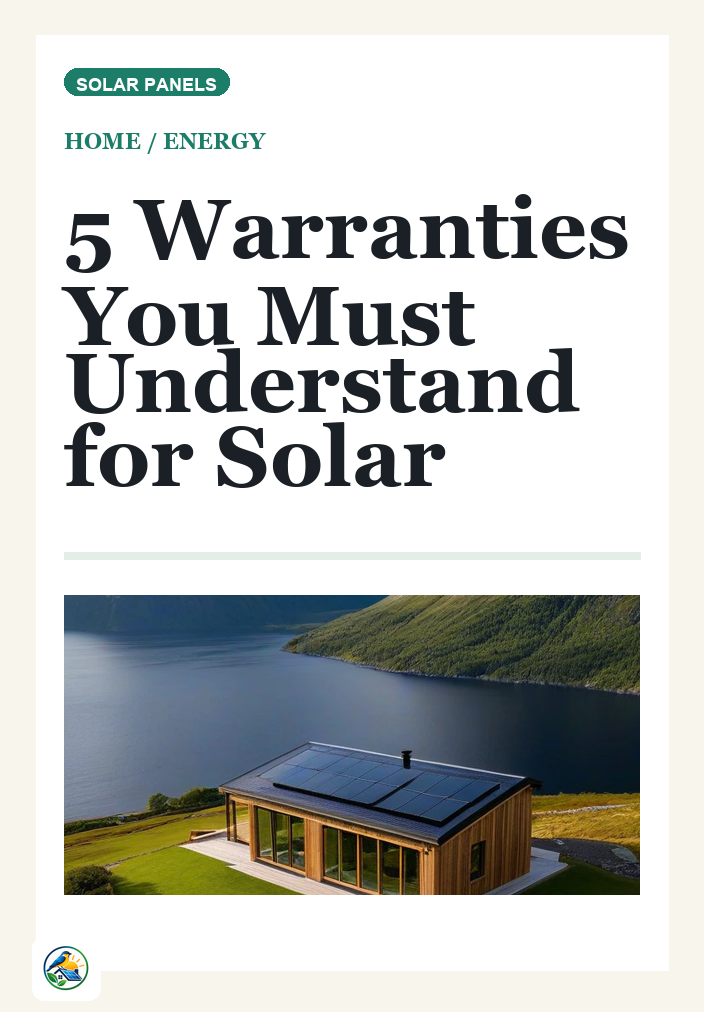
Understanding Ground-Mounted Solar Installation
When considering solar energy for your home, a ground-mounted solar installation can be a viable alternative to rooftop systems. However, before moving forward, it’s essential to evaluate various factors that can influence the effectiveness and feasibility of this option. Here’s a guide to help you understand what to consider before committing to a ground-mounted solar system.
Site Assessment and Location
The first step in determining whether a ground-mounted solar installation is suitable for your home is a thorough site assessment. Consider the following factors:
Available Space
- Size of Your Property: Ensure you have enough land to accommodate the solar array. Ground-mounted systems require a significant amount of space, typically more than rooftop systems.
- Land Use: Assess how much of your land is available for solar panels. You may need to clear vegetation or relocate other outdoor features.
Sunlight Exposure
- Shading: Evaluate potential shading from trees, buildings, or other obstructions. A shaded solar installation can significantly reduce energy production.
- Orientation: South-facing installations generally receive the most sunlight throughout the day, which can improve efficiency.
Soil Quality and Terrain
- Soil Type: Some soil types may require additional support structures for the solar array. Consulting with a professional will help determine if your soil is suitable.
- Land Slope: Steeper terrain can complicate installation and may require additional engineering considerations.
Regulatory and Permitting Considerations
Before installation, you must navigate local regulations and permitting processes. Here are key considerations:
Zoning Laws
- Local Regulations: Check with your local zoning office to understand any restrictions related to solar installations. Some areas have specific regulations concerning the height and placement of ground-mounted systems.
- Homeowners Association (HOA) Guidelines: If you live in a community governed by an HOA, review their guidelines as they may have restrictions on solar installations.
Permitting Requirements
- Building Permits: Most municipalities require a building permit before installation. This can involve submitting plans and undergoing inspections.
- Interconnection Agreements: If you plan to connect your system to the grid, you may need to secure an interconnection agreement with your utility company.
Cost Considerations and Financing Options
Ground-mounted solar installations can vary significantly in cost based on several factors. Understanding these can help you make informed decisions:
Initial Investment
- Installation Costs: The upfront cost can include equipment, labor, and any necessary site preparation. Request itemized quotes from multiple installers to compare pricing.
- Maintenance Costs: Consider potential maintenance expenses over the lifespan of the system, including cleaning and inspections.
Financing Options
- Loans: Explore solar loans that allow you to finance the installation over time. Compare interest rates and terms from various lenders.
- Leases and Power Purchase Agreements (PPAs): These options allow you to install solar with little to no upfront costs, but they may affect long-term savings.
Energy Needs and System Sizing
Understanding your household’s energy needs is crucial for sizing your solar system appropriately:
Energy Consumption
- Review Utility Bills: Analyze your past utility bills to determine your average monthly energy consumption. This will help you estimate the size of the system you need.
- Future Energy Plans: Consider any future changes that might affect energy consumption, such as purchasing an electric vehicle or adding home appliances.
System Sizing
- Panel Efficiency: Research the efficiency of different solar panels to understand how much energy they can generate in your specific conditions.
- Battery Storage: If you plan to include a home battery, factor in the additional costs and benefits of energy storage in your calculations.
Long-term Considerations
Thinking about the long-term implications of a ground-mounted solar installation is essential for making a sound decision:
Durability and Lifespan
- Panel Lifespan: Most solar panels come with warranties that last 25 years or more. Understand the expected lifespan and performance degradation over time.
- Component Replacement: Be aware that components such as inverters may require replacement within the system’s lifetime, which can add to overall costs.
Impact of Weather
- Climate Considerations: Different climates can affect solar performance. For example, areas with heavy snowfall may require different considerations for installation and maintenance.
- Weather Patterns: Regular storms or high winds may necessitate additional structural support for ground-mounted systems.
Next Steps: Making an Informed Decision
Considering a ground-mounted solar installation involves evaluating multiple factors to ensure it aligns with your home and energy goals. The next steps involve:
- Conducting a thorough site assessment to understand your property’s suitability.
- Researching and understanding local regulations, permitting, and HOA guidelines.
- Comparing itemized quotes from qualified solar installers for a clear understanding of costs.
- Verifying current incentives and financing options to understand the financial landscape.
- Assessing your energy needs and future plans to ensure the system size meets your requirements.
Ultimately, the decision to install a ground-mounted solar system should be based on careful consideration of your unique circumstances and thorough research. By being informed and diligent, you can make a choice that best suits your home and energy needs.