
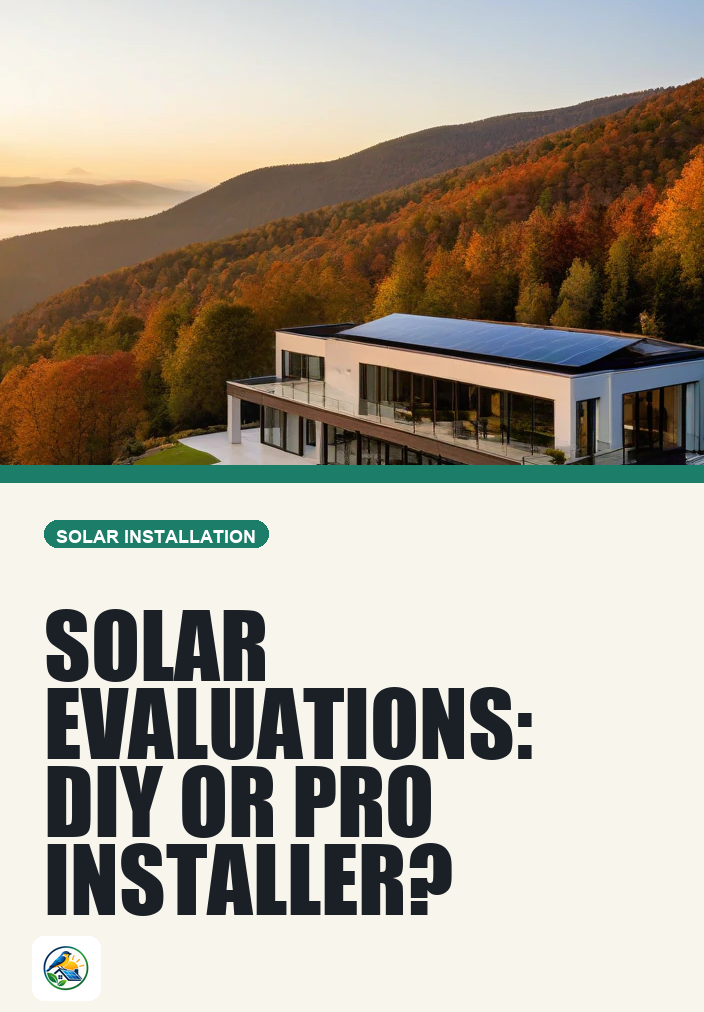
Understanding the Importance of Solar Site Evaluations
As a homeowner considering a solar installation, the first step is often a thorough site evaluation. This process identifies the unique characteristics of your property that affect solar energy generation. Evaluating your home’s suitability for solar can be challenging, but by understanding the key factors, you can make informed decisions and avoid potential pitfalls.
Key Factors Impacting Solar Suitability
When evaluating your property for solar installation, consider the following factors:
- Roof Condition: The structural integrity of your roof is essential. An old or damaged roof may need repairs or replacement before solar panels can be installed.
- Roof Orientation and Pitch: South-facing roofs typically receive the most sunlight, followed by west and east orientations. The pitch of your roof can also impact how much sunlight your panels receive.
- Shade from Trees and Structures: Overhanging branches or nearby buildings can cast shadows on your solar panels, significantly reducing their effectiveness. Examine your property throughout the day to identify potential shading issues.
- Available Space: The amount of roof space available for solar panels will determine how many you can install. Consider whether your roof has enough space to meet your energy needs.
- Electrical System Compatibility: Your home’s existing electrical infrastructure should be assessed to ensure it can handle the additional load from solar panels and, if applicable, battery storage systems.
Conducting a Self-Evaluation
Before reaching out to a professional installer, you can conduct a preliminary self-evaluation. Here’s a checklist to guide you:
- Inspect your roof for damage or wear. Look for missing shingles, leaks, or significant wear.
- Determine your roof’s orientation. Stand in your yard and use a compass to identify the direction your roof faces.
- Observe the sun’s path. Spend a few hours outside during peak sunlight hours, marking any shaded areas on your property.
- Measure your available roof space. Use a tape measure to estimate the square footage of your roof.
- Review your current electricity use. Look at your past utility bills to understand your energy consumption patterns.
Working with Professional Installers
After your self-evaluation, the next step is to consult with professional solar installers. They will perform a detailed assessment of your property, often providing insights that may not be apparent to a homeowner. Here’s what to expect during this evaluation:
What Professionals Look For
- Detailed Roof Inspection: Professionals will check for structural issues, the materials used, and any potential obstructions.
- Solar Access Analysis: Using tools like solar pathfinders or software, they will calculate the amount of sunlight your roof receives throughout the year.
- Electrical System Assessment: They will evaluate your electrical panel and wiring to ensure they are compatible with a solar installation.
- Permitting and Local Regulations: Installers will be familiar with local zoning laws and permitting processes, which can vary widely.
Understanding System Types
When evaluating your options, it’s essential to distinguish between different solar systems:
- Grid-Tied Systems: These systems connect to the local utility grid. They allow you to draw power from the grid when solar production is low and send excess power back to the grid, often resulting in credits.
- Battery Backup Systems: These systems store energy produced during the day for use at night or during power outages. They can be more expensive but offer increased energy independence.
- Off-Grid Systems: Designed for homes without access to the utility grid, these systems rely entirely on solar energy and battery storage. They require careful planning and sizing to ensure adequate energy supply.
Common Challenges and Considerations
While solar energy offers many benefits, there are challenges to consider:
- Initial Costs: The upfront cost of solar installation can be significant. Be sure to explore financing options and local incentives.
- Maintenance: While solar panels require minimal maintenance, they should be cleaned occasionally to ensure optimal performance.
- Weather Limitations: Extreme weather conditions can impact solar production, so consider your local climate and how it may affect your energy generation.
- Future Plans: If you plan to renovate or expand your home, consider how those changes might impact your solar setup.
Comparing Quotes Effectively
Once you have evaluated your property and consulted with professionals, you may receive several quotes. Comparing these proposals can be challenging, but here are some tips:
- Look for Itemized Quotes: Ensure each quote breaks down costs for equipment, installation, permits, and any additional services.
- Compare Equipment Quality: Different installers may use various brands and types of solar panels, inverters, and batteries. Research the equipment’s efficiency and warranty terms.
- Understand Financing Options: Review financing terms, including interest rates and repayment periods. Some installers may offer leasing options, while others may provide loans.
- Check Installer Credentials: Verify the qualifications, experience, and customer reviews of each installer to ensure you’re working with reputable professionals.
Next Steps for Homeowners
As you navigate the solar installation process, remember that thorough evaluations and informed comparisons are crucial. Start by assessing your property and consulting with qualified installers. By understanding the different system types and considering the factors that affect solar suitability, you will be better positioned to make a decision that aligns with your energy goals.
Finally, when comparing quotes, focus on itemized details and seek clarification on any aspects that are unclear. This diligence will help ensure that your investment in solar energy is a sound one.


















