
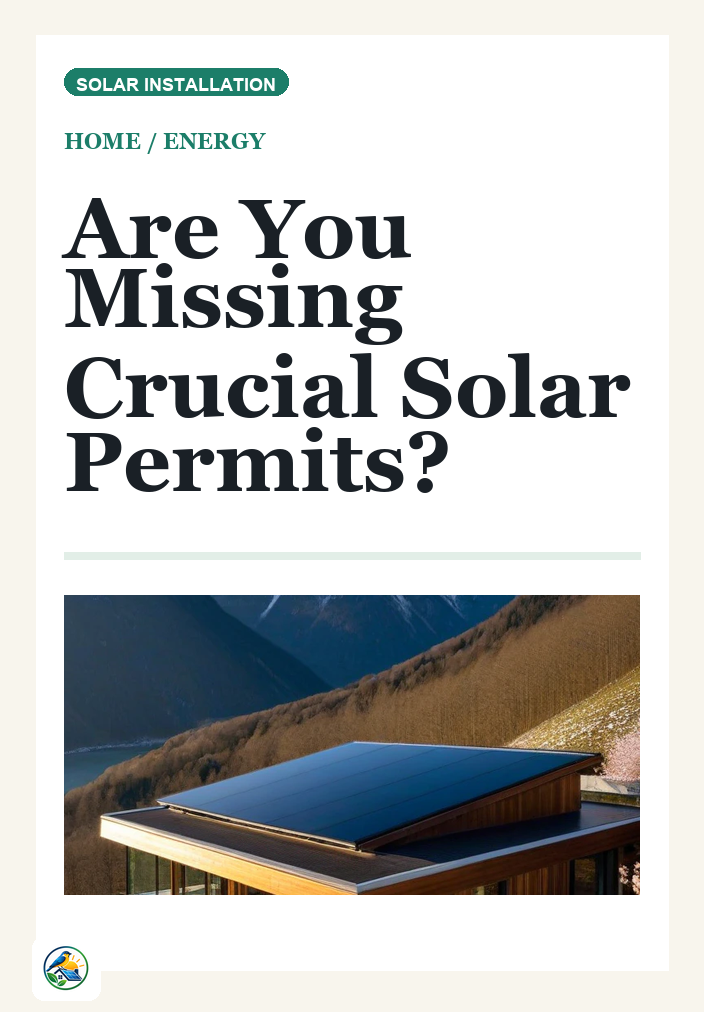
Understanding the Permits Needed for Solar Installation
Installing a solar energy system on your home can be an exciting step toward energy independence and sustainability. However, before you start, it’s essential to navigate the often-complex world of permits and regulations that come with such an installation. This article outlines the ten crucial permits you may need before proceeding with your solar installation, ensuring that you are informed and prepared for the process ahead.
1. Building Permits
Most local governments require a building permit before you can install a solar energy system. This permit ensures that your installation complies with local building codes and regulations. The requirements vary by location, so it’s essential to check with your local building department.
What to Consider:
- Confirm whether your installation requires a permit based on your local codes.
- Gather necessary documents, such as plans and specifications of the solar system.
- Be prepared for potential inspections before and after the installation.
2. Electrical Permits
In addition to building permits, you will likely need an electrical permit. This permit is crucial if your installation involves connecting your solar system to the electrical grid or your home’s electrical panel.
What to Consider:
- Consult with your installer to ensure they are licensed to handle electrical work.
- Review local electrical codes to ensure compliance.
3. Interconnection Agreement
If you plan to connect your solar system to the grid, you must obtain an interconnection agreement from your utility company. This agreement outlines the terms under which you can connect your system to the grid and details the responsibilities of both parties.
What to Consider:
- Check with your utility provider for specific interconnection requirements.
- Understand the net metering policies that may affect how you earn credits for excess energy produced.
4. Zoning Permits
Some areas may require zoning permits, particularly if you live in a community with specific regulations regarding home modifications. These permits ensure that your solar installation complies with land use regulations.
What to Consider:
- Research local zoning laws that apply to your area.
- Discuss with your installer if zoning issues could impact the installation.
5. Homeowners Association (HOA) Approval
If you live in a community governed by a homeowners association, you might need their approval before installing solar panels. Many HOAs have specific guidelines about the appearance and placement of solar systems.
What to Consider:
- Review your HOA’s rules regarding solar installations.
- Submit plans and designs to your HOA for review and approval.
6. Environmental Permits
Depending on your location and the size of your solar installation, you may need environmental permits. These permits ensure that your project adheres to environmental laws and regulations designed to protect natural resources.
What to Consider:
- Consult with local environmental agencies regarding required permits.
- Evaluate if your project could impact local wildlife or habitats.
7. Fire Department Approval
In some jurisdictions, particularly in areas prone to wildfires, you may need fire department approval for your solar installation. This approval ensures that your system meets fire safety regulations.
What to Consider:
- Check local fire codes that may impact your installation.
- Be prepared to demonstrate compliance with safety standards.
8. Structural Engineering Review
For larger systems or installations on older roofs, a structural engineering review may be necessary. This review assesses whether your roof can support the additional weight of solar panels.
What to Consider:
- Have your roof inspected to determine its condition and suitability for solar panels.
- Consult a structural engineer if your roof requires reinforcement.
9. Utility Rebates and Incentive Applications
Some utilities offer rebates or incentives for solar installations, but you often need to apply for these programs before installation. This step may require additional documentation and adherence to specific guidelines.
What to Consider:
- Check with your utility provider for available incentives and application processes.
- Prepare necessary paperwork, such as installation plans and equipment specifications.
10. Additional Local Permits
Depending on your specific circumstances, you may encounter additional local permits, such as those related to historical preservation or special use permits for unique properties. Always verify with your local authorities.
What to Consider:
- Consult your local planning department for any unique requirements.
- Be aware of any potential delays caused by additional permit applications.
Next Steps: Be Prepared and Informed
As you consider installing a solar system, understanding these permits is crucial for a smooth installation process. Each home and location presents unique challenges, and permits can vary significantly depending on local regulations. It’s advisable to work closely with a qualified solar installer who can guide you through the permitting process and provide you with tailored advice based on your specific property.
Before making a decision, compare itemized quotes from multiple qualified installers. Ensure they understand the local permitting landscape and can assist you in navigating the necessary steps. Doing your homework now can save you time and headaches down the road.


















