
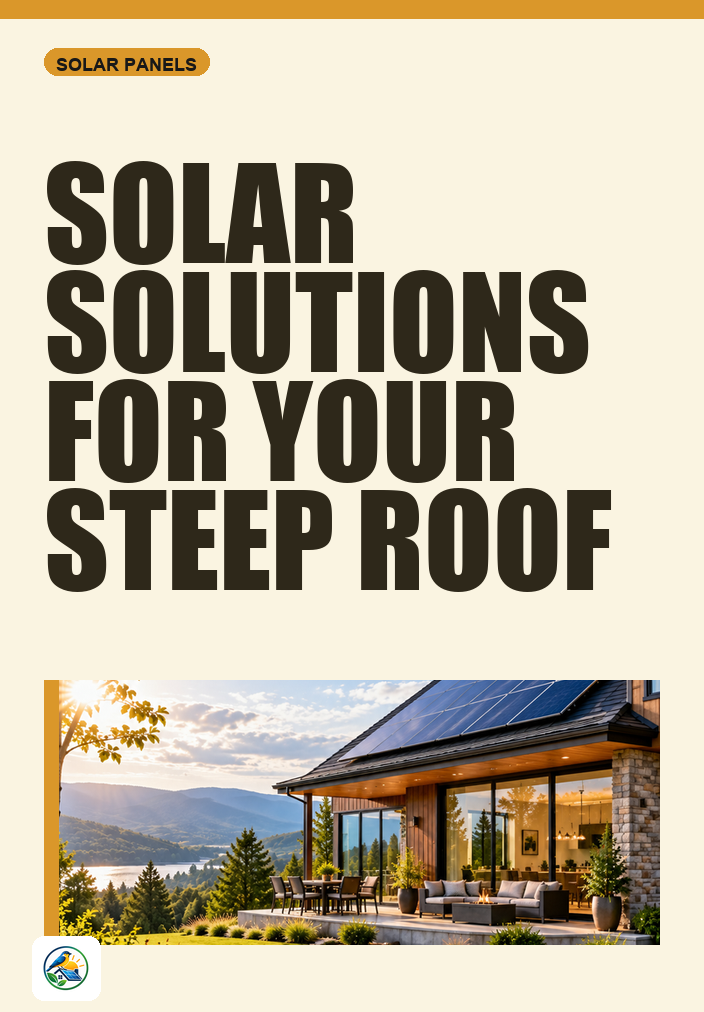
Understanding the Unique Challenges of Installing Solar Panels on Steep Roofs
When considering solar panels for your home, the steepness of your roof can significantly influence your options and decisions. Steep roofs present unique challenges and opportunities that require careful planning, informed decision-making, and the right installation approach. This guide will help you navigate these considerations, compare your options, and plan for a solar panel system that fits your steep roof.
Assessing Your Roof’s Suitability for Solar Panels
Before diving into specific solar options, it’s crucial to evaluate your roof’s characteristics. Factors such as pitch, orientation, material, and condition will affect your solar installation.
Roof Pitch and Angle
The slope of your roof, typically measured in degrees or as a ratio (rise over run), influences how solar panels will be mounted and how effective they will be. A steeper roof allows for better solar exposure, but it also complicates installation:
- Installation Difficulty: A steeper pitch can increase installation costs due to the need for specialized equipment and safety measures.
- Panel Orientation: The angle affects how much sunlight your panels will receive. Ideally, they should face south to maximize exposure, but east or west can also work well depending on your location.
Roof Material and Condition
The material of your roof can impact the installation method:
- Asphalt Shingles: Generally easy to work with and compatible with most mounting systems.
- Metal Roofs: Often allow for direct mounting, which can be advantageous for steep angles but may require specific mounting hardware.
- Tile Roofs: More complex to install on a steep roof. They may require specialized installers to avoid damage.
Additionally, ensure your roof is in good condition. If your roof is nearing the end of its lifespan, it may be wise to address repairs or replacements before installing solar panels.
Evaluating Solar Panel Options for Steep Roofs
Once you’ve assessed your roof’s suitability, consider the different types of solar panel systems available:
Grid-Tied Solar Systems
A grid-tied solar system connects your home to the electricity grid. This type is popular due to its relatively lower installation costs and the ability to draw power from the grid when solar production is insufficient. Key points include:
- No Battery Backup: Energy is drawn from the grid when solar power isn’t available, but you won’t have power during outages unless you add a battery.
- Net Metering: Excess energy produced can be fed back into the grid, potentially earning credits on your utility bill, depending on your local utility policies.
Battery Backup Systems
Adding a battery backup system allows you to store excess energy generated by your solar panels for use during outages or at night. Consider these aspects:
- Increased Cost: Batteries add to your initial investment and may require additional space.
- Power Management: You’ll have more control over your energy usage, especially during peak demand times or outages.
- Installation Complexity: The integration of batteries can complicate the installation process, particularly on steep roofs.
Off-Grid Solar Systems
If you’re considering going off-grid, a complete solar system with battery storage may be your best option. This setup requires careful planning and calculation:
- Higher Initial Investment: Off-grid systems are generally more expensive due to the need for larger battery banks and additional solar panels.
- Space Considerations: Ensure you have adequate space for both solar panels and batteries, which can be a challenge on steep roofs.
- Maintenance Needs: Off-grid systems may require more frequent maintenance and monitoring.
Professional Installation and Its Importance
Installing solar panels on a steep roof is not a DIY project. Professional installers have the experience and equipment necessary to handle the complexities involved. Here are some benefits of hiring professionals:
- Safety: Working on steep roofs poses significant safety risks. Professionals are trained and equipped to work safely.
- Compliance with Local Regulations: Experienced installers understand local building codes and permit requirements, ensuring compliance.
- Customized Solutions: Professionals can assess your specific situation and recommend tailored solutions based on your roof characteristics and energy needs.
Understanding the Costs and Incentives
Costs for solar systems can vary widely based on several factors, including your roof’s pitch, the type of solar system you choose, and local labor rates. While it’s essential to gather quotes from qualified installers, remember that:
- Incentives Vary by Location: Be sure to verify any local, state, or federal incentives that may be available to you.
- Itemized Quotes are Essential: Ask for detailed quotes that break down the cost of equipment, installation, and any additional features like battery storage.
- Permitting Costs: Don’t overlook potential costs associated with permits and inspections.
Next Steps for Planning Your Solar Panel Installation
After evaluating your roof and the available solar options, it’s time to take action:
- Research Local Installers: Look for qualified solar installers with experience working on steep roofs.
- Request Multiple Quotes: Obtain itemized quotes from at least three installers to compare options and pricing.
- Verify Current Incentives: Check local utility and government websites for the most accurate information regarding rebates and tax credits.
- Consult with Professionals: Discuss your specific needs and roof characteristics with potential installers to ensure the best fit for your home.
By taking the time to research and prepare, you can make informed decisions about installing solar panels on your steep roof, leading to a successful and efficient solar energy system tailored to your home.


















