
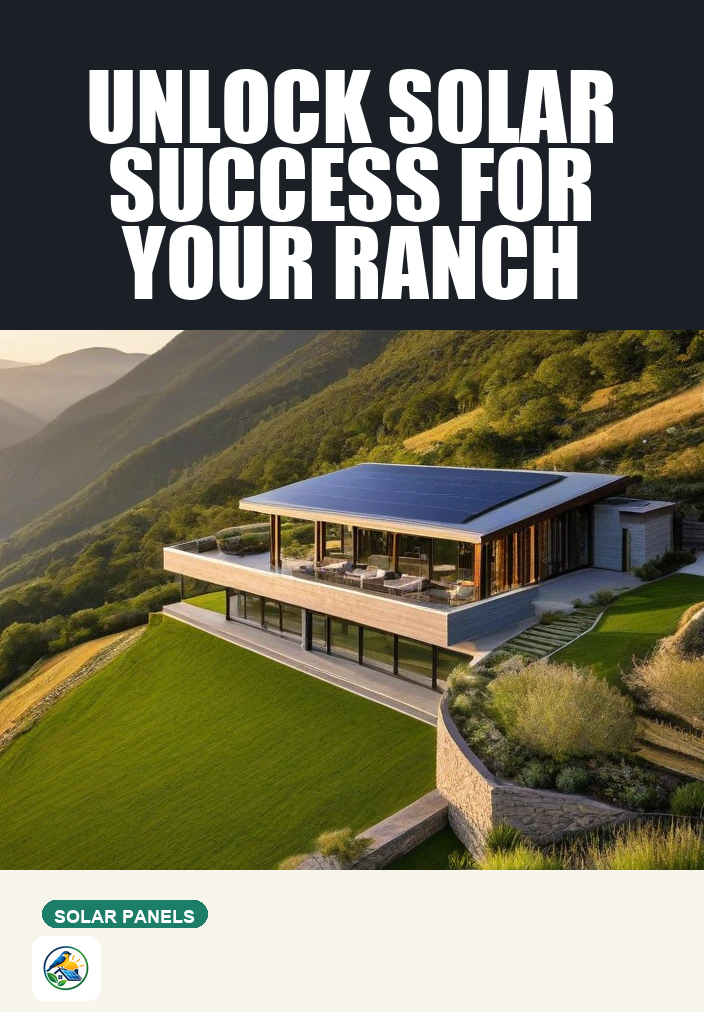
Understanding the Unique Challenges of Solar Panel Installation for Ranch Houses
Solar panel installation can be an appealing option for homeowners looking to harness renewable energy and potentially reduce their utility bills. However, for ranch-style houses, which often feature distinct architectural and environmental characteristics, installing solar panels can present specific challenges. Understanding these challenges—and how to overcome them—can help you make an informed decision about whether solar is the right fit for your home.
Identifying Roof Suitability for Solar Panels
The first step in considering solar panels for your ranch house is to assess the suitability of your roof. Here are some key factors to evaluate:
- Roof Condition: Before installation, ensure your roof is in good shape. If your roof requires repairs or replacement, it’s advisable to address these issues before installing solar panels. This can prevent costly removals and re-installations later on.
- Orientation and Pitch: Ideal solar panel performance is usually achieved on south-facing roofs with a pitch between 15 and 40 degrees. If your ranch house has a different orientation or pitch, you may need to consider alternative mounting options.
- Available Space: Ranch houses often have lower roofs, which may limit the number of panels you can install. Calculate your energy needs to determine how much roof space you will require for adequate solar energy production.
- Shade Considerations: Trees or nearby buildings can cast shadows on your roof, reducing the efficiency of solar panels. Conduct a shading analysis, considering how the sun’s position changes throughout the year.
Understanding Local Regulations and Permitting
Solar panel installation is subject to local regulations and permitting processes that can vary widely by state and municipality. Here’s what to keep in mind:
- Building Codes: Familiarize yourself with local building codes and zoning laws. Some areas may have restrictions on solar installations, especially in residential neighborhoods.
- Permitting Process: The permitting process can include structural assessments, electrical inspections, and compliance with safety regulations. Work with a qualified installer who understands the local requirements, as this can simplify the process.
- Homeowners Associations (HOAs): If your ranch house is part of an HOA, review their rules regarding solar installations. Some HOAs may have design guidelines or restrictions that could affect your plans.
Choosing the Right Solar System Type
Not all solar systems are created equal. Depending on your energy needs and preferences, you may consider different options:
- Grid-Tied Systems: Most common for residential homes, these systems allow you to connect to the utility grid. They can provide power during the day and draw from the grid at night, making them ideal for homes without battery storage.
- Battery Backup: Adding a battery to your solar system can offer energy independence and backup during outages. However, this option can increase installation costs and requires additional space.
- Off-Grid Systems: If your ranch is located in a remote area, you might consider an off-grid system. This option requires a larger battery bank and careful sizing to ensure sufficient energy supply year-round.
Evaluating Energy Needs and System Size
Understanding your household’s energy consumption is essential for sizing your solar system appropriately. Here are some steps to help you evaluate your needs:
- Review Past Utility Bills: Analyze your energy usage over the past year to determine your average monthly consumption. This typically includes kilowatt-hours (kWh) used.
- Consider Future Changes: Anticipate any changes in your energy use, such as adding electric vehicles, home expansions, or new appliances that may affect your consumption.
- Consult with Professionals: Engage a professional installer who can help you calculate the necessary system size based on your energy needs and roof characteristics.
Financing Options and Incentives
While solar can be a significant investment, various financing options and incentives may be available to help mitigate costs. Here are some common considerations:
- Cash Purchase: Paying upfront can provide the best overall savings, but it may not be feasible for everyone.
- Loans: Many lenders offer solar loans that allow you to pay for your system over time. Be sure to compare interest rates and terms.
- Leases and Power Purchase Agreements (PPAs): These options allow you to install solar with little to no upfront cost. Keep in mind, however, that you may miss out on some tax credits and incentives.
- Local Incentives: Research state and local incentives that can reduce your overall costs. These may include rebates, grants, and tax credits. Verify current information, as incentives can change over time.
Maintenance and Long-term Considerations
Once your solar system is installed, it will require some level of ongoing maintenance. Here are a few aspects to consider:
- Regular Inspections: Schedule periodic inspections to ensure all components are functioning correctly and to identify any potential issues early.
- Cleaning: Depending on the environment, you may need to clean the panels occasionally to remove dirt, debris, or snow.
- Monitoring Performance: Utilize monitoring tools to track energy production and identify any performance drops that could indicate an issue.
Next Steps for Your Solar Journey
Installing solar panels on your ranch house can be a rewarding decision, but it’s important to approach the process thoughtfully. Here are practical next steps to guide you:
- Conduct an Initial Assessment: Evaluate your roof, energy needs, and local regulations to determine the feasibility of solar for your home.
- Gather Quotes: Contact qualified solar installers for itemized quotes. Comparing multiple quotes can provide insights into different options, installation costs, and financing solutions.
- Verify Incentives: Research current local and federal incentives to ensure you’re aware of any financial benefits available to you.
- Make an Informed Decision: With all the information at hand, weigh the pros and cons, and consider how solar fits into your long-term plans.
By carefully considering these aspects, you can navigate the unique challenges of solar panel installation for your ranch house and make an informed decision about your energy future.


















