
Understanding the Phases of Your Home Solar Installation Journey
Deciding to install solar panels on your home is a significant step towards sustainability and energy independence. However, the journey can be complex, involving various phases that require careful consideration and planning. This article breaks down the phases of a home solar installation journey, helping homeowners like you navigate the process effectively.
Phase 1: Initial Assessment and Research
Before diving into solar installation, it’s crucial to assess your home’s suitability for solar power. This phase involves gathering information and evaluating your energy needs.
Evaluate Your Home’s Solar Potential
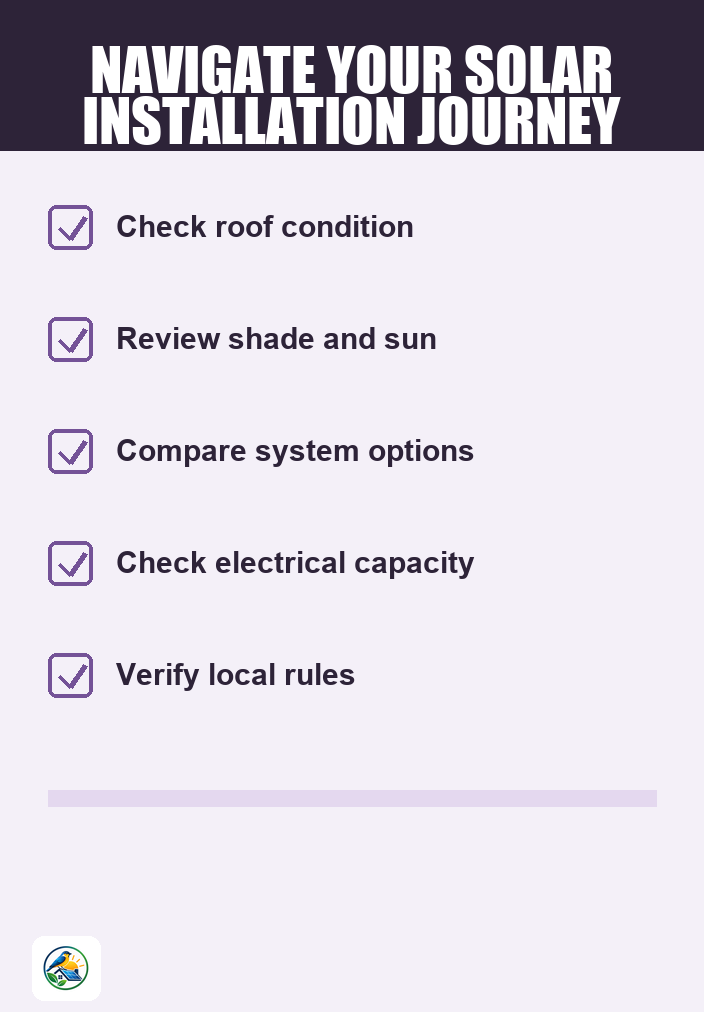
- Roof Condition: Ensure your roof is in good condition and has no significant repairs pending. A roof that needs replacing soon may not be the best candidate for solar panels.
- Shade Analysis: Identify any trees, buildings, or other structures that may cast shadows on your roof. Even partial shading can affect solar energy production.
- Orientation and Pitch: South-facing roofs usually capture the most sunlight. However, east and west-facing roofs can still be effective depending on your local climate and energy needs.
- Energy Consumption: Review your electricity bills to understand your current energy consumption. This will help you determine the size of the solar system you may need.
Phase 2: Gathering Quotes and Comparing Options
Once you’ve assessed your home, the next step is to obtain quotes from qualified solar installers. This phase is crucial for understanding costs and options available to you.
What to Look for in Quotes
- Itemized Costs: Ensure that each quote provides a breakdown of costs, including equipment, installation, permits, and any additional fees.
- System Size and Type: Different systems (grid-tied, battery backup, or off-grid) have different implications. Understand what type is best suited for your needs.
- Warranties and Maintenance: Inquire about warranties on both the panels and the installation. Maintenance requirements should also be discussed.
- Financing Options: Explore financing arrangements, including loans, leases, or power purchase agreements (PPAs), and what they entail.
Comparing multiple quotes will help you identify the best fit for your budget and energy goals. Don’t hesitate to ask installers questions about their proposals, ensuring you fully understand what you’re committing to.
Phase 3: Design and Permitting
Once you select an installer, the next phase involves design and securing the necessary permits.
Designing Your Solar System
Your installer will design a solar system tailored to your home’s specifics. This includes determining the number of panels, their placement, and any necessary electrical upgrades. Considerations may include:
- Panel Type: Different panel technologies (monocrystalline, polycrystalline, thin-film) have various efficiencies and costs.
- Battery Storage: If you’re considering a battery backup, discuss sizing options. Batteries can provide power during outages but come with additional costs and maintenance needs.
Permitting Process
The permitting process varies by location but typically requires submitting plans to local authorities. Your installer will usually handle this, but it’s essential to be aware that:
- Timeline: Permitting can take time, depending on your local regulations and the complexity of your installation.
- Compliance: Ensure the system meets local codes and regulations. This is crucial for safety and future inspections.
Phase 4: Installation
Once permits are approved, installation can begin. This phase can take anywhere from a few days to several weeks, depending on the system’s complexity.
What to Expect During Installation
- Site Preparation: Installers will prepare your roof and potentially perform electrical upgrades to accommodate the new system.
- Panel Installation: Panels are typically mounted on your roof using brackets. The installation team will ensure they’re securely attached and positioned correctly.
- Electrical Connections: The solar system will be connected to your home’s electrical system, including inverters and, if applicable, battery systems.
Phase 5: Inspection and Interconnection
After installation, a final inspection is required to ensure everything is up to code. This phase often involves the following:
- Local Inspection: A local inspector will review the installation to ensure compliance with safety codes.
- Utility Approval: If you’re connecting to the grid, your utility company will need to approve the system for interconnection.
Phase 6: Operation and Maintenance
Once your system is operational, it’s important to understand its maintenance and monitoring needs. Regular maintenance can keep your system running efficiently.
Monitoring Your System
Many modern systems come with monitoring tools that allow you to track energy production. Regularly check these metrics to ensure your system operates as expected.
Maintenance Considerations
- Cleaning: Solar panels may require occasional cleaning, especially in dusty or pollen-heavy environments.
- Inspections: Regular inspections can help identify potential issues before they become significant problems.
Assessing Your Decision
Throughout your solar installation journey, it’s vital to continually assess whether solar is the right fit for your home. Consider the following:
- Long-Term Plans: If you plan to move soon, weigh the benefits of solar against potential disruptions and costs.
- Financial Considerations: Revisit your budget and incentives regularly to ensure the investment still aligns with your goals.
Next Steps
As you move forward, compare itemized quotes from qualified installers to ensure you’re making an informed decision. Verify current local utility rules, installer policies, and government incentives to ensure you have the most accurate information for your area.
Approaching your home solar installation journey with careful planning and consideration can lead to a rewarding outcome, making your home more sustainable and potentially reducing your reliance on traditional energy sources.


















