
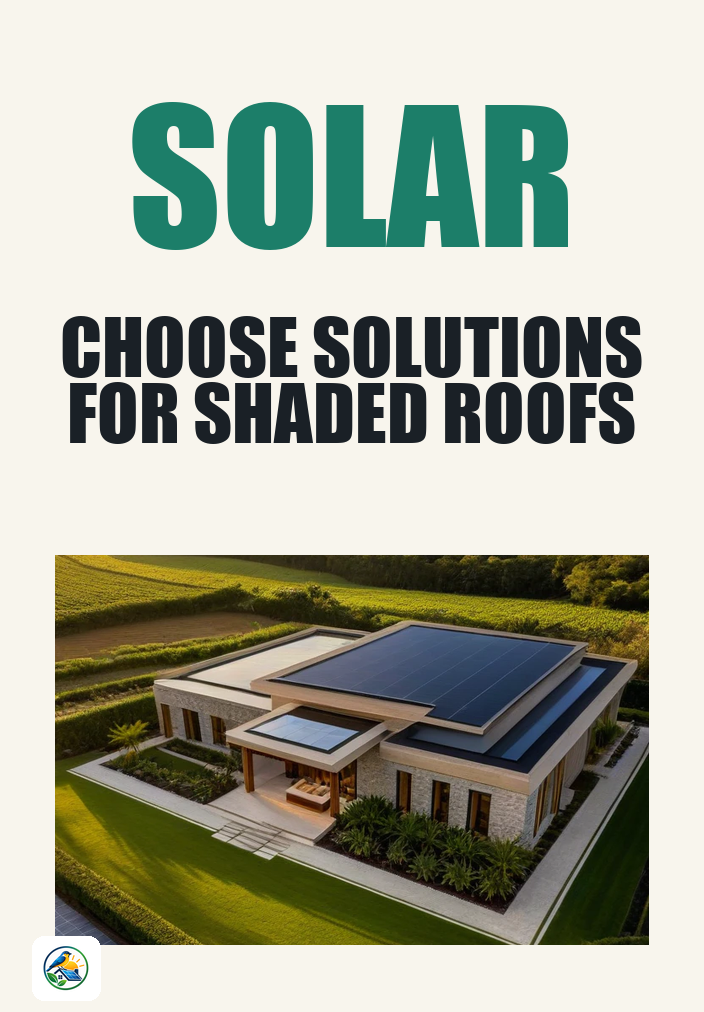
Understanding the Challenges of Shaded Roofs for Solar Installation
Considering solar panels for your home is an exciting venture, but if your roof is shaded, the process can become more complex. Shading can significantly affect the performance of solar panels, which means it’s essential to assess your options carefully. This article provides a homeowner’s checklist for evaluating solar panel solutions in shaded environments, helping you make an informed decision.
Assessing Your Roof’s Sun Exposure
The first step in your journey toward solar energy is to evaluate how much sunlight your roof receives. Here are some factors to consider:
- Shading Sources: Identify what causes shading on your roof. Common culprits include nearby trees, taller buildings, or even chimneys. Observe the sun’s path throughout the day to understand when and where shade occurs.
- Roof Orientation: The direction your roof faces impacts solar production. South-facing roofs typically capture the most sunlight, while east and west-facing roofs may receive less. North-facing roofs usually have the least exposure.
- Roof Pitch: The angle of your roof can affect how much sunlight hits your panels. Ideal pitches allow for better sun exposure, particularly in winter months.
Exploring Solar Panel Options for Shaded Roofs
There are several solar panel options available that are designed to optimize energy capture, even on shaded roofs. Understanding these can help you choose the right system:
- High-Efficiency Panels: Consider investing in high-efficiency solar panels. These panels are designed to convert more sunlight into electricity, making them more effective in partially shaded conditions.
- Microinverters: Unlike traditional string inverters, microinverters are installed on each panel. This allows each panel to operate independently, maximizing energy production even if some are shaded.
- DC Optimizers: These devices work similarly to microinverters but are used alongside a central inverter. They help to mitigate the impact of shading by optimizing the output of each panel.
Understanding the Trade-offs
While there are options to enhance solar performance on shaded roofs, it’s essential to weigh the trade-offs:
- Cost: High-efficiency panels and microinverters typically come with a higher price tag. Assess whether the potential increase in energy production justifies the additional cost.
- Complexity of Installation: Systems using microinverters or DC optimizers may require more complex installation. Ensure your installer is experienced with these technologies.
- Maintenance Considerations: More components can mean more potential maintenance. Understand the warranty and service options available for the equipment you choose.
Evaluating Battery Backup Options
If you’re considering adding a home battery to your solar system, it’s crucial to think about how shading will impact both your solar production and battery efficiency:
- Battery Sizing: Assess the size of the battery you might need based on your energy consumption. If your solar panels produce less energy due to shading, you may require a larger battery to store enough power for your needs.
- Charging Efficiency: A shaded solar system may take longer to charge a battery. This could affect your energy independence, especially during peak usage times.
Permitting and Utility Considerations
Before you move forward, it’s essential to understand the permitting process and utility policies in your area:
- Local Permitting: Ensure you understand the local regulations regarding solar installation, particularly for shaded roofs. Some areas may have specific rules about panel placement and system performance.
- Net Metering Policies: Investigate your utility’s net metering policies. If your system produces less energy than expected due to shading, this could impact your financial return on investment.
When to Seek Professional Guidance
Solar installations can be complex, especially with shading issues. Consulting with a qualified solar installer is crucial for a tailored assessment of your property:
- Site Assessment: A professional can conduct a thorough site assessment, utilizing tools such as shading analysis software to evaluate your roof’s solar potential accurately.
- Quote Comparison: Obtain detailed quotes from multiple installers. Ensure these quotes include itemized costs for equipment, installation, and any necessary upgrades to your electrical system.
- Incentives and Financing: Verify with your installer the available incentives and financing options based on your location and unique situation.
Next Steps for Homeowners
As you explore solar options for a shaded roof, keep the following steps in mind:
- Conduct a thorough assessment of your roof’s shading and orientation.
- Research high-efficiency solar panels and consider microinverters or optimizers.
- Understand the implications of adding a battery backup system.
- Familiarize yourself with local permitting and utility policies.
- Seek multiple quotes from qualified solar installers, ensuring you compare itemized details.
By following this checklist, you can make a more informed decision about whether solar energy is a viable option for your shaded roof. Remember to verify all local utility, installer, and incentive information to ensure you are well-prepared for your solar journey.


















