
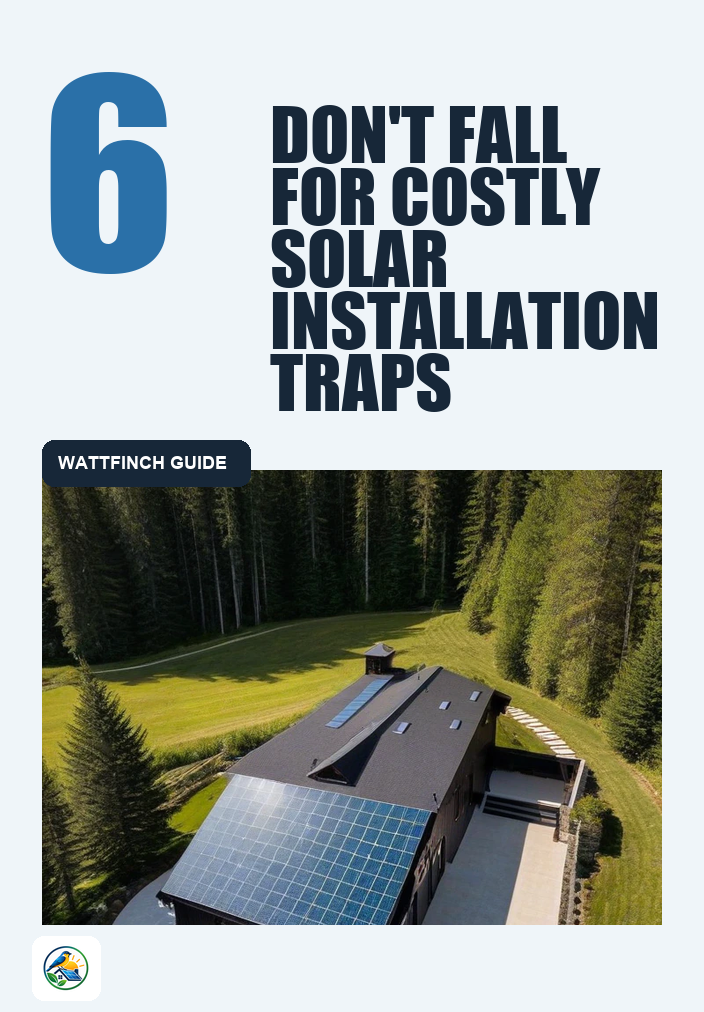
Understanding Solar Installation Red Flags: What to Look Out For
Considering a solar installation for your home can be an exciting venture, but it’s essential to navigate the process carefully. With numerous installers and options available, homeowners must be vigilant to avoid potential pitfalls that could lead to wasted money and frustration. Here are six red flags to watch for during your solar installation journey, so you can make informed decisions and maximize your investment.
1. Lack of Proper Licensing and Insurance
One of the most critical aspects of any home improvement project is ensuring that the contractor is properly licensed and insured. Each state has specific requirements for solar installers, and failing to verify these credentials can lead to significant issues.
- Licensing: Ensure the installer holds the necessary state licenses for solar installation. This often includes electrical contractor licensing.
- Insurance: Request proof of liability insurance and workers’ compensation coverage. This protects you from potential liabilities if an accident occurs during installation.
If an installer cannot provide documentation for these credentials, it’s best to continue your search.
2. Unclear or Non-Transparent Pricing
When comparing solar quotes, transparency in pricing is vital. Be cautious of installers who provide vague estimates or fail to break down costs clearly.
- Itemized Quotes: Request an itemized quote that includes costs for equipment, labor, permits, and any additional fees. This will help you understand what you’re paying for.
- Hidden Fees: Inquire about any potential hidden costs that may arise later in the process, such as charges for system upgrades or maintenance.
Transparent pricing allows you to compare quotes effectively and avoid unexpected surprises later on.
3. High-Pressure Sales Tactics
Be wary of installers who employ aggressive sales tactics or pressure you to sign a contract on the spot. A reputable installer will give you time to evaluate your options and consider your decision carefully.
- Take Your Time: Don’t rush into a decision. A trustworthy installer will encourage you to do your research and will provide ample time for you to make an informed choice.
- Multiple Quotes: Always seek multiple quotes before deciding. This will give you a broader perspective on pricing and services available in your area.
High-pressure tactics often indicate a lack of confidence in the product or service being offered.
4. Inadequate System Design and Sizing
A well-designed solar system should meet your energy needs without excess or waste. Be cautious if an installer does not take the time to evaluate your home’s specific energy requirements.
- Energy Assessment: A professional installer should conduct a thorough energy assessment of your home, considering factors such as roof size, orientation, shading, and your energy consumption patterns.
- Customized Solutions: Avoid installers who offer a one-size-fits-all solution. Your solar system should be tailored to your home’s unique characteristics and your energy goals.
A poorly sized system can lead to underperformance or increased costs, undermining your investment.
5. Lack of Warranty and Maintenance Options
Solar panels and related equipment should come with warranties to protect your investment. Be cautious if an installer does not provide clear information about warranties or maintenance services.
- Panel and Inverter Warranties: Check the warranty terms for the solar panels and inverters. Most reputable products come with warranties ranging from 10 to 25 years.
- Maintenance Services: Inquire about maintenance options and whether the installer offers any post-installation support or monitoring services.
Warranties and maintenance options are crucial for ensuring your system runs efficiently over time.
6. Poor Reviews and Reputation
Before settling on a solar installer, take the time to research their reputation. Online reviews and testimonials can provide valuable insights into the experiences of past customers.
- Check Reviews: Look for reviews on multiple platforms to get a comprehensive view of the installer’s performance and customer service.
- Ask for References: Don’t hesitate to ask the installer for references from previous clients. Speaking directly to other customers can help you gauge their satisfaction and the quality of the installation.
A strong track record and positive reviews are indicators of a reliable and trustworthy installer.
Next Steps: Making Your Solar Installation Decision
As you consider solar installation for your home, take the time to thoroughly vet potential installers. Look for those who provide clear, itemized quotes, have the necessary licenses and insurance, and demonstrate a commitment to customer service.
Comparing itemized quotes from qualified installers will help you make a well-informed decision. Ensure you understand the specifics of each proposal and don’t hesitate to ask questions about any aspect of the installation process.
By being vigilant and aware of these red flags, you can avoid costly mistakes and find a solar solution that truly fits your home and energy needs.


















