
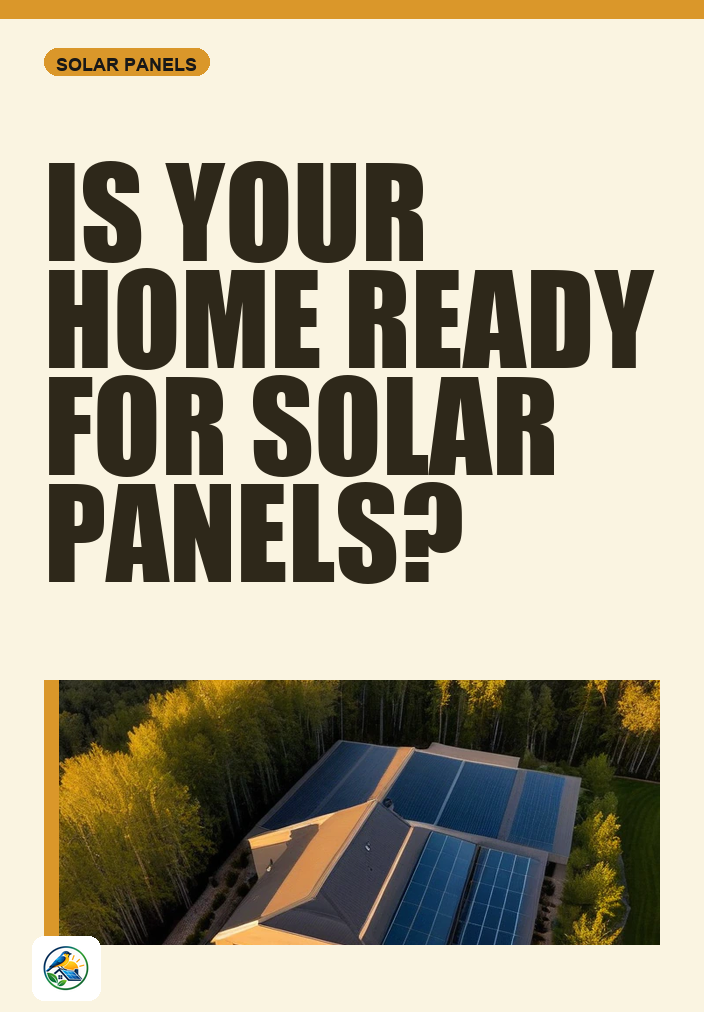
Understanding Your Two-Story Home’s Solar Potential
Choosing the right solar setup for your two-story home involves several considerations that differ from single-story homes. The unique layout, roof space, and energy needs of a two-story home can significantly affect the type of solar system that will work best for you. This guide will help you navigate through various options and trade-offs while ensuring you take into account the specific characteristics of your home.
Evaluate Your Energy Needs
The first step in choosing the right solar setup is to assess your energy consumption. Review your electricity bills from the past year to get a sense of how much energy you consume monthly. Look for trends based on seasons; for instance, cooling costs can spike during summer months in warmer climates.
Consider the following:
- Appliance Use: Identify which appliances use the most energy. For example, central air conditioning and electric water heaters can consume a significant amount of power.
- Future Plans: Are you planning to expand your family, add more appliances, or change your energy usage habits? Make sure to account for these changes in your calculations.
Understanding Different Solar Systems
There are primarily three types of solar setups available for residential use: grid-tied systems, battery backup systems, and off-grid systems. Understanding the differences can help you make an informed decision.
Grid-Tied Solar Systems
Grid-tied systems are the most common type for residential use. These systems connect directly to the local utility grid, allowing you to draw energy from it when your solar panels aren’t producing enough power (e.g., at night or during cloudy weather). Key advantages include:
- Lower installation costs compared to off-grid systems.
- Access to net metering, which allows you to sell excess energy back to the grid.
However, grid-tied systems do not provide power during an outage unless you have a battery backup system installed.
Battery Backup Systems
Battery backup systems complement grid-tied setups by storing excess energy generated during the day for use at night or during outages. This setup is particularly beneficial for homeowners in areas prone to power outages. Consider the following:
- Batteries can add to the initial cost of installation.
- Battery capacity should match your energy needs; larger homes may require more robust systems.
Off-Grid Systems
Off-grid systems are entirely independent of the utility grid. They involve a significant investment in solar panels, batteries, and possibly backup generators.
- Ideal for remote areas where connecting to the grid is expensive or impractical.
- Requires careful planning to ensure energy production meets demand year-round.
However, off-grid systems typically have higher upfront costs and maintenance requirements.
Assessing Your Roof’s Suitability
The condition and orientation of your roof are critical factors in determining the viability of a solar installation. Here are some key considerations:
- Roof Condition: Ensure your roof is in good condition. If it needs repairs or replacement, it may be wise to address these issues before installing solar panels.
- Orientation: South-facing roofs typically receive the most sunlight, but east- and west-facing roofs can also be effective depending on your location and shading.
- Shade Analysis: Evaluate any potential shading from trees, buildings, or other obstructions. Shade can significantly reduce solar panel efficiency.
Choosing the Right Solar Equipment
Once you’ve assessed your energy needs and roof condition, the next step is selecting the right solar panels and inverters. Here are a few aspects to consider:
- Panel Efficiency: Higher-efficiency panels produce more energy in a smaller space, which can be crucial for homes with limited roof area.
- Inverter Type: String inverters are standard for most homes, but microinverters or power optimizers may be better for shaded roofs.
Consult with a qualified installer to determine the best equipment based on your specific situation.
Permitting and Utility Considerations
Before proceeding with a solar installation, you’ll need to navigate local permitting and utility regulations. This process can vary significantly by location.
- Permitting: Most municipalities require permits for solar installations. Check with your local government for specific requirements.
- Utility Policies: Understand your utility’s policies on net metering, interconnection, and feed-in tariffs. These can impact your system’s performance and potential returns.
Comparing Quotes from Professional Installers
Once you have a clear understanding of your needs and options, obtaining quotes from several qualified solar installers is essential. Here’s how to approach this step:
- Get Multiple Quotes: Contact at least three reputable installers to compare quotes. Ensure each quote includes a detailed breakdown of costs, equipment, installation, and warranties.
- Ask Questions: Inquire about their experience, customer reviews, and whether they offer maintenance services.
- Check Credentials: Ensure that the installers are licensed, insured, and have the necessary certifications.
Next Steps
Choosing the right solar setup for your two-story home involves careful consideration of your energy needs, roof condition, and local regulations. By evaluating your options and obtaining detailed quotes from qualified installers, you can make a well-informed decision that fits your unique situation.
Remember to verify any current incentives or rebates with local authorities before proceeding. Solar energy can be a viable option for many homeowners, but it’s essential to understand your specific circumstances before making the investment.


















