
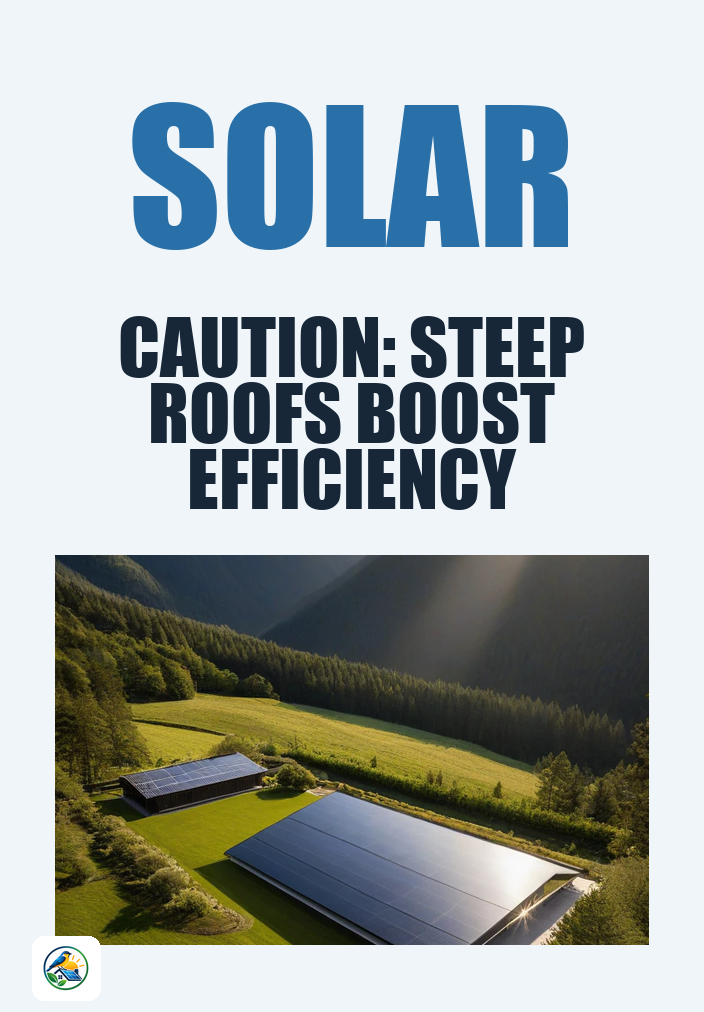
Why Steep Roofs Might Be Your Best Option for Solar Panels
For homeowners considering the installation of a residential rooftop solar system, one factor that can significantly impact the performance and efficiency of solar panels is the pitch of the roof. While many factors come into play when deciding whether to go solar—such as roof condition, shading, orientation, and local regulations—the steepness of your roof can provide unique advantages that make it a compelling option for solar panel installation.
Understanding Roof Pitch and Its Importance
The pitch of a roof refers to its angle or slope, typically expressed as a ratio of vertical rise to horizontal run. A steep roof is generally considered to have a pitch greater than 6/12, meaning it rises more than 6 inches for every 12 inches of horizontal distance. Here are a few reasons why a steep roof may be advantageous for solar panel installation:
- Maximized Sun Exposure: Steep roofs can capture more sunlight throughout the day, particularly if they are oriented toward the south, which is the optimal direction for solar energy collection in most of the U.S. This angle helps panels receive direct sunlight for longer periods.
- Less Roof Area Needed: Panels installed on a steep roof can achieve the same energy output as those on a flatter roof with less surface area, which could be beneficial if your roof space is limited.
- Improved Drainage: Steep roofs typically have better water drainage, minimizing the risk of water pooling around the solar panel mounts, which can lead to damage over time.
Key Considerations for Homeowners
While steep roofs have distinct advantages, there are several factors homeowners should consider before moving forward with a solar installation.
1. Roof Condition
A steep roof can be great for solar, but it’s essential to assess its condition first. If your roof is aging or requires repairs, it’s wise to address these issues before installing solar panels. Replacing a roof can be costly, and it may be more efficient to wait until your roof is in good shape.
2. Shading and Orientation
Evaluate potential shading from trees, nearby buildings, or other structures. Even a steep roof may not be effective for solar energy production if it is heavily shaded. A professional installer can help you assess how much sunlight your roof receives throughout the day and how the roof’s orientation impacts solar performance.
3. Structural Integrity
Steep roofs may require additional engineering to ensure that they can support the weight of solar panels and mounting systems. An inspection by a roofing or solar professional can determine if your roof can handle the installation without compromising its structural integrity.
Types of Solar Systems for Steep Roofs
When it comes to choosing a solar system for your steep roof, homeowners have several options, each with its trade-offs:
- Grid-Tied Solar Systems: These are the most common type of solar installation. They connect to the local power grid, allowing homeowners to draw power from the grid when their solar panels are not producing enough energy. This option usually requires less upfront investment compared to battery systems.
- Solar Systems with Battery Backup: If you live in an area prone to outages or want to store excess energy for later use, consider a solar setup with battery storage. This additional component can increase the upfront cost but provides more energy independence.
- Off-Grid Systems: These systems are designed for homeowners who want to be completely independent of the grid. While they require significant investment and careful planning, they can be a good fit for properties in remote areas.
Evaluating Costs and Incentives
The financial aspects of installing solar panels on a steep roof can vary significantly based on several factors, including local installation costs, available incentives, and your energy needs. It’s crucial to understand that these variables can differ widely depending on your location and circumstances.
Homeowners should consider the following:
- Itemized Quotes: Obtain itemized quotes from qualified solar installers. This will allow you to compare costs, equipment options, and installation procedures. Look for detailed breakdowns of materials, labor, and any additional fees.
- Local Incentives: Research any state or local incentives that may be available to you. These can include tax credits, rebates, or net metering agreements, which allow you to receive compensation for excess energy your system generates.
- Financing Options: Explore financing options that can help spread the upfront costs over time. Some installers offer payment plans or lease agreements that might be suitable for your budget.
The Role of a Professional Installer
When considering solar panels for a steep roof, consulting with a professional installer is essential. They can provide insights into the best system configuration for your specific roof type, assess your home’s energy needs, and help navigate local permitting and utility interconnection requirements.
During the consultation, you should ask about:
- Roof assessment and potential upgrades
- System design tailored to your roof pitch
- Warranties and maintenance plans
- Timeline for installation
Next Steps for Homeowners
If you’re considering solar panels for your steep roof, start by evaluating your roof’s condition and energy needs. Look for qualified installers in your area and obtain itemized quotes to compare different options. Make sure to verify any local incentives or financing options available to you.
Ultimately, while steep roofs present unique advantages for solar panel installation, it’s essential to conduct thorough research and consult with professionals to ensure that your choice aligns with your home’s specific circumstances and energy goals.


















