
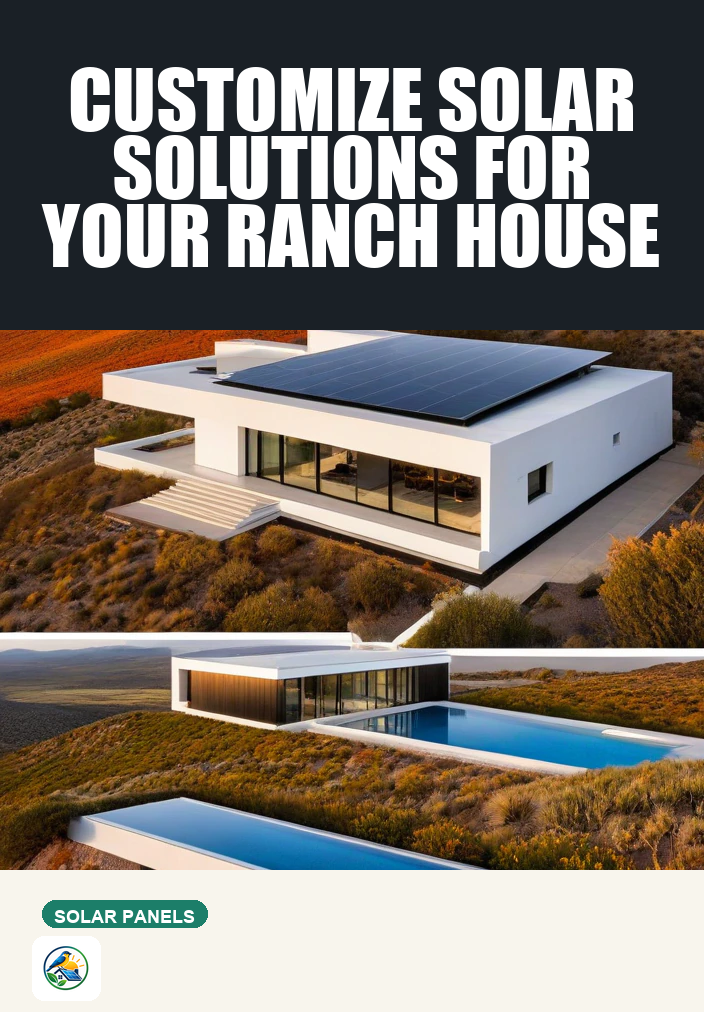
Understanding Solar Panel Options for Your Ranch House
As a ranch house owner, considering solar panels can be a practical move towards energy independence and sustainability. However, selecting the right solar panel system tailored to your home requires careful consideration of various factors. This article will explore the available options, the unique characteristics of ranch houses, and the trade-offs involved in setting up a solar energy system.
Types of Solar Panel Systems
When exploring solar panel options, it’s essential to understand the different types of systems available:
- Grid-Tied Systems: These are the most common systems for residential use. They connect directly to the utility grid, allowing homeowners to draw power when needed and send excess energy back to the grid. This option often utilizes net metering, which can offset energy costs.
- Battery Backup Systems: These systems combine solar panels with batteries to store energy for use during outages or at night. This can be particularly useful for ranch houses that may experience power interruptions.
- Off-Grid Systems: Ideal for remote locations, off-grid systems provide complete energy independence. They typically rely on a combination of solar panels and batteries, but require careful energy management and may necessitate a larger investment.
- Hybrid Systems: These systems combine elements of grid-tied and battery backup systems. They can draw from both the grid and battery storage, providing flexibility for homeowners.
Considerations for Ranch House Owners
Ranch houses have distinct characteristics that can influence solar panel installation. Here are some key factors to consider:
Roof Orientation and Condition
The orientation and condition of your roof are crucial in determining the effectiveness of your solar panel system. Ideally, solar panels should face south or west to maximize sunlight exposure. Take note of:
- Roof Age: Ensure your roof is in good condition and has a lifespan that matches the expected life of the solar panels.
- Shade: Assess any trees or structures that may cast shadows on your roof, reducing solar production.
- Space: Ranch houses often have expansive roofs, which can accommodate larger solar arrays, but consider any obstructions that may limit panel placement.
Energy Needs and Consumption Patterns
Understanding your energy needs is vital. Consider the following:
- Current Usage: Analyze your energy bills to determine monthly usage patterns.
- Future Plans: Consider any upcoming changes, such as home expansions or the addition of electric vehicles, that could alter your energy consumption.
- Peak Usage Times: Identifying when you use the most energy can help in sizing your solar system and deciding on battery storage needs.
Cost Considerations and Financing Options
While the upfront costs of installing solar panels can be significant, various financing options are available:
- Cash Purchase: Paying upfront can save you money in the long run, as you avoid financing costs.
- Solar Loans: Many lenders offer loans specifically for solar installations, allowing you to spread the cost over time.
- Leases and Power Purchase Agreements (PPAs): These options allow you to use solar energy without the upfront costs, but may lead to higher long-term expenses.
Regardless of the financing method, it’s crucial to assess how it fits into your overall budgeting strategy. Consulting with a financial advisor can be beneficial.
Permitting and Utility Regulations
Each state and local jurisdiction has its own regulations concerning solar installations. Here are some areas to investigate:
- Permitting Requirements: Understand the permits required for solar installations in your area.
- Interconnection Rules: Know the rules for connecting your solar system to the grid, including any potential costs or requirements.
- Incentives: Research local and state incentives, which can vary widely. These may include tax credits, rebates, or grants that can reduce your costs.
Maintenance and Longevity
Solar panels are generally low maintenance, but some considerations include:
- Cleaning: Dust and debris can affect panel efficiency, especially in rural areas. Regular cleaning may be necessary.
- Inspections: Periodic inspections can help identify any issues and ensure the system is functioning optimally.
- Warranty: Check the warranty terms for both the panels and the inverter, as these can vary by manufacturer.
Next Steps: Getting Professional Quotes
To determine which solar panel system is best for your ranch house, obtaining quotes from qualified installers is essential. An itemized quote will allow you to compare costs, system options, and warranties, helping you make an informed decision. Be sure to discuss:
- Your energy needs and consumption patterns.
- Your roof condition, orientation, and any shading issues.
- Your budget and financing preferences.
Remember, the details of solar installations can vary significantly based on local regulations, utility policies, and incentive programs, so thorough research and consultation with local experts are crucial. By taking these steps, you’ll be on your way to making an informed decision that aligns with your ranch house’s unique characteristics.


















