
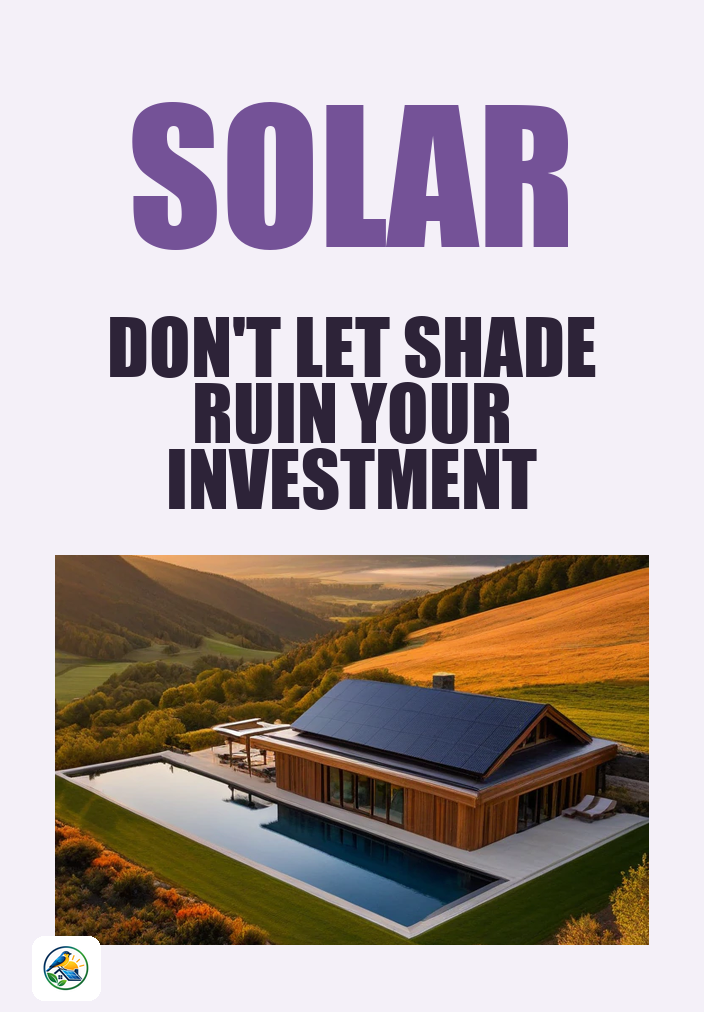
Understanding Shade Impact on Solar Panel Performance
When considering a solar panel installation for your home, the placement of the panels is critical, particularly in relation to shade. Shade from trees, buildings, or other structures can significantly affect the efficiency and energy production of a solar system. This article provides a comprehensive checklist to guide homeowners through the essential considerations for optimal solar panel placement amid shade concerns.
Identifying Shade Sources
The first step in determining optimal solar panel placement is identifying potential sources of shade. This can include:
- Trees: Overhanging branches can cast shadows on solar panels throughout the day.
- Nearby buildings: Homes, garages, or commercial structures can obstruct sunlight.
- Chimneys and rooftop equipment: Vent pipes, skylights, and antennas can also create shade.
- Seasonal changes: Consider how the angle of the sun changes with the seasons, affecting shade availability.
Conducting a Shade Analysis
Once you’ve identified possible shade sources, conducting a shade analysis is essential. This can be done using a few methods:
- Solar pathfinder or shading analysis tools: These devices can help visualize how shade will impact your roof throughout the day and year.
- Consulting with a professional installer: Experienced solar installers often have tools and knowledge to perform a detailed shade analysis, providing insights into how much sunlight your panels can expect to receive.
- Observational analysis: Spend time outdoors at different times of the day to note how shadows move and impact your roof.
Evaluating Roof Orientation and Tilt
The orientation and tilt of your roof play a significant role in how much sunlight your solar panels will receive. Here are a few key considerations:
- Ideal orientation: South-facing roofs generally receive the most sunlight in the Northern Hemisphere. If your roof faces east or west, you may still achieve good performance, but shading concerns will be more pronounced.
- Roof pitch: The angle of your roof can impact solar efficiency. A steeper angle may help with snow or debris sliding off, but it may also lead to increased shading risks from nearby trees or structures.
- Flat roofs: If you have a flat roof, consider adjustable mounting systems to optimize the angle of your panels for maximum sun exposure.
Strategies for Mitigating Shade Effects
Once shade sources and roof configurations have been assessed, homeowners can take several steps to mitigate shade effects on solar panel performance:
- Tree trimming: Regularly maintain nearby trees to minimize shade. Consult an arborist if necessary to ensure healthy tree management.
- Panel placement: Work with your installer to position panels in the sunniest areas of your roof, avoiding shaded zones.
- Use of microinverters or power optimizers: These technologies help optimize energy production from each panel individually, reducing the impact of shading on overall system performance.
- Ground-mounted systems: If roof shading is substantial, consider installing solar panels on the ground, where they can be placed in a fully sunny area.
Understanding Local Shade Regulations and Permitting
Local regulations may affect your solar installation, especially concerning shade and neighboring properties. It’s important to:
- Check zoning laws: Understand any restrictions related to solar panel placement, particularly if your proposed installation could affect neighboring properties.
- Consult local solar incentives: Some areas offer incentives for solar installations that maximize energy production, which may include considerations for shade mitigation.
- Discuss with your installer: A qualified installer will be familiar with local regulations and can guide you through the permitting process.
Evaluating the Need for Battery Backup Systems
If shade is a significant concern, you may also want to consider battery backup systems. These systems store excess energy produced during sunny periods, allowing you to use it when production drops, such as during cloudy weather or in the evening. Here are some points to consider:
- Battery capacity: Determine how much energy you typically use and how much you would need to store to offset shading impacts.
- Cost vs. benefit: Evaluate whether the costs associated with battery systems justify the potential energy savings, especially considering the shading concerns.
Comparing Quotes from Qualified Installers
After assessing shade impacts and potential solutions, it’s time to compare quotes from qualified solar installers. Here’s a checklist to help you through the process:
- Detailed proposals: Ensure each installer provides a detailed proposal that includes equipment specifications, installation costs, and projected energy output.
- Shade analysis results: Ask for information on how the installers plan to address shade concerns in their designs.
- Warranties and maintenance: Review warranty offerings and any recommended maintenance plans to keep your system operating efficiently.
- Financing options: Explore various financing options, including loans, leases, and power purchase agreements (PPAs).
Next Steps
Taking the time to thoroughly assess shade concerns and their impact on solar panel placement can lead to a more efficient system. By following the checklist provided, you are better prepared to make informed decisions. Be sure to compare itemized quotes from qualified solar installers to find the best fit for your home and needs. Remember, current incentives and regulations can change, so always verify details with local installers and authorities.


















