
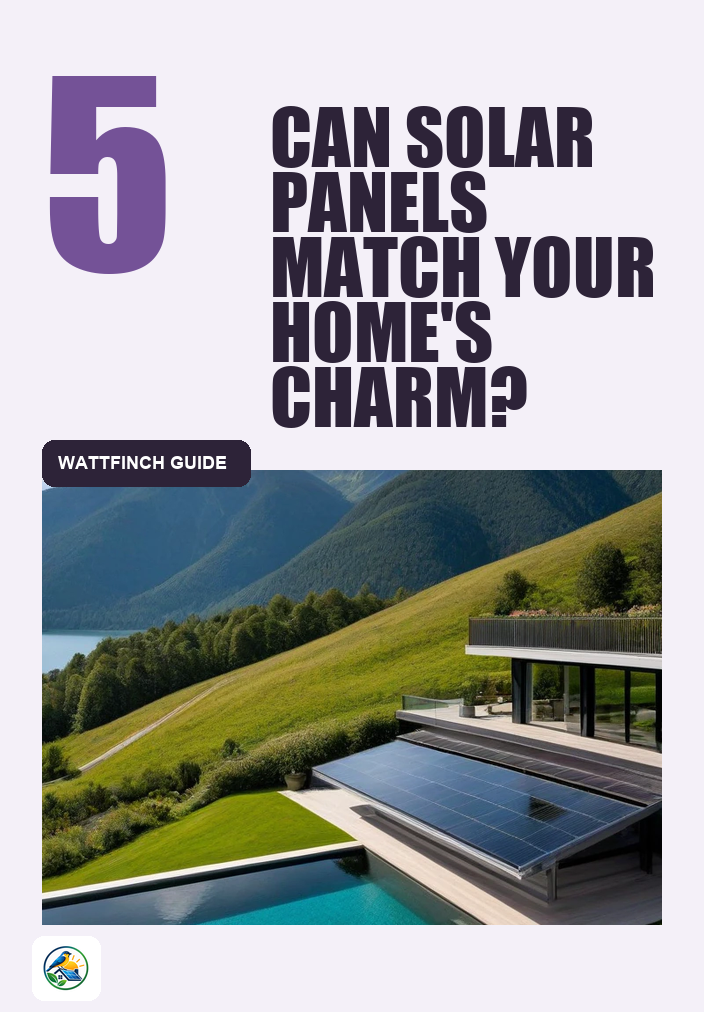
Understanding the Balance: Energy Efficiency and Aesthetic Preservation in Older Homes
As a homeowner with an older residence, you may find yourself at the crossroads of energy efficiency and aesthetic preservation when considering solar panels. While the potential benefits of renewable energy are enticing, the unique character and historical aspects of your home may pose challenges. This article explores the implications of installing solar panels on older homes, the options available, and what to consider before making a decision.
Why Consider Solar Panels for Older Homes?
Older homes often come with a wealth of character and charm. However, they may also have outdated energy systems that contribute to higher utility bills. Solar panels can improve energy efficiency, potentially reducing reliance on grid electricity. Yet, the decision to install solar should also consider how it impacts your home’s aesthetic.
The Benefits of Solar Energy
- Reduced Energy Costs: While savings are not guaranteed, solar panels can lower your electricity bills by generating your own power.
- Environmental Impact: Using renewable energy reduces your carbon footprint, making a positive contribution to the environment.
- Energy Independence: Solar provides a degree of independence from utility rate fluctuations.
Aesthetic Considerations
Older homes often have distinct architectural features that define their character. Solar panels can sometimes clash with these aesthetics, particularly on historic homes where the appearance is closely tied to the home’s value and neighborhood character. Therefore, it’s essential to evaluate whether a solar installation aligns with your home’s style.
Options for Installing Solar Panels on Older Homes
When considering solar panels for an older home, there are several options and factors to weigh. Each choice comes with its own set of trade-offs.
Types of Solar Installations
- Grid-Tied Systems: These systems connect directly to the utility grid, allowing you to draw power when solar production is low. If you have a reliable roof structure and no major shading issues, this may be the easiest path.
- Battery Backup Systems: Incorporating a battery allows you to store excess energy for use in the evening or during outages. However, this option may require additional upfront investment and space considerations.
- Off-Grid Systems: If your home is in a remote location or you want complete energy independence, off-grid systems can be an option. However, they require careful planning for energy needs and may need larger installations.
Assessing Roof Condition and Orientation
The condition of your roof is paramount. Older roofs may require upgrades or replacements before solar installation. Additionally, the orientation and angle of your roof can affect energy production. Ideally, south-facing roofs with minimal shade provide the best conditions for solar panels.
Preserving Aesthetics: Strategies for Older Homes
There are several strategies for integrating solar panels into older homes without compromising their aesthetic appeal:
1. Choose Low-Profile Panels
Opt for low-profile solar panels that blend more seamlessly with your roofline. These panels are less obtrusive and can help maintain the visual integrity of your home.
2. Utilize Ground-Mounted Systems
If roof installation is unsuitable, consider ground-mounted solar panels. These systems can be placed in less visible areas of your yard, offering an alternative that does not impact the roof’s appearance.
3. Consult with Preservation Experts
Before proceeding, consult local preservation boards or historical societies. They can provide guidelines on how to install solar panels while adhering to preservation standards.
Evaluating Your Options: Key Considerations
When considering solar panels for your older home, several key factors should guide your decision:
- Local Regulations: Check with your local government regarding any restrictions or requirements for solar installations on historic or older homes.
- Utility Policies: Research net metering and interconnection rules in your area, as these can significantly impact the benefits you receive from solar.
- Financial Considerations: Understand the upfront costs and potential financing options. Compare quotes from qualified installers to gain a clear view of your investment.
- Future Plans: Consider how long you plan to stay in your home. If you anticipate moving soon, the investment may not yield the returns you’re hoping for.
Next Steps: Making an Informed Decision
Deciding on solar panels for your older home involves balancing energy efficiency with aesthetic preservation. Take the following steps to make an informed choice:
- Assess your home’s roof condition and orientation.
- Research local regulations and utility policies.
- Consult with preservation experts if your home is historic.
- Compare itemized quotes from qualified solar installers to evaluate your options without jumping into a commitment.
Ultimately, the decision to install solar panels on an older home should reflect your priorities as a homeowner. By carefully considering the options and potential impacts, you can make a choice that aligns with both your energy needs and your home’s character.


















