Understanding Your Financing Options for Solar Installation
When considering a solar installation for your home, one of the most crucial decisions you’ll face is how to finance it. Homeowners typically have two primary options: loans and leases. Each has its own set of advantages and drawbacks, which can significantly impact your financial situation and overall satisfaction with your solar investment. This article will help you navigate these options so you can make an informed choice based on your unique circumstances.
Solar Loans: Ownership and Flexibility
Solar loans allow homeowners to purchase their solar system outright or through financing. When you finance your solar installation with a loan, you own the system and can benefit from various incentives, including tax credits, rebates, and net metering programs. Here are some essential considerations regarding solar loans:
Advantages of Solar Loans
- Ownership: Owning your system means you can take full advantage of available tax incentives and rebates.
- Long-term Savings: Once your loan is paid off, you can enjoy free electricity from your solar system, potentially leading to significant savings over time.
- Increased Home Value: Solar systems can enhance your home’s value, making it more attractive to future buyers.
- Customization: You have the flexibility to choose the best equipment and installation options that suit your needs.
Drawbacks of Solar Loans
- Upfront Costs: Loans often require a down payment, which can be a barrier for some homeowners.
- Debt Obligation: Monthly loan payments can add to your financial burden, especially if your budget is tight.
- Maintenance Responsibility: As the system owner, you are responsible for any maintenance and repairs, which could incur additional costs.
Solar Leases: Lower Initial Costs, No Ownership
Solar leases allow homeowners to rent their solar systems instead of purchasing them. This option generally requires little to no upfront payment, making it accessible for homeowners who may not have the funds to buy a system outright. Here are some considerations regarding solar leases:
Advantages of Solar Leases
- Lower Initial Investment: With little to no upfront cost, a solar lease can be appealing for many homeowners.
- Fixed Payments: Lease agreements often come with fixed monthly payments, making budgeting easier.
- No Maintenance Hassles: The leasing company typically handles maintenance and repairs, relieving you of these responsibilities.
Drawbacks of Solar Leases
- No Ownership Benefits: Since you don’t own the system, you may miss out on tax credits and rebates.
- Long-Term Commitment: Lease agreements can range from 20 to 25 years, tying you to a long-term contract.
- Potential for Higher Overall Costs: Over the life of the lease, you may end up paying more than if you had purchased the system outright.
Making the Decision: Loan vs. Lease
Your choice between a solar loan and a lease will ultimately depend on your financial situation, energy needs, and long-term plans. Here are some key factors to consider when making your decision:
1. Financial Situation
Assess your current financial condition. If you have the means to make a down payment and can manage monthly loan payments, a solar loan may be more suitable. However, if upfront costs are a concern, a lease might be a better option.
2. Long-Term Plans
Consider how long you plan to stay in your home. If you intend to move within a few years, a lease may be advantageous since it requires less commitment. On the other hand, if you plan to stay long-term, owning your system might provide better financial rewards.
3. Risk Tolerance
Think about your comfort level with financial risk. A loan requires you to take on debt, while a lease offers more predictability in monthly payments. Choose the option that aligns with your risk appetite.
4. Understanding Local Incentives
Incentives and rebates vary widely by location and can significantly impact your decision. Research available programs in your area and how they apply to loans versus leases. Some states offer additional incentives for homeowners who purchase their systems, making loans more appealing.
Example Scenarios to Illustrate the Differences
Let’s look at two hypothetical homeowners to illustrate the differences between loans and leases:
Scenario 1: Homeowner A
Homeowner A has a stable income, good credit, and plans to stay in their home for at least the next 15 years. They decide to take out a solar loan to purchase their system outright. After a down payment, their monthly payments are manageable, and they benefit from tax credits. After the loan is paid off, they enjoy free electricity, increasing their long-term savings.
Scenario 2: Homeowner B
Homeowner B is on a tighter budget and is unsure about their long-term plans. They opt for a solar lease, which requires no initial investment. They enjoy lower monthly payments compared to their utility bills and the leasing company handles maintenance. However, they forfeit potential savings from tax credits and will ultimately end up paying more over the lease term.
Next Steps: Getting the Right Quotes
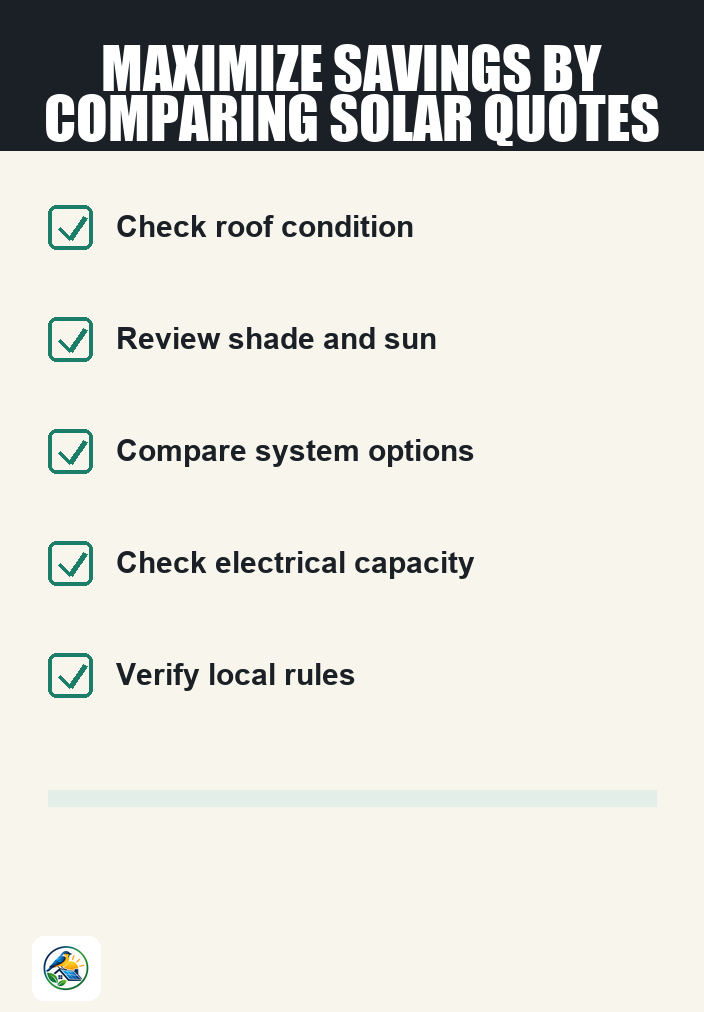
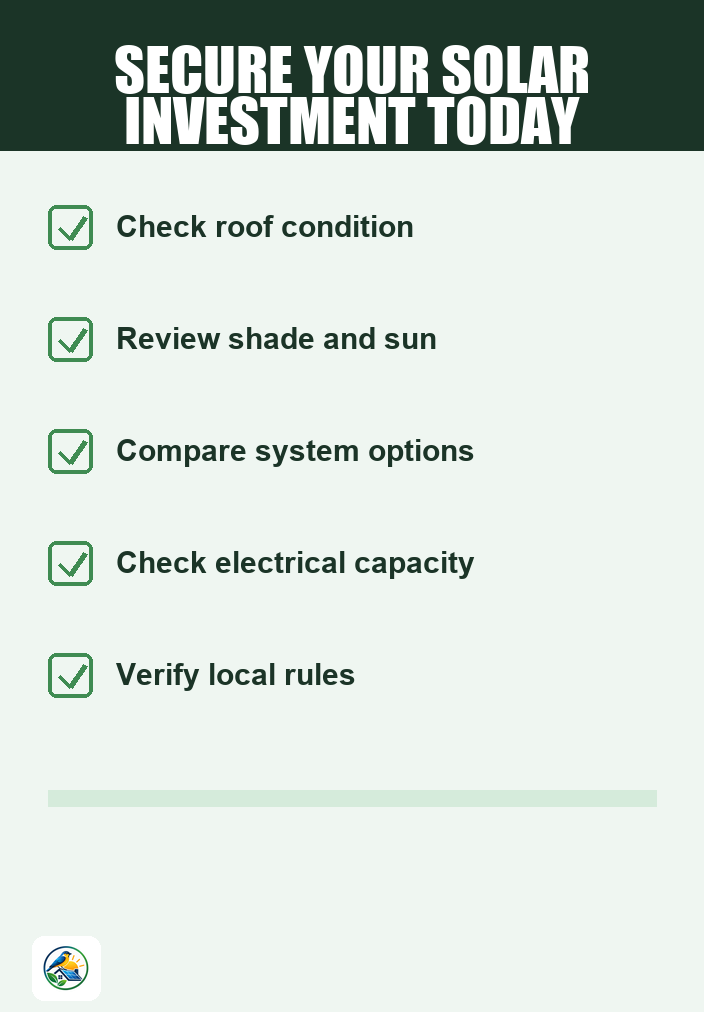
After weighing your options, the next step is to gather quotes from qualified solar installers. Request itemized proposals that clearly outline the costs, financing options, and equipment details. Comparing multiple quotes will provide you with a clearer picture of what’s available and help you make a more informed decision.
Remember, each home and homeowner’s situation is unique. Always verify current local utility, installer, government, and tax information to ensure your financing decision aligns with your goals and circumstances.