
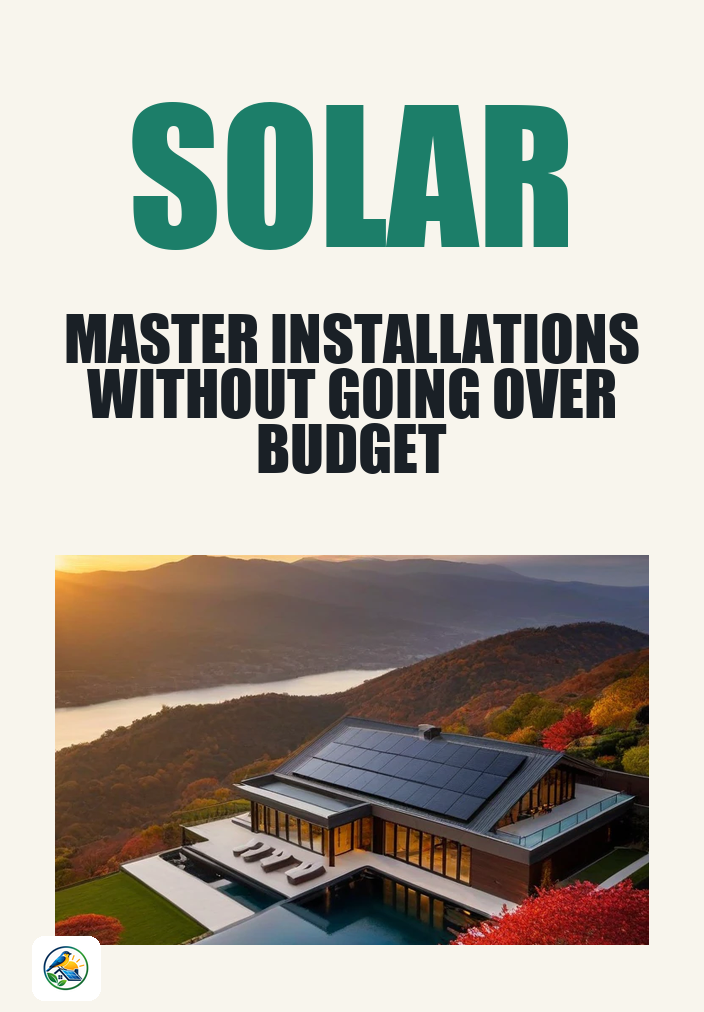
Understanding the Importance of Solar Panel Installation
As more U.S. homeowners consider adopting solar energy for their all-electric homes, the potential benefits are substantial. However, without careful planning and informed decision-making, the process can lead to costly mistakes. This guide outlines key considerations to ensure you avoid common pitfalls during solar panel installation, all while keeping your budget in check.
Evaluating Your Home’s Suitability for Solar
Before diving into solar panel installation, assess whether your home is a good candidate for a solar system. Factors such as roof condition, orientation, and shading can significantly affect solar panel performance.
Roof Condition and Type
- Age: If your roof is nearing the end of its life, it might be wise to replace it before installing solar panels.
- Material: Different roofing materials (asphalt shingles, metal, tile) have varying lifespans and installation requirements, which can affect the cost.
- Structure: Ensure your roof can support the weight of the solar panels and the mounting system.
Orientation and Angle
Solar panels perform best when they face south at an angle between 30 to 45 degrees. If your roof faces east or west, it can still work, but the energy generation may be less efficient. A professional installer can provide guidance on the best setup for your specific roof.
Shading Considerations
Evaluate any potential shading from trees, buildings, or other structures. Conduct a sun path analysis to determine how much sunlight your roof receives throughout the day. Even partial shading can reduce system efficiency significantly.
Understanding Different Solar Systems
There are various types of solar systems to consider, each with its own advantages and drawbacks. Understanding these can help you determine what best fits your needs.
Grid-Tied Solar Systems
This is the most common type of residential solar installation. It connects directly to the utility grid, allowing homeowners to use solar energy while still having access to grid power when needed. Considerations include:
- Net Metering: Check your local utility’s net metering policies, which allow you to sell excess energy back to the grid.
- Utility Rates: Understand how your local energy rates may affect overall savings.
Battery Backup Systems
For homeowners wanting to store excess energy for use during outages or at night, battery backup systems are an option. However, they come with their own costs and considerations:
- Cost: Battery systems can significantly increase your installation expense.
- Lifespan: Consider the lifespan of the batteries and the associated replacement costs.
- Capacity: Evaluate how much energy you need to store based on your usage patterns.
Off-Grid Systems
For those living in remote areas or looking for complete independence from the grid, off-grid systems can be appealing. However, they are often more complex and costly:
- Energy Needs: Accurately calculate your energy needs to size your system appropriately.
- Maintenance: Off-grid systems may require more regular maintenance and monitoring.
Getting Quotes from Professional Installers
Once you’ve assessed your home and chosen the type of solar system, it’s time to gather quotes from professional installers. Here are some tips to ensure you get the best value:
What to Look for in Quotes
- Itemized Pricing: Ensure quotes break down costs for equipment, labor, permits, and any additional services.
- Equipment Quality: Ask about the types of panels and inverters being used, and their warranties.
- Installer Credentials: Verify that installers are licensed, insured, and have good reviews or references.
Comparing Quotes
When comparing quotes, look beyond the bottom line. Consider the long-term value each installer provides in terms of quality and service. It may be worthwhile to invest slightly more for an installer with a strong reputation and better equipment.
Understanding Local Incentives and Regulations
Incentives for solar installations can vary significantly by location, and it’s essential to verify what is available in your area. This may include:
- State Rebates: Some states offer financial incentives that can help reduce upfront costs.
- Federal Tax Credits: Confirm the current federal tax credit available for solar installations, as these can change over time.
- Permitting and Interconnection: Research local permitting requirements and utility interconnection rules, as these can affect installation timelines and costs.
Common Mistakes to Avoid
To ensure a smooth installation process, keep these common mistakes in mind:
- Skipping the Site Assessment: Always have a professional assess your home to identify potential issues.
- Ignoring Future Plans: Consider your future energy needs, such as potential electric vehicle charging or home expansions.
- Not Reading the Fine Print: Carefully review contracts and warranties to avoid unexpected costs or liabilities.
Next Steps for Homeowners
To avoid installation mistakes without overspending, start by evaluating your home’s suitability for solar energy. Gather and compare itemized quotes from qualified installers, ensuring to check their reputation and experience. Finally, stay informed about local incentives and regulations that may impact your decision.
By taking the time to plan carefully and seek professional guidance, you can confidently navigate the solar installation process and make a decision that aligns with your home’s needs and your financial goals.


















