
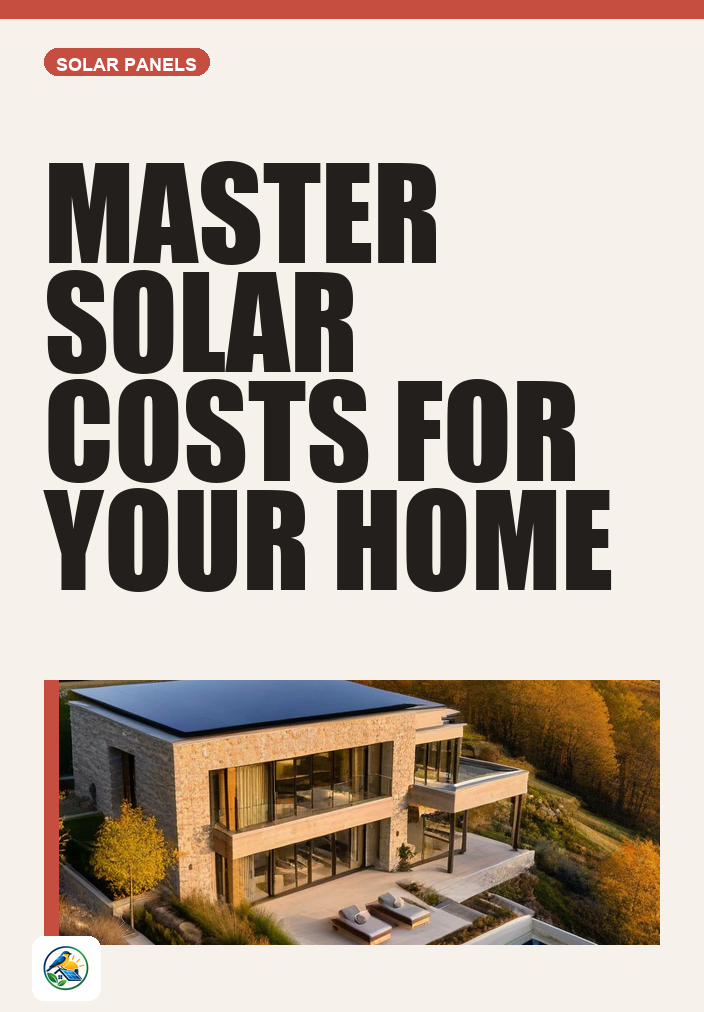
Understanding Cost Factors in Solar Panel System Sizing
Deciding to install a solar panel system on your home is a significant step towards energy independence and sustainability. However, it’s essential to understand the various cost factors that influence the overall size and expense of your solar installation. This checklist will help you navigate the complexities of sizing a solar panel system while considering your specific circumstances.
1. Energy Consumption Analysis
The first step in sizing your solar panel system is to assess your household’s energy consumption. Your average monthly electricity usage will significantly impact the number of solar panels you’ll need.
How to Calculate Your Energy Needs
- Review your electricity bills from the past 12 months to determine your average kilowatt-hour (kWh) usage.
- Consider seasonal variations in energy use—some homes consume more energy in the summer for air conditioning or in the winter for heating.
- Use an online energy calculator or consult with a professional installer to estimate your solar needs based on your consumption patterns.
2. Solar Panel Efficiency
Different solar panels have varying levels of efficiency, which can affect how many panels you’ll need to meet your energy requirements. More efficient panels convert a greater percentage of sunlight into electricity.
Comparing Panel Efficiency
- High-efficiency panels (around 20% or more) may require fewer panels to achieve the same output as lower-efficiency panels (around 15-18%).
- Consider the available roof space; high-efficiency panels may be advantageous for smaller roofs.
3. Roof Characteristics
Your roof’s condition and characteristics play a crucial role in solar panel installation and sizing.
Key Roof Factors to Assess
- Orientation: South-facing roofs generally receive the most sunlight, making them ideal for solar installations.
- Angle: The angle of your roof can affect solar efficiency. Steeper roofs may require specialized mounting equipment.
- Shade: Nearby trees, buildings, or other obstructions can reduce the amount of sunlight your panels receive. Assess shading throughout the year.
- Condition: Ensure your roof is in good condition before installation. If repairs are needed, factor these costs into your overall budget.
4. System Type: Grid-Tied vs. Battery Backup
Choosing between a grid-tied solar system and a battery backup system influences your total costs and performance potential.
Understanding the Differences
- Grid-Tied Systems: These systems are connected to the utility grid and can reduce your electricity bills through net metering. However, they do not provide power during outages unless paired with a generator.
- Battery Backup Systems: These systems store excess energy for later use, providing power even during outages. They tend to have higher upfront costs and may require additional space for battery storage.
5. Permitting and Interconnection Costs
Before installation, you’ll need to navigate local permitting processes and interconnection agreements with your utility. These can vary widely by location and can impact your overall project timeline and costs.
Key Considerations
- Check local zoning laws and building codes to understand what permits are required for solar installation.
- Consult your utility company about interconnection requirements and any associated fees for connecting your system to the grid.
6. Installer Selection and Labor Costs
The choice of installer can significantly influence the cost of your solar panel system. Labor costs can vary based on the complexity of the installation and the experience of the installer.
Finding the Right Installer
- Request quotes from multiple qualified installers to compare labor costs, equipment, and warranties.
- Check for certifications, customer reviews, and previous work portfolios to gauge installer reliability and quality.
7. Equipment Quality and Warranty Considerations
The quality of solar panels, inverters, and other components can affect both the initial investment and the long-term performance of your system.
Evaluating Equipment Options
- Look for panels with robust warranties—typically 25 years—for assurance of long-term performance.
- Consider the efficiency and longevity of inverters, as these can also impact your system’s overall efficiency.
8. Incentives and Financing Options
Federal, state, and local incentives can significantly impact the overall cost of your solar installation. However, these incentives vary by location and can change over time.
Identifying Available Incentives
- Research state and local incentives, including rebates, tax credits, and other financial support.
- Consult with a tax professional to understand how these incentives apply to your financial situation.
9. Maintenance and Operational Costs
While solar panels generally require minimal maintenance, it’s essential to consider ongoing operational costs, including cleaning, inspections, and potential repairs.
Planning for Maintenance
- Factor in potential cleaning costs, especially in dusty or pollen-heavy environments.
- Schedule regular inspections to ensure your system is functioning optimally.
10. Future Energy Needs and Expansion Potential
Consider your household’s potential future energy needs, especially if you plan to add significant energy-consuming appliances or expand your home.
Evaluating Future Needs
- Assess whether your current energy needs may increase and factor this into your system size.
- Discuss expansion options with your installer, including the potential for adding more panels or battery storage in the future.
Next Steps for Homeowners
As you evaluate your options for solar panel installation, compiling detailed quotes from qualified installers is crucial. Itemized quotes will help you understand the breakdown of costs and ensure you’re getting a fair deal. Remember to verify current local utility, installer, government, or tax information relevant to your situation.
By using this comprehensive checklist, you can make informed decisions and feel confident in your journey toward solar energy. The right preparation will help you maximize your investment and ensure your solar panel system meets your needs for years to come.


















