
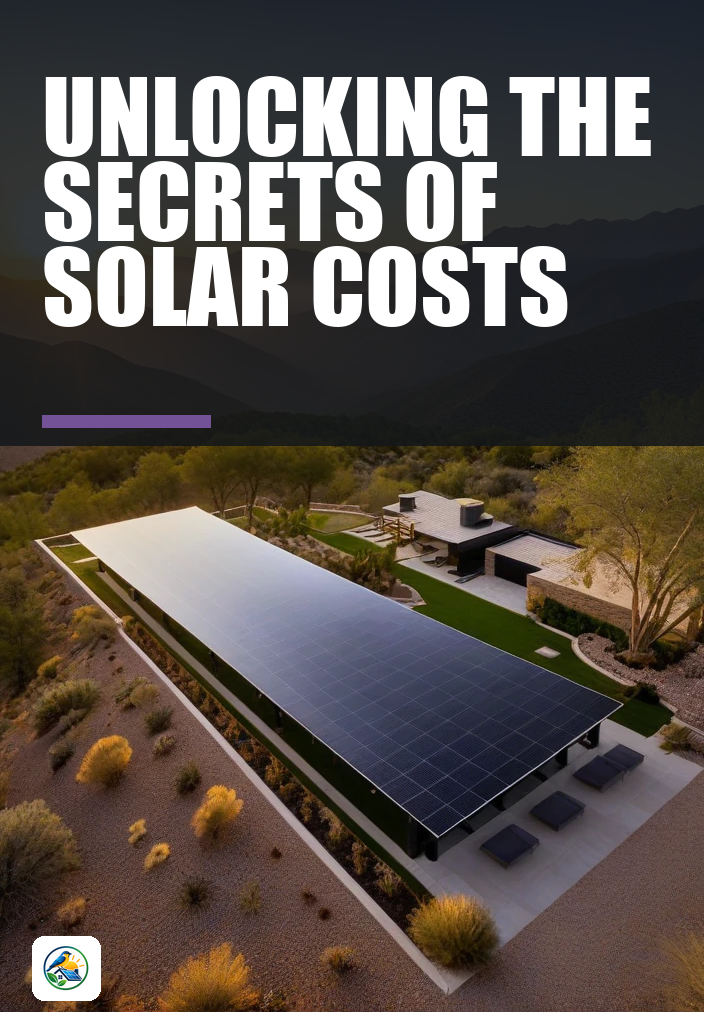
Understanding Cost Factors in Solar Panel System Sizing
If you’re a U.S. homeowner considering the installation of a residential rooftop solar system, understanding the factors that influence the cost of sizing your system is crucial. Solar panel systems can vary widely in price and efficiency based on various elements unique to your home and situation. This article will guide you through the key cost factors that can impact your decision, helping you make informed comparisons between quotes and determine whether solar energy is a suitable option for you.
The Basics of Solar System Sizing
When sizing a solar panel system, the goal is to match your energy needs with the system’s capacity. This capacity is usually measured in kilowatts (kW) and is influenced by several factors, including your home’s energy consumption, the size and orientation of your roof, and local climate conditions.
1. Energy Consumption
Your household’s energy consumption is one of the most significant factors in determining the size of your solar system. Review your past utility bills to understand your average energy usage in kilowatt-hours (kWh). This figure is essential for estimating how much solar capacity you’ll need. A simple formula is:
- Total kW Needed = (Total kWh Usage per Month) / (Average Peak Sunlight Hours per Day × 30 Days)
For example, if you use 900 kWh per month and receive an average of 5 peak sunlight hours per day, you would need roughly 6 kW of solar capacity.
2. Roof Size and Orientation
The physical characteristics of your roof play a crucial role in how many solar panels can be installed. Consider the following:
- Roof Size: Larger roofs can accommodate more panels, increasing your system’s capacity and energy production.
- Orientation: South-facing roofs generally receive the most sunlight, making them ideal for solar panels. East and west orientations can also be effective but may yield slightly less energy.
- Shade: Nearby trees, buildings, or other obstructions can cast shadows on your roof, reducing solar energy production.
Before proceeding, consider having a professional installer evaluate your roof’s size, slope, and shading to determine the optimal panel placement.
3. Local Climate and Weather Patterns
Your local climate significantly impacts how much energy your solar system can produce. Regions with frequent overcast days or heavy snowfall may not generate as much energy as sunnier locations. Research the average solar insolation (sunlight exposure) for your area to get a better understanding of your potential solar output.
Cost Factors to Consider
Once you have a clearer idea of your energy needs and roof characteristics, it’s essential to understand the various cost factors involved in sizing your solar system.
1. Equipment Costs
Solar panel systems consist of solar panels, inverters, mounting systems, and other equipment. The quality and type of these components can vary, impacting overall costs:
- Solar Panels: Higher efficiency panels typically cost more but can produce more energy in limited space.
- Inverters: These devices convert the DC electricity produced by solar panels into usable AC electricity. Options include string inverters, microinverters, and power optimizers, each with different price points and efficiencies.
- Mounting Systems: The cost of mounting systems can vary based on your roof type and installation complexity.
2. Installation Costs
Labor costs for installation can differ significantly based on your location and the installer’s pricing structure. Factors influencing labor costs include:
- Complexity of Installation: Roofs with unusual shapes, slopes, or materials may require more labor.
- Installer Experience: More experienced installers may charge higher rates but could provide better service and efficiency.
3. Permitting and Interconnection Fees
Before installation, you’ll likely need to obtain local permits and pay interconnection fees to connect your system to the grid. These costs can vary depending on local regulations, so check with your city or county for specific requirements.
4. Additional Costs: Battery Systems and Upgrades
If you’re considering adding a home battery system for energy storage, be aware that this will increase your overall costs. Battery systems can provide backup power during outages and allow you to store excess energy for use at night. However, they also come with their own set of costs and installation considerations.
Additionally, if your home’s electrical system needs upgrades to support solar installation, this will add to your costs. Common upgrades include replacing old wiring, upgrading the electrical panel, or enhancing grounding systems.
Evaluating Quotes and Making Comparisons
When comparing quotes from different solar installers, look for itemized estimates that break down costs for equipment, installation, permits, and any additional services. Here’s a checklist to help you evaluate the quotes:
- Are all necessary components included?
- What warranties are offered on the equipment and installation?
- Are there performance guarantees or monitoring systems included?
- What is the estimated timeline for installation?
- Are there financing options available, and what are their terms?
Next Steps: Making Your Decision
Understanding the various cost factors involved in sizing a solar panel system can empower you to make informed decisions. Remember that solar energy may not be a good financial fit for every home, and it’s essential to consider your specific circumstances.
As you move forward, gather itemized quotes from qualified installers in your area. Ensure that they provide transparent pricing and answer any questions you may have about their services. Also, verify current local utility, installer, government, or tax information regarding incentives and financing, as these can vary widely by location and over time.
By taking the time to understand your needs and the associated costs, you can confidently navigate the solar installation process and make the best choice for your home.


















