
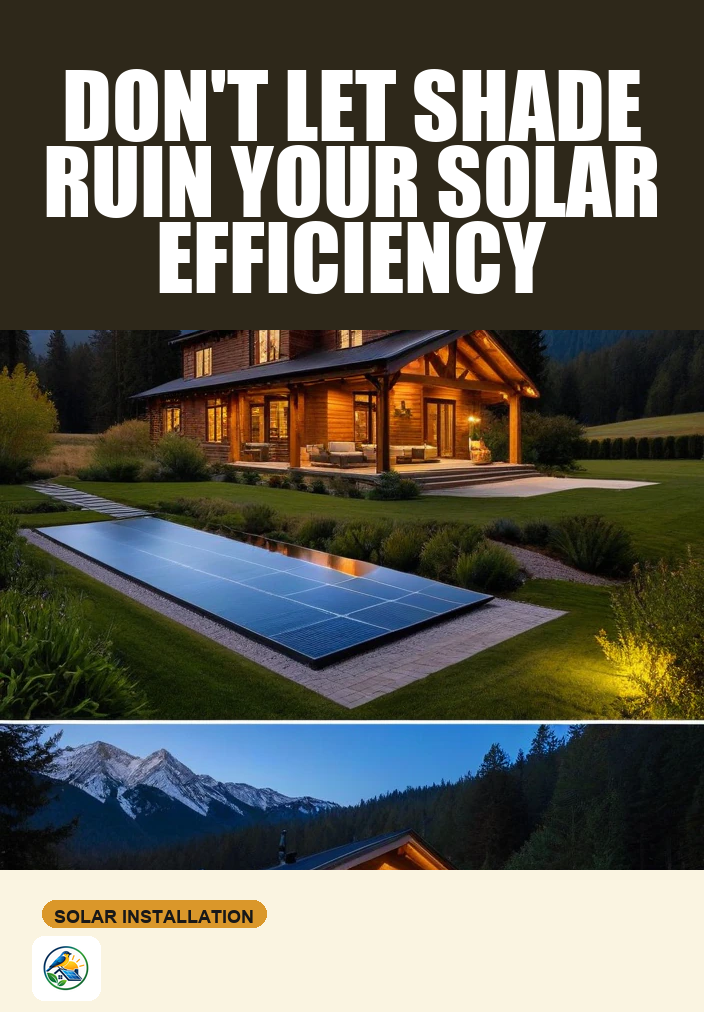
Understanding Common Mistakes in Solar Panel Placement That Lead to Unwanted Shade
When considering a rooftop solar panel installation, one of the most critical aspects to address is the placement of the solar panels. Improper positioning can lead to unwanted shade, significantly reducing the panels’ efficiency and energy production. In this article, we will explore common mistakes homeowners make when placing solar panels, how these mistakes can be avoided, and the factors to consider for optimal placement.
Why Solar Panel Placement Matters
Solar panels convert sunlight into electricity, so their placement is crucial to maximizing exposure to sunlight. Shade can come from various sources, including trees, buildings, chimneys, and even the panels themselves if installed incorrectly. This shading can lead to inconsistent energy production and, ultimately, a less effective solar system.
Assessing Your Property
Before finalizing the installation of solar panels, it’s essential to conduct a thorough assessment of your property. Here are some key factors to consider:
- Orientation: The direction your roof faces plays a significant role in how much sunlight your panels will receive. South-facing roofs generally receive the most sunlight in the Northern Hemisphere, while east and west faces can still be effective.
- Pitch: The angle of your roof can affect solar panel efficiency. A steeper pitch may capture more sunlight during specific times of the year, while a flatter roof may require additional considerations.
- Obstructions: Identify any potential shading sources. This includes nearby trees, neighboring buildings, or even roof features like vents and chimneys.
Common Mistakes in Solar Panel Placement
1. Ignoring Seasonal Changes
Many homeowners overlook the fact that the sun’s position changes throughout the year. A location that appears free of shade in the summer might be shaded during the winter months when the sun is lower in the sky. It’s vital to evaluate how shade patterns might shift with the seasons to ensure optimal energy production year-round.
2. Not Considering Nearby Vegetation
Overhanging branches and nearby trees can create significant shading issues. Homeowners may not realize that trees grow over time, potentially casting shade on solar panels. Before installation, consider not only the current height of vegetation but also the potential growth over the next few years.
3. Poor Roof Planning
Some homeowners may opt for a solar installation without fully understanding their roof’s condition. If your roof has structural issues or is nearing the end of its lifespan, it may be wise to address these concerns before installation. An unstable roof can not only jeopardize the solar panels but also create obstacles for proper placement.
4. Underestimating Panel Size and Quantity
Determining the right number and size of solar panels for your home requires careful consideration of your energy needs, roof space, and shading issues. Homeowners often make the mistake of assuming a standard number of panels will work without evaluating their unique situation. A professional installer can help calculate the appropriate system size based on your energy consumption and available roof space.
5. Overlooking Roof Features
Chimneys, vents, and skylights can obstruct sunlight and lead to unpredictable shading. Homeowners must account for these features when planning solar panel placement. Panels should be arranged to avoid these obstructions as much as possible, ensuring that they receive direct sunlight throughout the day.
Strategies for Optimal Solar Panel Placement
1. Conduct a Shade Analysis
Before installation, consider conducting a shade analysis to identify potential sources of shading throughout the year. This can be done using various tools, including solar pathfinders or digital software that simulates sunlight exposure based on your location.
2. Consult a Professional Installer
Working with a qualified solar installer is one of the best ways to avoid common placement mistakes. They can provide insights into your specific property conditions, conduct a detailed assessment, and recommend optimal panel placement based on industry best practices.
3. Plan for Future Changes
Consider how landscaping changes may affect shading in the future. If you plan to plant trees or if nearby properties may be developed, factor these potential changes into your solar panel placement strategy.
Deciding Between Different Solar Options
When choosing a solar energy system, you might come across various configurations, including grid-tied systems, battery backups, or off-grid solutions. Each option has different considerations regarding placement and shading:
- Grid-Tied Systems: These systems rely on the local utility grid and can benefit from net metering, but they are sensitive to shading issues that can reduce overall energy production.
- Battery Backup Systems: If you opt for battery storage, consider how shading will affect your ability to charge the battery during the day. Placement should ensure that panels have maximum sunlight exposure to optimize battery performance.
- Off-Grid Systems: For homeowners looking to fully disconnect from the grid, optimizing panel placement is even more crucial, as all energy needs must be met by the solar installation alone.
Next Steps for Homeowners
As you explore the possibility of installing solar panels, take the time to compare itemized quotes from qualified installers. Look for detailed assessments that account for your home’s specific shading issues and roof characteristics. Remember, solar energy can be a valuable investment, but it’s essential to ensure that it fits your unique home environment and energy needs.
Verifying local utility and government policies, as well as current incentives, is also vital in making an informed decision. Each installation is unique, and understanding the local regulations and potential benefits can help you make the right choice for your solar journey.


















