
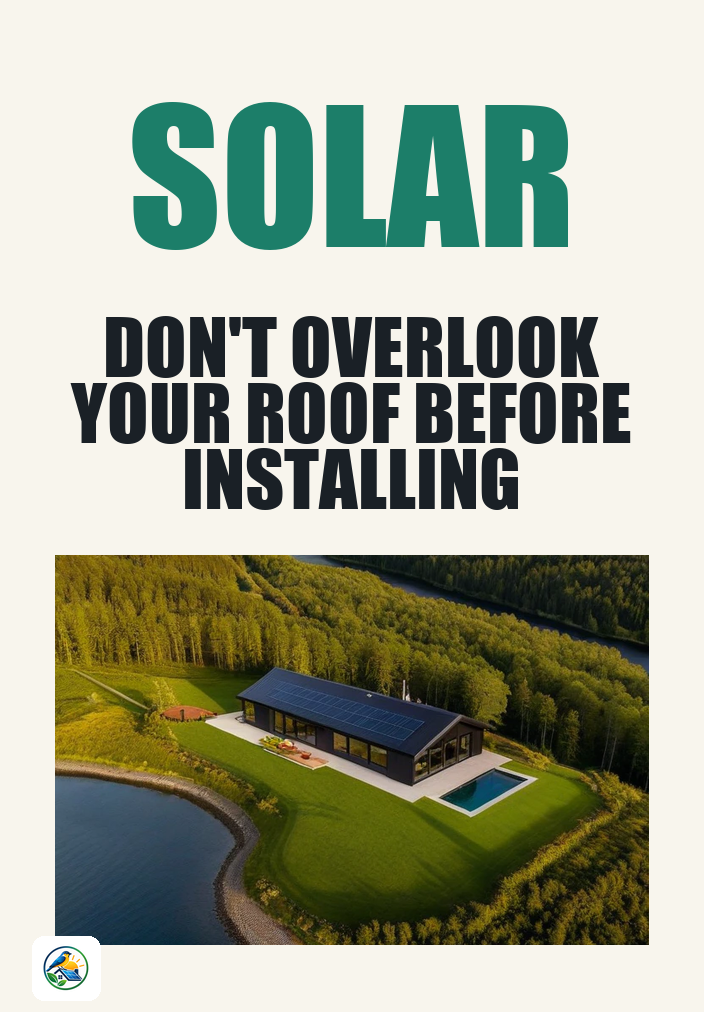
Understanding the Importance of Roof Inspections for Solar Installations
When considering a residential solar system, one of the most critical steps is ensuring that your roof is suitable for installation. A thorough roof inspection can help identify any potential issues that may affect the performance and longevity of your solar panels. In this article, we will explore why roof inspections are essential, what to look for, and how to prepare for a successful solar installation.
Why Roof Inspections Matter
Your roof is the foundation for your solar energy system. If it’s not structurally sound or compatible with solar technology, you may face significant challenges down the line. Here are some reasons why a roof inspection is crucial:
- Structural Integrity: Solar panels can weigh between 40 to 50 pounds each. If your roof has underlying issues such as rot, leaks, or structural weaknesses, it may not support the added weight.
- Optimal Orientation and Slope: The angle and direction of your roof can significantly impact solar panel efficiency. An inspection can help determine the best layout for maximum sunlight exposure.
- Shading Issues: Nearby trees, buildings, or other obstructions can cast shadows on your panels, reducing their efficiency. An inspection can help identify these issues before installation.
- Material Condition: The type of roofing material and its condition can affect how solar panels are mounted. Some materials may require additional support or different installation techniques.
What to Expect During a Roof Inspection
When a professional inspects your roof, they will typically assess several key areas:
1. Roof Age and Material
Older roofs may need replacement before solar installation. Common roofing materials include asphalt shingles, metal, tile, and flat roofs. Each has different lifespans and compatibility with solar systems.
2. Structural Soundness
The inspector will check for sagging, damage, or signs of wear that could impact the roof’s ability to support solar panels. This includes examining rafters, trusses, and the decking beneath the outer layer.
3. Drainage and Ventilation
Good drainage is essential to prevent water pooling and leaks, which can be exacerbated by the installation of solar panels. Proper ventilation is also vital for maintaining the roof’s integrity over time.
4. Existing Obstructions
The inspector will identify any trees or other structures that may block sunlight from reaching your panels. They may also assess the need for tree trimming or removal to maximize sunlight exposure.
Making Informed Decisions Based on Inspection Results
Once you receive the roof inspection report, you will be in a better position to make informed decisions about your solar installation. Here are some considerations:
- Roof Repairs or Replacement: If the inspection reveals significant issues, it may be more cost-effective in the long run to repair or replace your roof before installing solar panels.
- Installation Orientation: Knowing which areas of your roof are optimal for solar panels can help you work with your installer to design an effective layout.
- Future Maintenance: Understanding your roof’s condition can help you anticipate maintenance needs. For example, if your roof has a limited lifespan, plan for future repairs or replacement.
Assessing Roof Compatibility with Solar Systems
Beyond structural integrity, consider how different solar system types may interact with your roof:
1. Grid-Tied Systems
These systems connect to the local utility grid. If your roof has shading issues, grid-tied systems can still be effective but may not produce as much energy as expected.
2. Battery Backup Systems
Home battery systems store energy for use during outages or high-demand periods. If your roof has limitations, the efficiency of your solar panels may impact the effectiveness of battery backup solutions.
3. Off-Grid Systems
If you live in a remote area, off-grid systems may be necessary. These systems require careful planning to ensure your roof can support the necessary panel area for energy independence.
Common Roof Challenges to Consider
As you plan for your solar installation, be aware of some common challenges that may arise:
- Roof Type: Certain roofing materials may be more difficult to install solar panels on, requiring specialized mounting systems.
- Orientation: If your roof faces north or is significantly shaded, you may need to explore alternative solutions such as ground-mounted solar systems.
- Permitting and Regulations: Check with your local authorities about any zoning laws or building regulations that may affect your installation.
Next Steps: Preparing for Your Solar Installation
After completing a roof inspection and evaluating your options, here’s how to proceed:
- Consult with Qualified Installers: Reach out to solar installers who can provide detailed quotes and guidance based on your roof condition and needs.
- Compare Itemized Quotes: Review multiple quotes to understand the costs and services included. Pay attention to the specifics of the solar systems being offered.
- Verify Current Incentives: Research local and federal incentives, as these can change frequently. Independent verification will ensure you have the latest information.
By prioritizing a thorough roof inspection and understanding your options, you can set the stage for a successful solar installation that meets your energy needs. Take the time to assess your roof carefully, and work with professionals who can guide you through this important process.


















