
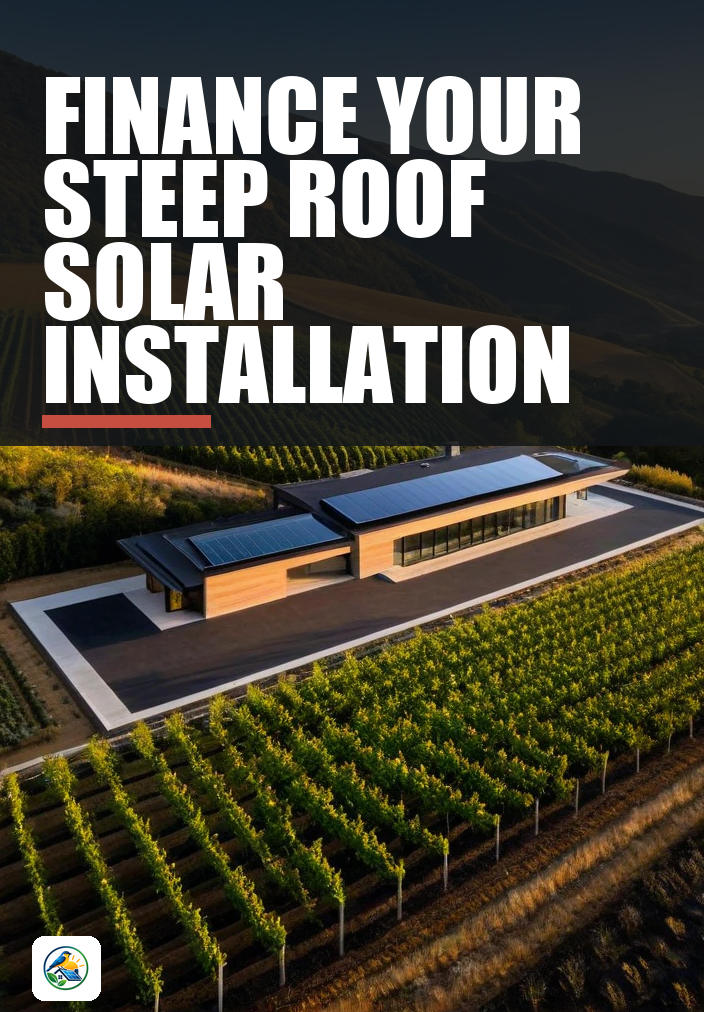
Understanding Financing Options for Installing Solar Panels on Steep Roofs
Considering solar panel installation on a steep roof can be a unique challenge for homeowners. Not only do you have to navigate the complexities of financing, but you also need to account for the structural and installation considerations that steep slopes present. This article aims to provide a comprehensive overview of financing options tailored for this specific scenario, helping you make informed decisions about your solar investment.
Why Choose Solar for Steep Roofs?
Steep roofs can be advantageous for solar installations due to their ability to capture sunlight more effectively. However, the installation process can be more complicated and potentially more expensive than on a flat roof. Before delving into financing options, it’s essential to understand the implications of having a steep roof.
Installation Considerations
A steep roof may require specialized mounting equipment and installation techniques to ensure safety and structural integrity. This can lead to higher labor costs, which is a critical factor to consider in your financing discussions. Furthermore, the condition of your roof and any necessary repairs should be assessed before moving forward with solar installation.
Financing Options Available
When it comes to financing solar panel installation on steep roofs, you have several options to consider. Here’s a breakdown of the most common methods:
1. Cash Purchase
Paying for your solar system upfront can be the most straightforward option. This route eliminates interest payments and financing fees, ensuring that you own the system outright from day one. However, it requires a significant upfront investment, which may not be feasible for everyone.
2. Solar Loans
A solar loan allows homeowners to finance their solar installation while making monthly payments over time. There are two main types:
- Secured Loans: These loans are backed by the equity in your home. They often come with lower interest rates but may require you to put your home at risk if you default.
- Unsecured Loans: These loans don’t require collateral but usually come with higher interest rates. They can be more accessible for homeowners without significant equity.
Make sure to compare different lenders and their terms, as interest rates and repayment periods can vary significantly.
3. Solar Leases
With a solar lease, you pay a monthly fee to use the solar system installed on your roof, without owning it outright. This option typically requires little to no upfront payment but may result in less overall savings compared to purchasing. Additionally, you need to understand how a lease may impact the sale of your home in the future.
4. Power Purchase Agreements (PPAs)
PPAs are similar to leases, but instead of paying a fixed monthly fee, you pay for the electricity generated by the solar panels at a predetermined rate. This can be attractive if you want to avoid upfront costs; however, it’s crucial to review the terms and conditions, especially regarding rate increases over time.
5. Home Equity Lines of Credit (HELOC)
If you have significant equity in your home, a HELOC can be a flexible option. You can borrow against your home’s equity and pay it back over time. This option may provide lower interest rates, but it can also put your home at risk if you cannot make payments.
Evaluating the Right Financing Option
Choosing the right financing method depends on several factors:
- Budget: Determine how much you can afford as an upfront payment and what monthly payments fit within your budget.
- Home Equity: Assess how much equity you have in your home, which can affect your options for loans or lines of credit.
- Long-Term Plans: Consider how long you plan to stay in your home. If you plan on moving soon, some financing options may not be ideal.
- Local Incentives: Research available local, state, or federal incentives that may impact your financing options. Always verify current information with local authorities or solar installers.
Potential Drawbacks and Constraints
While financing options abound, there are potential drawbacks and constraints to keep in mind:
- Roof Condition: If your roof is older or in poor condition, you may need to invest in repairs before installation, which can add unexpected costs.
- Installation Complexity: Steep roofs may require specialized equipment and skilled labor, increasing installation costs.
- Permitting and Regulations: Local permitting processes can vary; ensure that your installer is experienced and knowledgeable about local regulations.
- Maintenance: Solar systems require periodic maintenance, which can add to your long-term costs.
- Weather Considerations: In areas with heavy snowfall or high winds, roof stability and panel integrity should be assessed.
Next Steps: Getting Professional Quotes
Once you’ve evaluated your financing options and considered the implications of your steep roof, the next step is to gather professional quotes. Reach out to qualified solar installers to obtain itemized estimates that detail installation costs, financing options, and any potential maintenance agreements.
Make sure to compare these quotes not only based on cost but also on the quality of equipment, warranties offered, and the installer’s reputation. This will help you make a well-informed decision about whether solar panels are the right fit for your home.
In conclusion, installing solar panels on a steep roof can be a rewarding investment if approached thoughtfully. By understanding your financing options and the unique challenges of your roof, you can take significant steps toward harnessing solar energy for your home.


















