
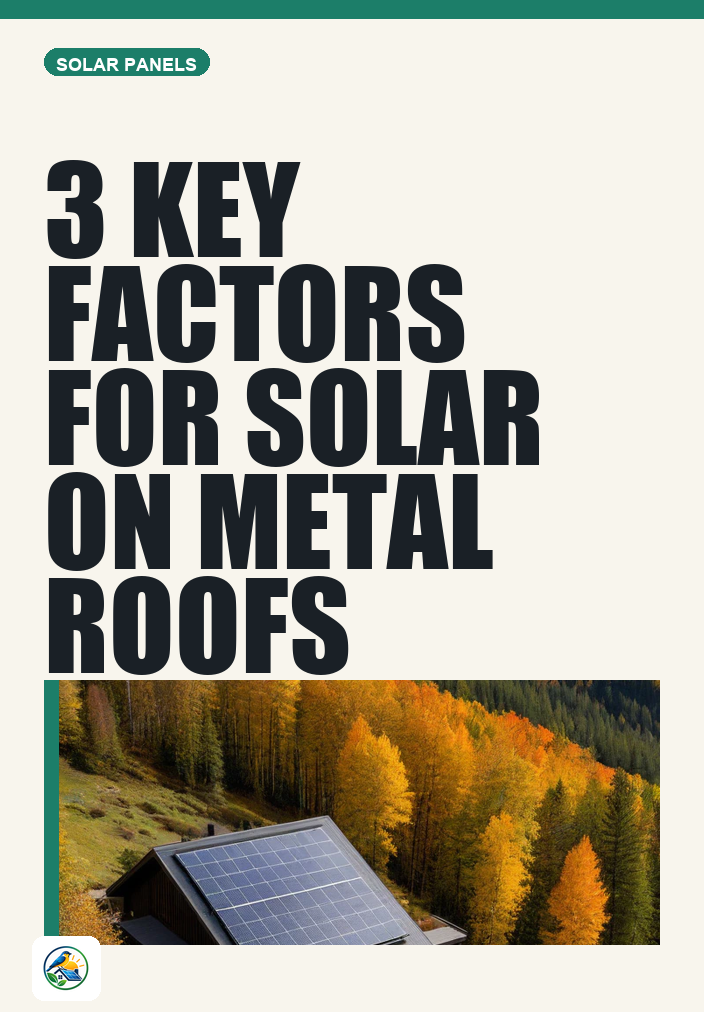
Understanding the Compatibility of Metal Roofs with Solar Panels
As the popularity of solar energy continues to rise, homeowners considering solar panels may wonder if their existing metal roof can accommodate this renewable energy solution. The good news is that metal roofs are generally suitable for solar panel installation, but there are various factors to consider. This article will guide you through the decision-making process, helping you assess whether your metal roof is a good fit for solar panels.
Evaluating Your Metal Roof Type
Different types of metal roofs exist, and their compatibility with solar panels can vary. The most common types include:
- Standing Seam Metal Roofs: These roofs feature vertical panels with raised seams. They are often considered the best option for solar installations as they allow for easy mounting without penetrating the roof.
- Ribbed Metal Roofs: Characterized by corrugated patterns, these roofs can also support solar panels but may require additional mounting hardware to ensure stability.
- Metal Tiles: While they can support solar panels, their compatibility may depend on the specific installation method and the roof’s structural integrity.
Before proceeding, it’s advisable to consult with a professional installer familiar with your type of metal roof to understand the specific requirements for installation.
Assessing Roof Condition and Age
The condition and age of your roof play a crucial role in determining its suitability for solar panels. Key considerations include:
- Age: If your metal roof is nearing the end of its lifespan, it may be worth considering roof replacement before installing solar panels. New installations could complicate future roof repairs.
- Damage: Inspect your roof for any signs of damage, such as rust, loose panels, or leaks. A compromised roof may require repairs before adding solar panels.
- Structural Integrity: Ensure that your roof can support the additional weight of solar panels and mounting systems. A structural assessment from a professional can provide peace of mind.
Orientation and Shade Considerations
The orientation and shading of your roof significantly impact solar panel performance. Here’s what to consider:
- Orientation: South-facing roofs usually receive the most sunlight throughout the day, making them ideal for solar panel placement. East or west-facing roofs can also work but may yield slightly less energy production.
- Shade: Evaluate any potential shading from trees, buildings, or other obstructions. Even partial shading can reduce solar panel efficiency, so it’s vital to consider the surrounding environment before installation.
Understanding Electrical Needs and Upgrades
Before installing solar panels, assess your home’s electrical system. Consider the following:
- Current Usage: Review your electricity bills to understand your current energy consumption patterns. This can help you determine the size of the solar system needed.
- Inverter Compatibility: Ensure your electrical system is compatible with the inverter required for solar installations. Upgrades may be necessary for optimal performance.
- Battery Backup: If you’re considering a home battery, ensure your electrical system can accommodate it. This may involve additional expenses and modifications.
Permitting and Local Regulations
Before moving forward, it’s essential to understand local permitting requirements and regulations. These can vary significantly by location and may include:
- Building Permits: Many municipalities require permits for solar installations. Check with your local building department for specific regulations.
- Homeowner’s Association (HOA) Rules: If you live in a community governed by an HOA, verify any restrictions or guidelines regarding solar panel installations.
- Utility Policies: Local utility companies may have specific interconnection requirements or net metering policies. Understanding these can help you gauge the feasibility of your solar project.
Weighing Costs and Financial Considerations
While solar panels can provide long-term savings, it’s essential to consider the costs associated with installation:
- Installation Costs: Get quotes from multiple qualified installers to compare costs. Itemized quotes can help you understand what you’re paying for and the value of each component.
- Incentives and Financing: Research available incentives, rebates, and financing options in your area. However, remember that these can change, so verify the latest information.
- Maintenance Costs: Consider ongoing maintenance and potential roof repairs or replacements in the future, as these can impact the overall financial picture.
Consulting with Professional Installers
After going through the considerations outlined above, consulting with a professional solar installer is a crucial next step. They can provide valuable insights specific to your roof type, local regulations, and financial options. A professional assessment can help clarify:
- The best solar panel technology for your roof.
- Estimated energy production based on your roof’s orientation and shading.
- The potential for battery storage and how it may complement your solar system.
Next Steps: Making Your Decision
Deciding whether to install solar panels on your metal roof involves careful consideration of several factors. Begin by evaluating the type and condition of your roof, its orientation and shading, electrical needs, and local regulations. Following this self-assessment, obtain itemized quotes from qualified solar installers. This will allow you to compare options and make an informed decision that aligns with your energy goals and financial situation.
By taking these steps, you can ensure that your investment in solar energy is a sound one, tailored to the unique characteristics of your home.


















