
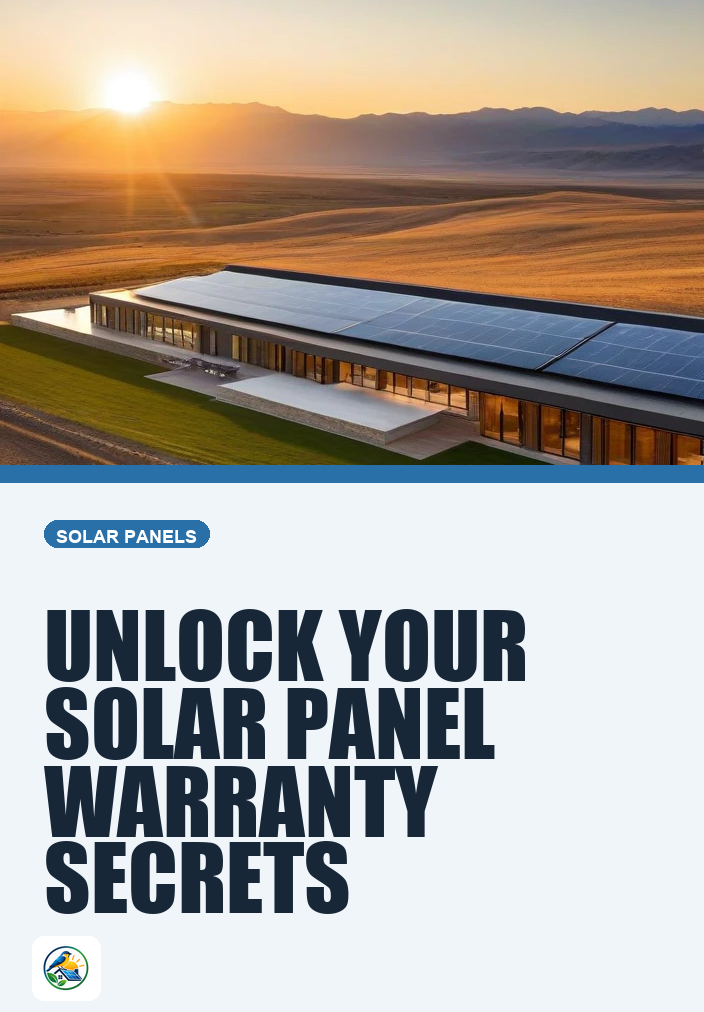
Understanding Solar Panel Warranties: Key Types and What They Cover
When considering a solar panel installation for your home, understanding the warranties associated with the equipment can be daunting. Solar panel warranties are essential as they provide peace of mind regarding the performance and durability of your investment. In this guide, we will break down the different types of warranties typically offered, what they cover, and what you, as a homeowner, need to know before making a decision.
Types of Warranties
There are primarily two types of warranties associated with solar panels: performance warranties and equipment warranties. Each serves a different purpose and covers different aspects of your solar system.
- Performance Warranty: This warranty guarantees that your solar panels will produce a certain percentage of their rated power output over a specified period. Typically, performance warranties last between 25 to 30 years. For example, a warranty might state that after 25 years, the panels should still produce at least 80% of their original capacity.
- Equipment Warranty: This warranty covers defects in materials and workmanship. Equipment warranties usually last between 10 to 25 years. If a panel fails due to manufacturing issues during this period, the manufacturer will either repair or replace it.
Evaluating Warranty Terms and Conditions
While understanding the types of warranties is crucial, it’s also important to look closely at the terms and conditions. Here are some key considerations:
- Duration: Check how long the warranty lasts. A longer warranty period may indicate a manufacturer’s confidence in their product.
- Transferability: If you plan to sell your home, can the warranty be transferred to the new owner? This can add value to your home.
- Claim Process: Understand the claim process. Some manufacturers may have stringent requirements for filing a warranty claim, such as providing proof of maintenance.
- Exclusions: Look for any exclusions in the warranty. For example, some warranties may not cover damage from extreme weather or improper installation.
The Importance of Professional Installation
Solar panel warranties can also be impacted by the quality of installation. A poorly installed system may not perform as expected, leading to potential warranty claims being denied. Therefore, selecting a qualified installer is crucial. Here’s what to keep in mind:
- Experience: Choose an installer with a proven track record. Look for reviews or testimonials from previous customers.
- Certifications: Ensure that the installer has the necessary certifications. This may include certifications from industry organizations or manufacturers.
- Itemized Quote: Request an itemized quote that includes the cost of installation, equipment, and any warranties. This will help you compare offers fairly.
Considerations for Battery Backup Systems
If you are considering adding a home battery to your solar system, be aware that battery warranties differ from those of solar panels. Here are a few points to keep in mind:
- Battery Lifespan: Most batteries come with warranties ranging from 5 to 15 years, and they often specify the number of charge cycles they can handle before capacity degrades.
- Performance Guarantees: Some batteries offer performance warranties, ensuring they will hold a certain percentage of their capacity after a specific number of cycles.
- Compatibility: Ensure that the battery you choose is compatible with your solar inverter and system design.
Trade-offs and Limitations
While warranties provide important protections, there are trade-offs and limitations that you should consider:
- Roof Condition: If your roof is nearing the end of its lifespan, it may need repairs or replacement before installation, which can add to your overall costs.
- Shading and Orientation: The location and orientation of your solar panels can impact their efficiency. Warranties based on performance may not cover underperformance due to these factors.
- Utility Regulations: Local utility policies can affect how your solar system operates, particularly if you are considering battery backup or net metering.
- Installation Costs: Higher-quality systems with better warranties often come at a premium. Evaluate whether the additional cost aligns with your budget and long-term goals.
Next Steps: Making an Informed Decision
As you navigate the world of solar panel equipment warranties, here are some practical next steps:
- Research Different Manufacturers: Understand the warranty offerings from various manufacturers and how they compare.
- Get Multiple Quotes: Solicit itemized quotes from at least three qualified installers to compare installation costs, warranties, and equipment.
- Verify Current Incentives: Check with local utilities or government resources to understand any current incentives or rebates that might apply to your installation.
Making the switch to solar power is a significant decision, and understanding the warranty landscape will help you protect your investment. Take your time to compare options, ask questions, and fully understand the terms before moving forward.


















