
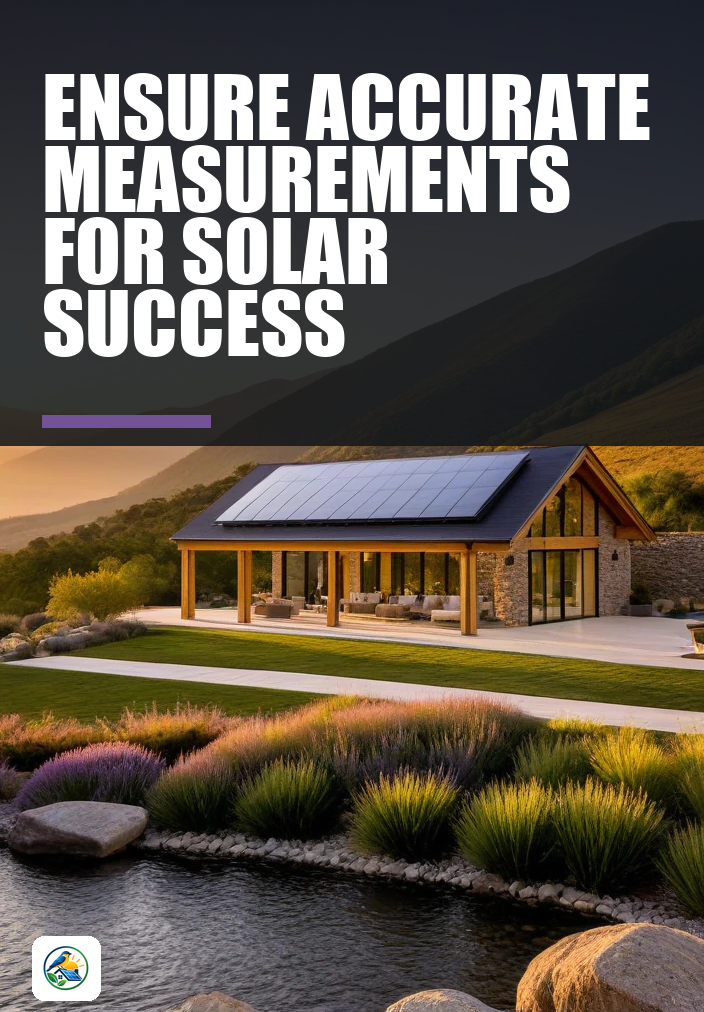
Understanding the Importance of Solar Site Surveys
If you’re a homeowner considering the installation of a rooftop solar system, understanding the solar site survey process is crucial. A solar site survey assesses your property’s suitability for solar panels, evaluating factors such as sunlight exposure, roof condition, and electrical infrastructure. Avoiding common mistakes during this process can save you time, money, and headaches down the road.
Key Steps in the Solar Site Survey Process
The solar site survey typically involves several steps, each important in determining the feasibility of your solar project. Here’s what you should know:
- Initial Assessment: A qualified installer will visit your home to assess your roof’s condition and orientation, the presence of shade from trees or buildings, and the overall layout of your property. This assessment will help in determining the optimal placement of solar panels.
- Electrical Evaluation: The survey will include a review of your electrical system to ensure that it can handle the additional load of solar panels. This may involve checking your circuit breaker panel and the wiring throughout your home.
- Shade Analysis: Understanding how shade affects your potential solar output is crucial. Installers may use tools like solar pathfinders to measure and analyze shading throughout the day and across different seasons.
- Roof Assessment: Your roof’s age, material, and structural integrity will be evaluated. An old or damaged roof may require repairs or even replacement before solar panels can be installed.
Common Mistakes to Avoid During Solar Site Surveys
Understanding potential pitfalls in the site survey process can help you make informed decisions. Here are some common mistakes to watch for:
1. Skipping the Site Survey
Some homeowners may feel tempted to skip the site survey to save time or money. However, this step is essential for accurate planning. Without a proper assessment, you risk overestimating your system’s output or underestimating costs related to necessary upgrades.
2. Ignoring Roof Condition
Homeowners often overlook the condition of their roof. If your roof is nearing the end of its lifespan, installing solar panels may not be a wise investment. Ensure that your roof is in good condition to avoid costly repairs after installation.
3. Underestimating Shade Impact
Even small amounts of shade can significantly reduce solar energy production. Failing to assess shade factors can lead to a system that doesn’t perform as expected. Consider how trees, neighboring buildings, or even roof features like chimneys may cast shadows on your panels.
4. Not Considering Future Changes
Your energy needs may change in the future. If you plan to expand your home, add electric vehicles, or install new appliances, consider how these changes may impact your energy consumption and the adequacy of your solar system.
5. Overlooking Local Regulations
Building codes, zoning regulations, and permitting requirements vary significantly by location. Failing to account for these factors can lead to delays or even the cancellation of your installation project. Always check local regulations before proceeding.
Factors That Impact Your Solar Site Survey
Several factors can influence the outcome of your solar site survey. Being aware of these can help you prepare better and make informed choices:
- Roof Orientation: South-facing roofs typically receive the most sunlight. If your roof faces east or west, your solar production may vary.
- Roof Material: Different roofing materials have varying lifespans and structural support capabilities. Ensure your chosen installation method is compatible with your roof type.
- Electrical System: If your electrical panel is outdated or undersized, you might need upgrades before installation, adding to your costs.
- Local Climate: Areas with frequent cloud cover or heavy rainfall may produce less solar energy. Understanding your local weather patterns can help set realistic expectations.
When to Get Professional Quotes
Once you’ve completed the site survey, it’s time to compare quotes from qualified installers. Getting multiple itemized quotes allows you to understand the costs associated with different systems, including panels, inverters, and potential upgrades. Be sure to ask about the specifics of each quote:
- What type of panels are included, and how do they compare?
- What warranties are offered on equipment and installation?
- What kind of maintenance might be required?
- Are there any hidden fees or additional costs?
Having clear, detailed quotes can help you make a more informed decision about which installer to choose and what system may be the best fit for your home.
Next Steps for Homeowners
As you consider solar for your home, start with a comprehensive solar site survey. This will help you identify potential challenges and opportunities. After the survey, gather multiple quotes from qualified installers and compare them carefully. Remember to verify any local incentives, utility policies, and tax credits independently to ensure you have the most accurate and current information.
By taking these steps, you can set yourself up for a successful solar installation that meets your home’s energy needs while avoiding common pitfalls.


















