
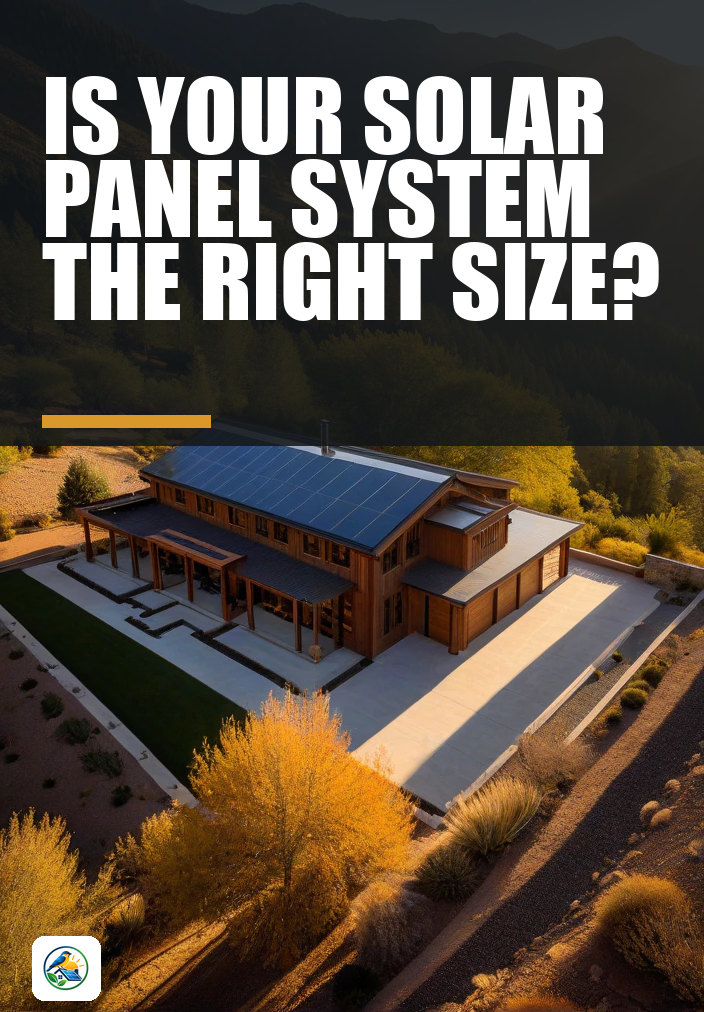
Understanding Your Solar Panel System Size Needs
When considering a solar panel system for your home, determining the right size is crucial. An ideal system should meet your energy needs without overspending. But how do you achieve this balance? Here, we will explore various factors that influence system size, discuss options and tradeoffs, and offer practical tips for sizing your solar panel system effectively.
Estimating Your Energy Needs
The first step in determining the size of your solar panel system is to assess your energy needs. Start by reviewing your electricity bills from the past year. Look for the following:
- Monthly Usage: Note your average monthly energy consumption in kilowatt-hours (kWh).
- Peak Usage: Identify your highest usage months, which may inform the size of the system you require.
- Future Changes: Consider any upcoming changes in energy consumption, such as adding electric vehicles, home renovations, or new appliances.
Once you have a solid understanding of your energy usage, you can begin estimating the solar panel system size needed to meet those demands.
Calculating the Right Size for Your System
To calculate the size of the solar panel system you need, you can use the following formula:
System Size (kW) = Monthly Energy Usage (kWh) / 31 days / Average Sunlight Hours per Day
Average sunlight hours can vary significantly based on geographic location. For example, a home in Arizona may receive more sunlight than one in the Pacific Northwest. Research your area’s average sunlight hours to ensure accurate calculations.
Example Calculation
Let’s say your home consumes 900 kWh per month and your region receives about 5 hours of sunlight per day:
System Size = 900 kWh / 31 days / 5 hours = 5.8 kW
This means you would need a solar panel system of approximately 6 kW to meet your monthly energy needs.
Consider Roof Space and Orientation
The physical space available on your roof is another crucial factor in determining system size. Factors to consider include:
- Roof Condition: Ensure your roof is in good shape before installation. If it needs repairs or replacement, it’s best to address this beforehand.
- Orientation: South-facing roofs typically receive the most sunlight, making them ideal for solar panels. East and west-facing roofs can also work but may produce less energy.
- Shade: Trees, chimneys, or other structures can cast shadows on your roof, reducing solar panel efficiency. Evaluate the shading patterns throughout the day and year.
Tradeoffs Between System Size and Costs
Choosing the right system size often involves tradeoffs. A larger system can produce more energy but comes with higher upfront costs. Conversely, a smaller system may not meet your energy needs, leading to higher electricity bills. Here are some considerations:
- Installation Costs: Larger systems require more panels and potentially more complex installation, impacting overall costs.
- Financing Options: If financing is necessary, understand the terms and how they may affect your overall investment. Higher system costs may lead to higher monthly payments.
- Maintenance: Larger systems may require more maintenance and monitoring, which can add to long-term costs.
Exploring Battery Backup Options
Incorporating a battery backup can enhance your solar panel system’s performance by storing excess energy for use during peak hours or outages. When considering battery options, keep in mind:
- Battery Size: Calculate the size of the battery based on your energy needs and how long you want it to supply power during outages.
- Usage Patterns: Determine if you plan to use the battery solely for backup or also for managing energy costs by using stored energy during peak pricing times.
- Additional Costs: Batteries add complexity and cost to your solar setup. Assess if the added expense is justified based on your needs.
Professional Quotes: A Key Step
Once you have a solid understanding of your energy needs and potential system size, it’s time to seek quotes from professional solar installers. Here’s what to consider when obtaining quotes:
- Itemized Estimates: Request detailed quotes that break down equipment, installation, and additional costs. This helps you compare different offers effectively.
- Site Assessment: A qualified installer should conduct a site assessment to evaluate your roof and energy requirements accurately.
- Incentives and Financing: Discuss local incentives, financing options, and any available rebates that may affect your overall investment.
Next Steps: Make Informed Decisions
Determining the ideal solar panel system size is a multifaceted process that requires careful consideration of your energy needs, roof characteristics, and financial implications. By following the steps outlined above, you can confidently assess your solar options and avoid overspending.
As you move forward, obtain itemized quotes from qualified installers in your area. This will provide you with the information needed to make an informed decision tailored to your home’s unique circumstances. Remember to verify any current incentives and financing options with local authorities or your chosen installer to ensure you’re making the best financial choice for your solar investment.


















