
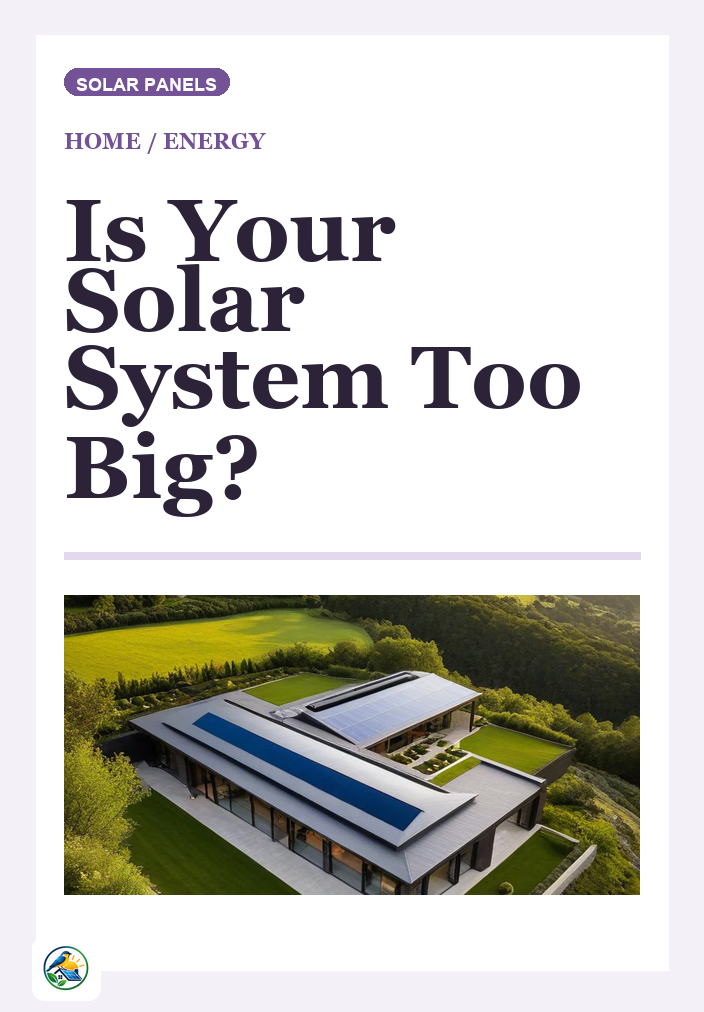
Understanding Solar Panel System Sizing: Are You Overpaying?
When considering a residential rooftop solar system, one of the most critical decisions you’ll face is sizing your system correctly. An improperly sized solar array can lead to significant overpayments, leaving you with either insufficient power generation or unnecessary expenses. This article will guide you through the factors to consider when sizing your solar panel system to ensure you make a well-informed decision.
Why System Sizing Matters
The size of your solar panel system directly impacts its efficiency, cost, and suitability for your home’s energy needs. A system that is too small will not produce enough energy, potentially leading to higher electricity bills from the grid. Conversely, a system that is too large may result in paying for more panels than you need, driving up your initial investment without a proportional increase in energy savings.
Key Factors to Consider When Sizing Your Solar System
1. Energy Consumption
Your first step in determining the right solar panel size is to analyze your home’s energy consumption. Review past utility bills to understand your average monthly usage in kilowatt-hours (kWh). This data will give you a baseline for how much energy your solar system needs to produce.
- Look for peak usage months, typically in summer or winter, depending on your climate.
- Consider seasonal variations in energy consumption, such as increased cooling or heating needs.
2. Roof Characteristics
The physical characteristics of your roof play a significant role in system sizing. Consider the following:
- Orientation: South-facing roofs typically receive the most sunlight, making them ideal for solar installation.
- Shade: Trees, chimneys, and other structures can create shade that reduces energy production.
- Condition: Ensure your roof is in good condition and has adequate lifespan remaining to support a solar system.
- Space: The available area for solar panels will directly influence how many can be installed.
3. Local Climate and Weather Patterns
Your local climate affects solar energy production. If you live in a region with frequent cloud cover or heavy snowfall, your solar system might require additional panels to meet your energy needs. Conversely, homes in sunny areas may need fewer panels to generate the same amount of energy.
4. Future Energy Needs
Think about your future energy needs. Are you planning to add electric vehicles, appliances, or expand your home? If so, it may be wise to size your solar system with these future needs in mind to avoid costly upgrades later.
Understanding System Types: Grid-Tied vs. Off-Grid
Choosing between a grid-tied system and an off-grid system can also impact how you size your solar installation. Here’s a brief overview:
- Grid-Tied Systems: These systems are connected to the utility grid and allow for net metering, meaning you can sell excess energy back to the grid. Sizing considerations here will focus more on offsetting your energy consumption rather than achieving complete energy independence.
- Off-Grid Systems: If you want to be completely independent from the grid, your system must be sized to meet 100% of your energy needs, often requiring more panels and potentially a battery storage system to manage energy supply during low production periods.
The Importance of Professional Quotes
While it’s possible to do preliminary calculations on your own, obtaining a professional quote is invaluable. Qualified solar installers conduct comprehensive assessments that consider all the factors discussed. They can provide tailored recommendations based on your specific situation, including:
- Detailed energy usage analysis.
- Roof assessment and shading analysis.
- Advice on local regulations and permitting requirements.
- Custom financing options and incentives available in your area.
What to Expect in a Quote
A detailed quote should include:
- Itemized costs for equipment, installation, and permits.
- Estimated energy production based on local weather patterns.
- Potential savings and payback period estimates, though these can vary widely.
Common Pitfalls to Avoid
When sizing your solar panel system, be cautious of common pitfalls that can lead to overpayment:
- Overestimating Energy Needs: While it’s important to plan for future energy consumption, overestimating can lead to purchasing unnecessary panels.
- Ignoring Roof Condition: If your roof requires repairs, it may not be the right time to install solar panels.
- Disregarding Local Regulations: Each locality has different rules regarding solar installations, which can impact your system’s design and cost.
Next Steps: Making an Informed Decision
Before you make a decision, take the time to compare itemized quotes from multiple qualified solar installers in your area. This will help you understand the costs involved and ensure that you’re not overpaying for your solar panel system. Additionally, verify current local utility, installer, government, or tax information to understand any incentives or rebates that may apply to your situation.
Ultimately, careful consideration of your energy needs, roof characteristics, and potential future changes will help you size your solar panel system appropriately, avoiding overpayment and maximizing the benefits of your investment.


















