
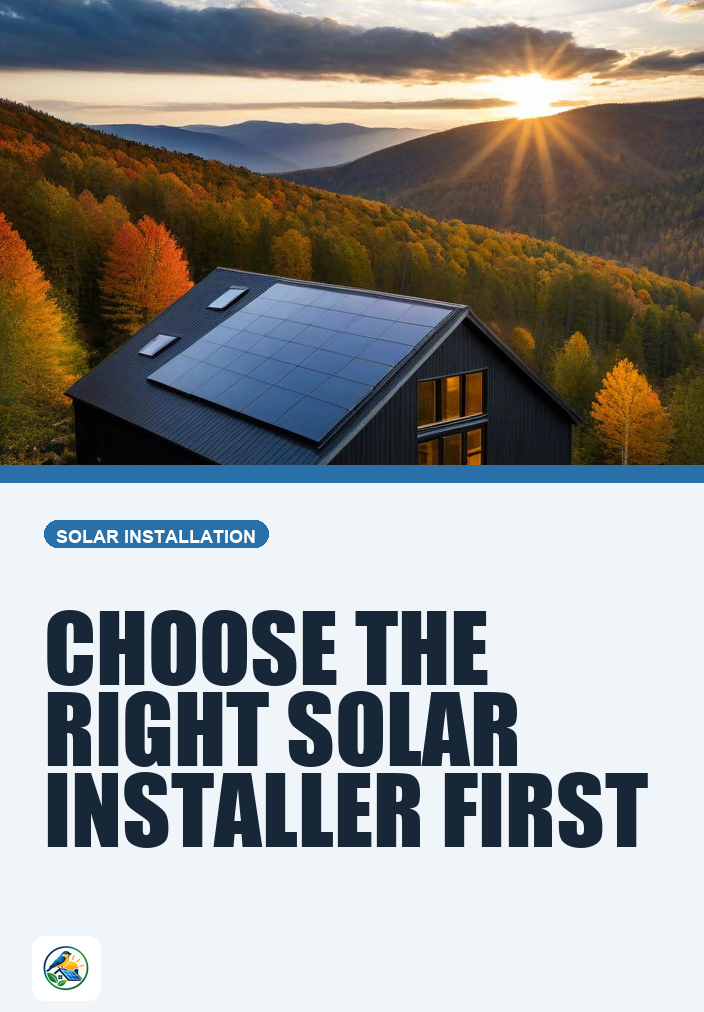
Understanding the Importance of Choosing the Right Solar Installer
For homeowners contemplating a solar energy system installation, selecting the right solar installer is a pivotal decision. The quality of the installation can significantly affect the system’s performance and longevity. Making an informed choice can help avoid costly mistakes, ensuring you get a reliable and efficient solar setup that meets your energy needs.
Key Criteria for Selecting Your Solar Installer
When evaluating potential solar installers, consider the following essential criteria:
1. Experience and Credentials
- Industry Experience: Look for installers with a proven track record. Ideally, they should have several years of experience in the solar industry, particularly in residential installations.
- Certifications: Verify that the installer has relevant certifications, such as those from the North American Board of Certified Energy Practitioners (NABCEP). This shows a commitment to quality and professionalism.
- Insurance and Licensing: Ensure the installer has appropriate liability insurance and the necessary licenses to operate in your state. This protects you from potential liabilities during installation.
2. Reputation and References
- Online Reviews: Check online platforms for customer reviews. These can provide insights into the installer’s reliability, service quality, and customer satisfaction.
- References: Ask the installer for references from past customers. Speaking directly with previous clients can give you a clearer picture of their experience.
- Local Presence: Consider installers who are local to your area. They may have better knowledge of local regulations and conditions that impact solar installation.
3. Comprehensive Quotes and Transparency
Once you have narrowed down your choices, request itemized quotes from each installer. Compare the following:
- System Components: Ensure the quote includes all components—solar panels, inverters, mounting systems, and any additional equipment like batteries.
- Labor Costs: Understand how much of the quote is attributed to installation labor. This can vary significantly between installers.
- Warranties: Check the warranties provided for both the equipment and installation work. A longer warranty often indicates better quality and confidence in the installation.
4. Financing Options and Incentives
Financing can significantly impact your decision:
- Payment Plans: Look for installers offering flexible financing options. Consider whether they provide options like loans, leases, or power purchase agreements (PPAs).
- Incentives: Research local, state, and federal incentives. Some installers may help you navigate the paperwork for tax credits or rebates. However, verify the current incentives independently, as these can change frequently.
- Net Metering: Understand how the installer handles net metering and whether they can help you maximize potential energy credits from your utility.
5. Installation Process and Timeline
Understanding the installation process and expected timelines is crucial for planning:
- Project Timeline: Ask for a detailed timeline from the installer, including design, permitting, and installation phases. This helps set realistic expectations.
- Permitting and Interconnection: Inquire about how the installer handles permitting and interconnection with the utility. Efficient management of these processes can prevent delays.
- Post-Installation Support: Understand what support the installer offers after the system is operational. This includes monitoring, maintenance, and troubleshooting assistance.
Considerations Specific to Your Home
Not every solar system is right for every home. Here are some factors to consider:
- Roof Condition: Ensure your roof is in good shape before installation. If your roof requires repairs or replacement, address this first.
- Shade and Orientation: Assess how trees, buildings, or other structures may cast shadows on your roof. A solar installer can help analyze the best orientation for optimal sunlight exposure.
- Electrical Upgrades: Your home’s electrical system may need upgrades to accommodate a solar installation. Discuss this with your installer to understand any additional costs.
- Battery Storage: If considering a battery backup, discuss compatibility and size requirements with your installer. Battery systems can be beneficial for energy independence but may come with higher initial costs.
Next Steps: Making an Informed Decision
Choosing the right solar installer is a critical step in your journey toward solar energy. Begin by compiling a list of potential installers based on the criteria outlined above. Request detailed, itemized quotes and take the time to compare each one carefully. Assess their experience, reputation, and the clarity of their quotes.
Remember, the best choice may not always be the cheapest. Prioritize quality and reliability to ensure your solar system operates efficiently for years to come. With careful consideration and thorough research, you can avoid costly mistakes and make an informed decision that suits your home and energy needs.


















