
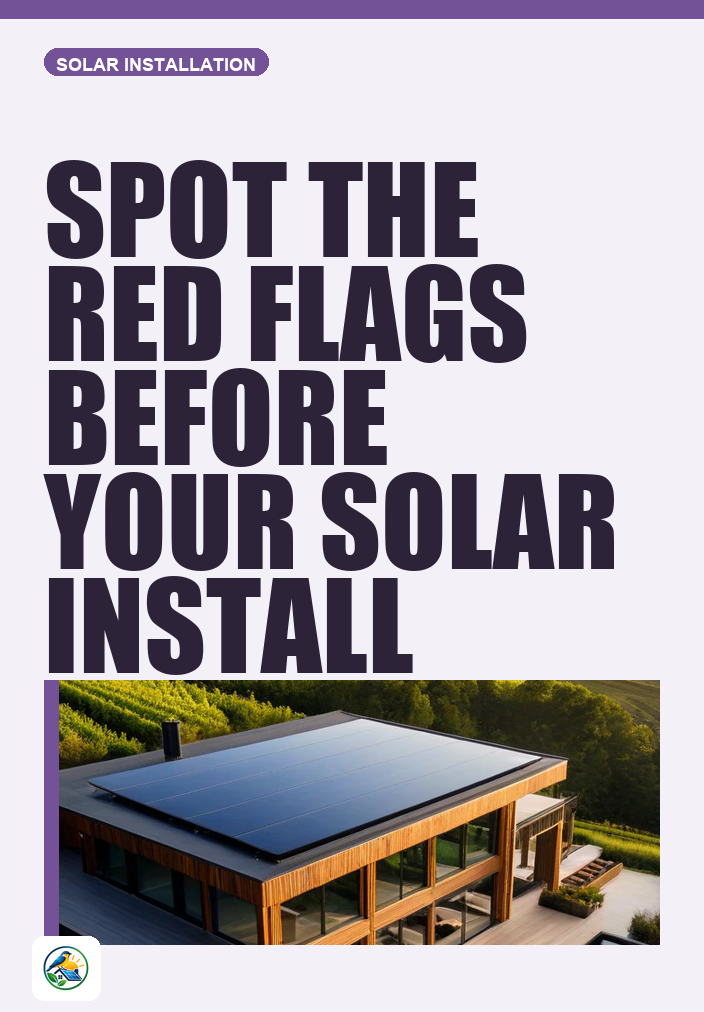
Understanding Your Solar Installation: Key Red Flags to Watch For
Installing a solar energy system on your home can be a significant investment that promises benefits in energy efficiency and potential savings. However, navigating the process requires careful preparation to avoid costly surprises. Before committing to a solar installation, it’s crucial to be aware of several key factors that can impact your project. This article will guide you through essential considerations to keep in mind, ensuring that you approach your solar journey well-informed.
Evaluating Your Roof’s Suitability
Your roof’s condition, age, and design play a critical role in the feasibility of a solar installation. Here are some factors to consider:
- Roof Age: If your roof is nearing the end of its lifespan, you may need to replace it before installing solar panels. Replacing a roof after installation can be costly and may require removing the solar panels.
- Material and Structure: Different roofing materials (like shingles, tiles, or metal) may have varying compatibility with solar panels. Additionally, ensure your roof can support the weight of the solar system.
- Orientation and Tilt: South-facing roofs typically receive the most sunlight, while east and west-facing roofs can still be viable. The angle of your roof also affects the efficiency of the solar panels.
- Shade Factors: Nearby trees, buildings, or other obstructions can cast shadows on your solar panels, reducing their efficiency. Conduct a shade analysis to determine the impact.
Understanding Local Regulations and Permitting
Before you proceed with a solar installation, familiarize yourself with local regulations, permitting processes, and utility interconnection rules. These aspects can vary widely depending on your location:
- Permitting Requirements: Local governments often require permits for solar installations. Check with your municipality to understand what documentation is needed.
- HOA Regulations: If you live in a community governed by a homeowners association, verify their rules regarding solar installations.
- Utility Policies: Understand your utility’s net metering policy, which can affect how you are compensated for excess energy produced by your solar system.
Choosing the Right Solar System Type
Solar systems can vary based on how they connect to the grid, and the choice may significantly affect your energy independence and costs. Here are the main types to consider:
- Grid-Tied Systems: These systems are connected to the utility grid, allowing you to draw power when needed and sell excess energy back. However, they won’t provide power during an outage unless paired with battery storage.
- Battery Backup: Adding a battery to your solar system allows you to store excess energy for use during outages or at night, but it comes with additional costs and maintenance requirements.
- Off-Grid Systems: This setup does not connect to the utility grid, making it ideal for remote locations but requiring a larger investment in batteries and equipment to ensure a reliable power supply.
Understanding Installation Costs and Financing Options
The initial cost of a solar installation can vary significantly based on system size, equipment, and installation complexity. Here are some considerations:
- Initial Costs: Obtain multiple quotes from qualified installers to compare costs. Ensure each quote includes an itemized breakdown of equipment, labor, and other fees.
- Financing Options: Consider different financing methods, including cash purchases, loans, or leases, and weigh the pros and cons of each.
- Incentives and Tax Credits: Research available incentives in your area, such as federal tax credits, state rebates, or local programs. Verify current details as they can change frequently.
Maintenance and Long-Term Considerations
Once installed, solar systems require ongoing maintenance to ensure optimal performance. Keep the following in mind:
- Regular Inspections: Schedule regular inspections to check for issues such as dirt buildup, damage, or inverter functionality.
- Potential Upgrades: As technology advances, you may want to consider upgrading components, such as inverters or batteries, to improve efficiency.
- Weather Impacts: Be mindful of how severe weather conditions in your area can affect the longevity and performance of your solar system.
Assessing Your Energy Needs
Understanding your energy consumption patterns is essential in sizing your solar system appropriately:
- Review Energy Bills: Analyze your previous energy bills to determine your average monthly usage, which will inform the size of the solar system needed.
- Future Needs: Consider any upcoming changes, such as adding an electric vehicle or home expansion, that may increase your energy demands.
Next Steps: Moving Forward with Solar
Preparing for a solar installation involves careful consideration and research to avoid surprises down the line. Start by evaluating your roof and energy needs, understanding local regulations, and comparing quotes from qualified installers. Ensure each quote is itemized and transparent so you can make informed decisions.
Engaging with experienced professionals can help clarify complex aspects of the installation process, allowing you to weigh your options effectively. Remember, solar energy may not be the right financial decision for every homeowner, so take your time to evaluate all factors involved.


















