
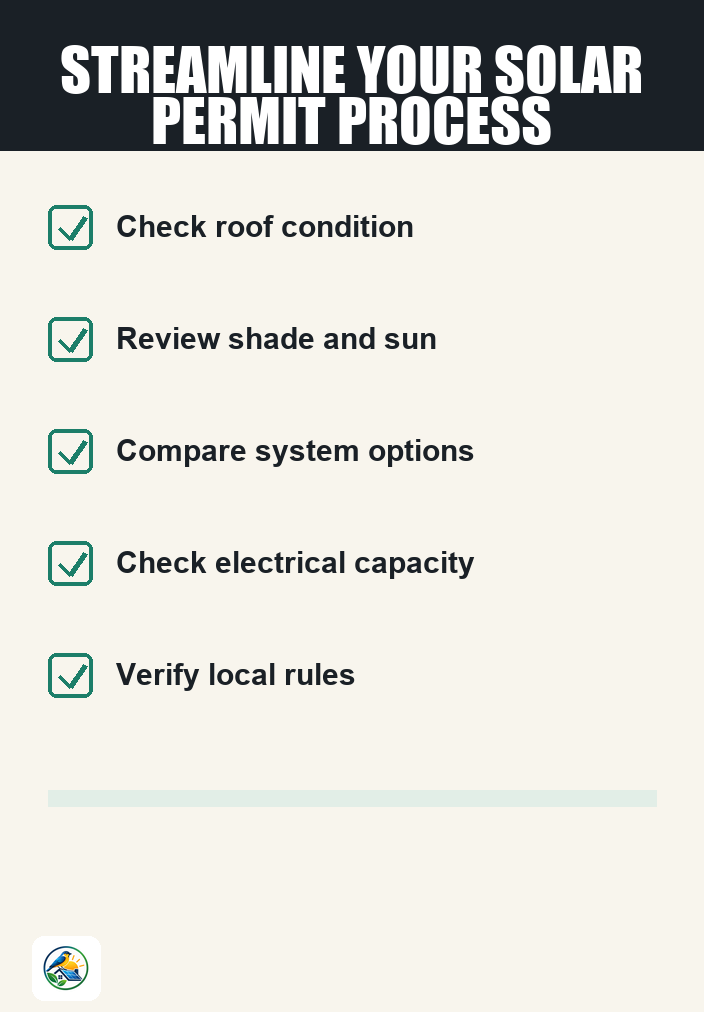
Understanding the Solar Permit Application Process
When considering a rooftop solar installation, one of the crucial steps is obtaining the necessary permits. This process can be daunting, especially for homeowners unfamiliar with local regulations and requirements. Avoiding common pitfalls in your solar installation permit application can save time, reduce frustration, and help ensure that your project moves forward smoothly. In this article, we will explore key considerations and strategies for navigating the permit process effectively.
Why Permits Matter for Solar Installations
Permits are essential for several reasons:
- Compliance: Permits ensure that your solar installation complies with local building codes, zoning laws, and safety regulations.
- Safety: Proper permitting helps guarantee that the installation is safe for both the homeowner and the community.
- Resale Value: Homes with unpermitted work can face challenges during resale, potentially affecting property value.
Understanding the significance of permits is the first step in avoiding common pitfalls during the application process.
Know Your Local Requirements
Permitting requirements can vary significantly from one jurisdiction to another. Before you begin the application process, take the time to educate yourself about the specific requirements in your area. Here are some critical steps:
- Research Local Regulations: Visit your local government or municipal website to find information on solar permitting. Look for sections dedicated to building permits, zoning laws, and renewable energy regulations.
- Contact Local Authorities: If you have questions, don’t hesitate to reach out directly to your local building department. They can provide valuable information tailored to your situation.
- Consult Your Installer: A qualified solar installer should be familiar with local permitting processes and can guide you through the requirements.
Common Pitfalls in Permit Applications
To streamline your experience, be aware of the following common pitfalls that homeowners encounter during the solar permit application process:
Incomplete Applications
Submitting an incomplete application is a frequent issue. Make sure you have all required documents ready. This typically includes:
- Detailed site plans
- System design specifications
- Proof of contractor licensing and insurance
- Electrical diagrams
Double-check the local requirements to ensure you include everything necessary.
Neglecting Structural Considerations
It’s crucial to assess your roof’s condition and suitability for solar installation. Consider the following:
- Roof Age: If your roof is nearing the end of its lifespan, it may need repairs or replacement before installation.
- Weight Capacity: Ensure your roof can support the additional weight of solar panels, which may require structural upgrades.
- Shade Analysis: A shaded roof may produce less energy, which can impact your system’s performance.
Addressing these factors early can prevent complications later in the permitting process.
Ignoring Utility Requirements
Utilities often have their own set of requirements for connecting solar systems to the grid. Here are steps to consider:
- Interconnection Agreements: Understand the utility’s interconnection process, which may require additional documentation.
- Net Metering Policies: Familiarize yourself with net metering regulations, as these can affect how you receive credit for excess energy generated.
Ensure that your installer includes these considerations in their planning and documentation.
Delaying Permitting Submission
Submitting your permit application promptly can help avoid unnecessary delays. Keep the following in mind:
- Seasonal Considerations: Some jurisdictions experience higher volumes of permit applications during certain times of the year. Submit your application early to avoid backlogs.
- Follow Up: After submission, check in with the permitting office to confirm that your application is being processed.
A timely submission can help keep your project on track.
Working with Professional Installers
Engaging a professional solar installer can be beneficial in navigating the permitting process. Here’s how they can help:
- Expertise: Professional installers are typically well-versed in local regulations and can help prepare your application accurately.
- Documentation Support: They can assist in gathering necessary documents and ensuring your application is complete.
- Project Management: Installers can manage the entire process, including permitting, installation, and interconnection, reducing your burden.
Consider obtaining multiple quotes from qualified installers to compare their services and expertise.
Preparing for the Next Steps
Once you’ve navigated the permitting process, you can move forward with your solar installation. Here are practical next steps:
- Compare Itemized Quotes: Review the quotes from installers, focusing on the details of equipment, installation practices, and warranty options.
- Verify Local Incentives: Research any incentives or rebates available in your area. Local utility companies or state programs may offer financial assistance.
- Assess Financing Options: Explore different financing methods, including loans, leases, or cash purchases, to determine what best fits your budget.
- Plan for Maintenance: Consider the long-term maintenance of your solar system, including cleaning and potential repairs.
By preparing thoroughly and understanding the common pitfalls in the solar permit application process, you can help ensure a smoother transition to renewable energy for your home. Taking the time to research and understand your local requirements will not only facilitate the permitting process but also contribute to the long-term success of your solar installation.


















