
Understanding Your Energy Needs for an All-Electric Home
As a homeowner considering solar energy for your all-electric home, you may be wondering how to integrate solar panels without compromising your energy needs. The transition to solar power is not merely a financial investment; it is also a lifestyle choice that can enhance your energy independence. However, before diving into the world of solar, it’s essential to understand your specific energy requirements and the options available to you.
Assess Your Current Energy Usage
The first step in determining whether solar is a good fit for your home is to assess your current energy usage. Collect your utility bills for the past year to identify your average monthly usage in kilowatt-hours (kWh). This information will be crucial in evaluating the size of the solar system you may need.
Factors Influencing Energy Consumption
- Home Size: Larger homes generally consume more energy.
- Appliances: The type and age of appliances can significantly affect energy consumption.
- Heating and Cooling: Homes that rely on electric heating or cooling systems will have higher energy demands.
- Behavioral Habits: Lifestyle choices, such as the number of occupants and their usage patterns, also play a role.
Once you have a clear picture of your energy needs, you can better evaluate your options for solar energy systems.
Choosing the Right Solar System for Your Home
There are various types of solar systems available, and understanding their differences is crucial to making the right choice for your all-electric home.
Grid-Tied Solar Systems
Grid-tied systems are the most common type of solar installation for residential homes. These systems connect directly to the utility grid, allowing you to draw electricity when your solar panels aren’t producing enough power. If your solar panels generate more energy than you consume, you may receive credits through net metering, depending on your utility’s policies.
Battery Backup Systems
For homeowners seeking greater energy independence, battery backup systems can store excess energy generated during the day for use at night or during outages. While these systems can add to the initial cost, they provide peace of mind and can be a worthwhile investment for those living in areas prone to power outages.
Off-Grid Systems
If you live in a remote area and are looking to completely disconnect from the utility grid, an off-grid system may be the right choice. However, these systems typically require larger solar arrays and battery storage to meet all your energy needs, making them more expensive and complex to install.
Evaluating Roof Suitability for Solar Installation
Your roof’s condition, orientation, and shading are critical factors that can affect the efficiency of a solar installation.
Roof Condition
Before installing solar panels, ensure your roof is in good condition. If your roof is nearing the end of its lifespan, it may be wise to replace it before investing in solar. This can prevent potential issues and additional costs down the line.
Orientation and Pitch
The orientation and angle of your roof can significantly influence solar panel performance. South-facing roofs typically receive the most sunlight, while east and west-facing roofs can still be effective but may generate less energy. If your roof is flat, solar panels can be installed with tilt mounts to maximize sun exposure.
Shade Considerations
Shading from trees, buildings, or other obstructions can greatly reduce solar panel efficiency. Assess your property for potential shading throughout the day, especially during peak sunlight hours. In some cases, trimming trees or adjusting your panel layout can improve energy production.
Understanding Local Regulations and Incentives
Before proceeding with a solar installation, familiarize yourself with local regulations, permitting processes, and available incentives. Each state and utility may have different rules and financial incentives that can affect your overall investment.
Permitting and Interconnection
Securing the necessary permits for installation can vary widely based on your location. Some areas may have streamlined processes, while others may require more extensive documentation. It’s best to check with local authorities and your solar installer to understand what is required.
Incentives and Tax Credits
Various incentives may be available to reduce the cost of your solar installation. These can include state tax credits, local rebates, or federal programs. However, it’s important to verify current offerings as they can change frequently. Consulting with a qualified installer can help clarify what incentives you may qualify for and their implications on your overall costs.
Comparing Quotes from Professional Installers
Once you have a comprehensive understanding of your energy needs, your roof’s suitability, and the regulations in your area, it’s time to gather quotes from qualified solar installers. Here’s a checklist to help you during this step:
- Request itemized quotes that break down all costs, including installation, equipment, and any additional fees.
- Compare the estimated energy production and system size recommended by each installer.
- Inquire about warranties, maintenance services, and their experience with similar installations.
- Ask about financing options and whether they offer any assistance with obtaining incentives.
Comparing these details will empower you to make an informed decision regarding your solar investment.
Next Steps Towards Solar Energy
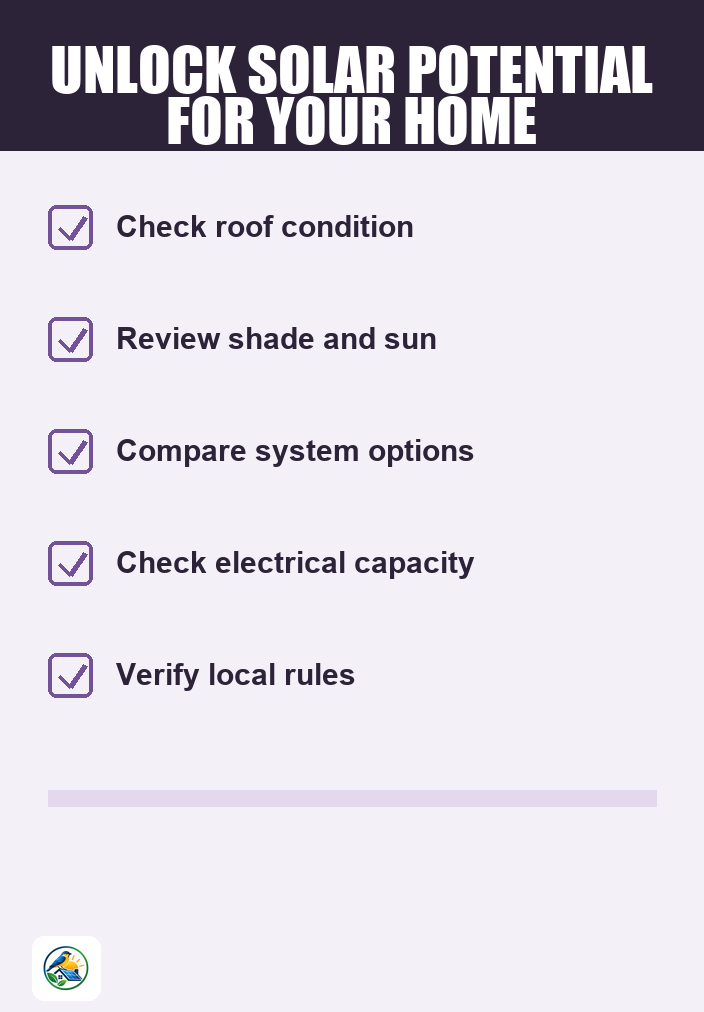
Transitioning to solar energy in your all-electric home is a significant decision that can enhance your energy independence. Start by assessing your energy needs, exploring solar options, and understanding local regulations. By gathering and comparing quotes from qualified installers, you can find a solution that meets your energy requirements without compromising on your lifestyle.
Remember, every home is unique, and what works for one may not work for another. Take your time, do your research, and consider all factors before making the switch to solar.


















