
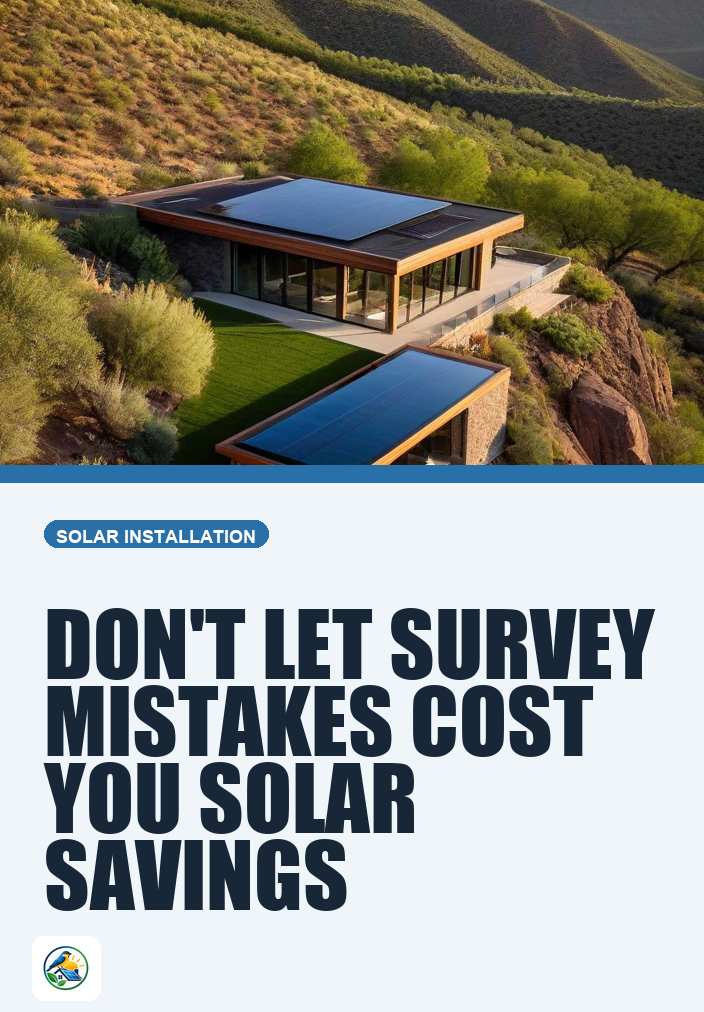
Understanding Solar Site Surveys: Common Pitfalls to Avoid
When considering a residential rooftop solar installation, one of the crucial steps in the process is conducting a solar site survey. This assessment ensures that your home is suitable for solar panels and helps determine the best system for your needs. However, there are several common pitfalls that homeowners may encounter during this phase. Understanding these pitfalls can help you make informed decisions and avoid costly mistakes.
Ignoring Roof Condition and Age
Your roof’s condition plays a critical role in the feasibility of a solar installation. Homeowners often overlook the age and structural integrity of their roofs while planning for solar.
- Assess Roof Age: If your roof is nearing the end of its lifespan, it may need repairs or replacement before solar panels are installed. This can add unexpected costs.
- Check for Damage: Inspect for leaks, missing shingles, or sagging areas. These issues can compromise the installation and require attention before proceeding.
- Consider Roof Material: Certain roofing materials, such as slate or clay tiles, may require special mounting techniques, which can increase installation costs.
Overlooking Shade Analysis
Shade can significantly affect the performance of your solar system. Many homeowners fail to conduct a thorough shade analysis before installation.
- Identify Sources of Shade: Trees, buildings, or other obstructions can create shading on your roof. Consider both current and potential future sources of shade.
- Use Tools for Analysis: Solar pathfinders or shading analysis software can help visualize sunlight exposure throughout the year.
- Plan for Tree Trimming: If trees are shading your roof, discuss potential trimming or removal with a professional, as it can impact energy production.
Neglecting Orientation and Tilt
The orientation and tilt of your roof can greatly influence solar energy production. Homeowners should evaluate these factors to maximize efficiency.
- Optimal Orientation: South-facing roofs typically capture the most sunlight. However, east or west-facing roofs can still be viable options with the right system design.
- Evaluate Tilt Angle: The pitch of your roof affects how much sunlight your panels receive. A tilt between 30 to 45 degrees is often ideal for solar efficiency.
- Consider Ground-Mounted Options: If your roof isn’t optimal, consider ground-mounted solar panels, which can be positioned for maximum sun exposure.
Failing to Understand Electrical Requirements
Your home’s electrical system must be compatible with the new solar installation. Many homeowners overlook this crucial aspect during the site survey.
- Check Panel Capacity: Ensure that your existing electrical panel can handle the additional load from solar panels. An upgrade may be necessary.
- Evaluate Wiring and Connections: Older homes may need rewiring to accommodate modern solar technology. An electrician can assess this during the survey.
- Understand Net Metering Rules: Familiarize yourself with local net metering policies, as they determine how excess energy produced by your system is compensated.
Disregarding Local Regulations and Permits
Local regulations and permitting requirements can vary significantly, and failing to comply can delay your installation or lead to fines.
- Research Local Codes: Understand the zoning laws and building codes in your area. Some locations may have restrictions on solar installations.
- Permit Requirements: Obtain necessary permits before installation. A qualified installer can help navigate this process, but it’s essential to be proactive.
- Homeowners Association (HOA) Guidelines: If you live in a community with an HOA, check their rules regarding solar installations, as they may have specific requirements.
Ignoring Future Energy Needs
Many homeowners conduct a solar site survey based on current energy needs without considering future changes. This oversight can lead to an inadequate system.
- Plan for Growth: If you anticipate adding appliances, electric vehicles, or expanding your home, factor these potential changes into your solar system size.
- Consider Battery Backup: If you plan to add battery storage in the future, discuss this during the survey to ensure compatibility.
- Evaluate Energy Efficiency: Before installation, consider making energy-efficient upgrades to your home, as this can affect the size of the solar system you need.
Rushing the Selection of Solar Equipment
Choosing the right solar equipment is crucial for maximizing efficiency and longevity. Homeowners often rush this process, leading to suboptimal choices.
- Research Panel Types: Different solar panels have varying efficiencies and warranties. Evaluate options based on your specific energy needs and budget.
- Compare Inverters: The inverter converts solar energy into usable electricity. Consider the type and quality of inverters when assessing quotes.
- Seek Professional Recommendations: Consult with installers about equipment choices. They can help you select the best components based on your site survey results.
Next Steps for Homeowners
Conducting a solar site survey is a critical step in the solar installation process. To avoid the pitfalls outlined in this article, take the following steps:
- Assess your roof’s condition and age.
- Conduct a thorough shade analysis.
- Evaluate your roof’s orientation and tilt.
- Understand your electrical system’s requirements.
- Research local regulations and permitting processes.
- Consider your future energy needs.
- Take your time when selecting solar equipment.
Finally, when you receive quotes from qualified installers, compare itemized lists to ensure you understand the costs associated with each component of the solar system. This careful planning can help you make informed decisions and set you up for success in your solar journey.


















