
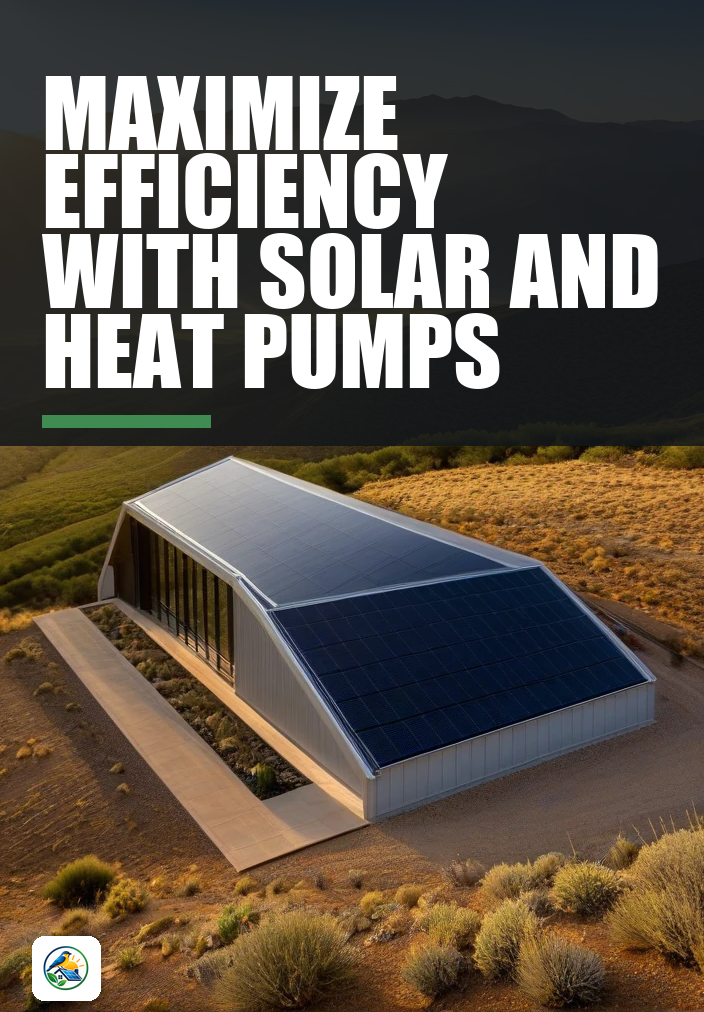
Understanding Solar Integration with Heat Pumps
As a homeowner considering solar integration, you might be exploring how a rooftop solar system can work in conjunction with your heat pump. This combination can offer a compelling solution for energy efficiency and comfort. However, there are several factors to consider before making a decision.
What is Solar Integration?
Solar integration refers to the process of combining solar energy systems with existing home energy solutions, such as heat pumps, to optimize energy use. A heat pump efficiently moves heat to and from your home, providing both heating and cooling. When paired with solar panels, it can reduce reliance on grid electricity, potentially lowering energy bills.
Benefits of Combining Solar and Heat Pumps
When integrating solar panels with heat pumps, you can enjoy several benefits:
- Increased Energy Efficiency: Solar energy can power your heat pump, reducing your dependence on fossil fuels and lowering your overall energy consumption.
- Comfort Control: Heat pumps provide consistent heating and cooling, and when powered by solar energy, they operate more sustainably.
- Environmental Impact: Using renewable energy sources can reduce your carbon footprint and reliance on conventional energy sources.
Considerations Before Integration
While the benefits are clear, there are various factors to consider that may impact your decision:
1. Roof Condition and Orientation
Your roof’s condition and orientation significantly affect solar installation feasibility. A roof that is in poor condition may need repairs or replacement before solar panels can be installed. Additionally, roofs with southern exposure typically receive more sunlight, which can enhance energy production.
2. Local Climate
The climate of your area plays a key role in both solar energy production and heat pump efficiency. For instance, in colder climates, heat pumps may require supplementary heating during extremely low temperatures. Understanding how your local weather patterns affect energy use is essential.
3. Electrical Upgrades
Integrating solar with a heat pump may necessitate electrical upgrades, especially if your current electrical system is outdated or insufficient to handle the additional load from both systems. Consulting with a professional installer can help determine what upgrades may be needed.
4. Utility Policies and Incentives
Utility regulations, net metering policies, and incentives can vary significantly by location. Understanding your local utility’s policies on solar energy is crucial, as they can affect the overall cost and benefits of integration. Always verify current information on available incentives or credits that might apply to your installation.
Comparing Solar Systems: Grid-Tied vs. Battery Backup
When considering solar integration, you’ll need to decide between a grid-tied system and a battery backup system:
- Grid-Tied Systems: These systems are connected to the utility grid and allow you to draw power from the grid when solar production is low. This option typically has lower upfront costs but offers limited energy independence.
- Battery Backup Systems: These systems store excess solar energy for use during outages or when solar production is insufficient. While they provide greater energy independence, battery systems can be more expensive and may require additional maintenance.
Understanding Costs and Financing Options
The costs associated with solar integration can vary widely based on several factors, including your location, the size of the system, and local installer rates. It’s essential to consider the following:
- Upfront Costs: Initial costs can include equipment, installation, and any necessary electrical upgrades.
- Financing Options: Different financing options are available, including loans, leases, and power purchase agreements. Each comes with its own benefits and drawbacks, so review them carefully.
- Long-Term Savings: While many homeowners realize savings over time, these can fluctuate based on energy prices, system performance, and loan terms.
Maintenance and Reliability
Both solar panels and heat pumps require some level of maintenance. Solar panels generally require minimal upkeep, such as occasional cleaning and inspections. Heat pumps, on the other hand, need regular servicing to ensure they operate efficiently. Understanding the maintenance requirements and potential costs is vital to maintaining your systems’ performance.
Next Steps: Getting Professional Quotes
Before deciding on solar integration for your home with a heat pump, obtaining quotes from qualified installers is advisable. Look for itemized quotes that detail equipment costs, installation fees, and any necessary upgrades. Comparing these quotes will help you make an informed decision based on your unique situation.
Remember, solar integration is not a one-size-fits-all solution. An assessment of your home’s specific needs, local regulations, and utility policies is crucial to determining whether solar is a suitable fit for you.


















