
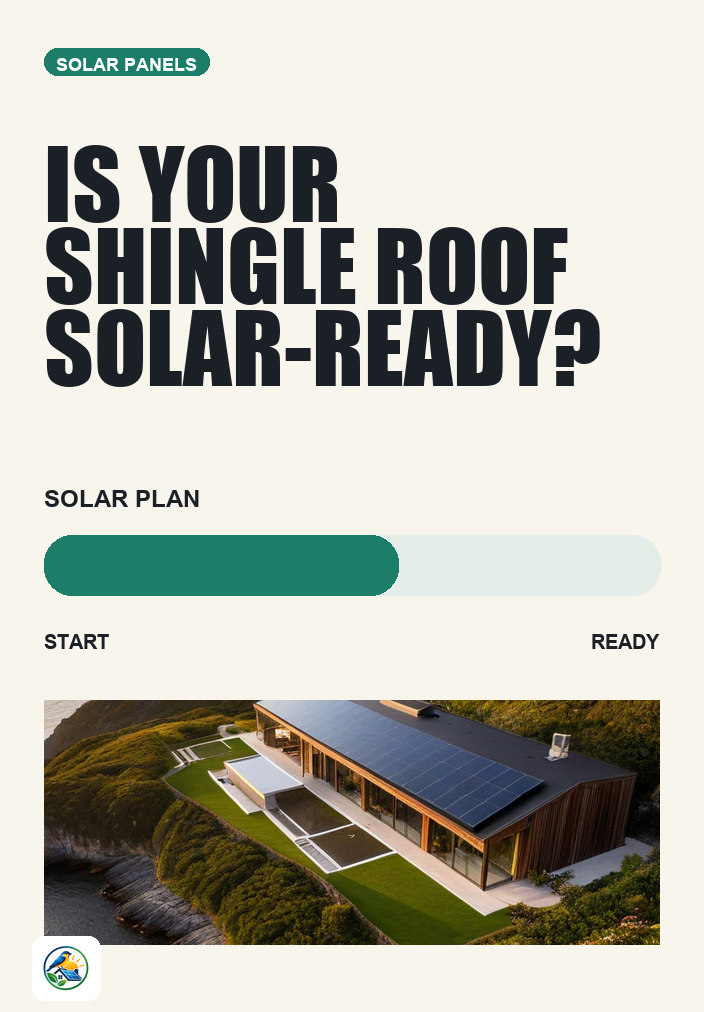
Introduction: Are Solar Panels Right for Your Shingle Roof?
Considering solar panels for your shingle roof is a significant decision for any U.S. homeowner. While solar energy can offer benefits such as reduced electricity bills and a smaller carbon footprint, it’s not a one-size-fits-all solution. This article will help you determine if solar panels are a viable option for your home, focusing on key considerations, trade-offs, and practical steps you can take to make an informed decision.
Understanding Your Roof’s Compatibility
The first step in determining whether solar panels are suitable for your home is assessing your roof’s condition and characteristics. Here are some factors to evaluate:
- Age and Condition: If your roof is nearing the end of its lifespan, it may be wise to replace it before installing solar panels. Installing panels on a roof that needs repairs can lead to additional costs and complications later.
- Material: Shingle roofs are generally compatible with solar panel installations. However, the type of shingles and their condition can affect the installation process.
- Orientation and Tilt: South-facing roofs typically receive the most sunlight, making them ideal for solar panels. East and west-facing roofs can also work, but their energy production may be less efficient.
- Shade: Assess any potential shading from trees, nearby buildings, or other obstructions. Even partial shade can significantly reduce a solar system’s performance.
Evaluating Energy Needs and Consumption
Before diving into solar panel options, it’s essential to understand your household’s energy needs. Consider the following:
- Current Electricity Usage: Review your recent electricity bills for your monthly usage in kilowatt-hours (kWh). This will help you determine the size of the solar system you may need.
- Future Energy Consumption: Consider any expected changes in your energy use, such as adding electric vehicles or major appliances. This will affect the size of the system you should consider.
Comparing Installation Options
When it comes to installing solar panels, you have several options, each with its own pros and cons:
- Grid-Tied Systems: These systems are connected to the local utility grid. They allow you to draw electricity when your solar panels aren’t producing enough (like at night) and sell excess energy back to the grid. However, grid-tied systems won’t work during power outages unless paired with a battery backup.
- Battery Backup: Adding a battery storage system allows you to store excess energy generated during the day for use at night or during outages. This can provide more energy independence but adds to the upfront costs and complexity of the system.
- Off-Grid Systems: These systems are completely independent of the utility grid and require a larger battery storage capacity. While they offer energy independence, they can be significantly more expensive and require careful planning to ensure sufficient energy supply.
Understanding Local Incentives and Regulations
Solar incentives can play a crucial role in making solar energy more accessible. However, they vary widely based on location, so it’s important to research:
- State and Local Incentives: Many states offer rebates, tax credits, or performance-based incentives for solar installations. Check your local government’s website for current programs.
- Net Metering Policies: This allows you to get credited for the excess energy your system produces, which can affect your overall savings. Net metering rules differ by utility company.
- Permitting and Interconnection: Before installation, you’ll need to secure permits from your local jurisdiction. Additionally, your utility will need to approve your system’s interconnection to the grid.
Considering Costs and Financing Options
The cost of solar panel installation can vary significantly based on system size, location, and specific installation requirements. Some common financing options include:
- Purchasing Outright: Paying for your solar system in full can offer the best long-term value, but it requires a substantial upfront investment.
- Solar Loans: Many homeowners choose to finance their system through loans, which allow you to spread the cost over time while still benefiting from energy savings.
- Leases and Power Purchase Agreements (PPAs): These options let you install solar panels with little to no upfront cost, but they typically involve ongoing monthly payments to a solar provider.
Maintenance and Long-Term Considerations
Once installed, solar panels generally require minimal maintenance. However, there are some considerations to keep in mind:
- Regular Inspections: Having your system checked periodically can ensure everything is functioning correctly and can help identify potential issues.
- Weather Impact: Severe weather conditions, like hail or heavy snow, can damage panels. Assess your local weather patterns and consider protective measures if necessary.
- Future Roof Repairs: If you plan to undertake roof repairs in the future, consider how this will affect your solar system and the costs associated with removing and reinstalling the panels.
Next Steps: Getting Quotes and Making a Decision
Once you’ve evaluated your roof’s compatibility, energy needs, and local regulations, it’s time to gather information from solar installers. Here are some practical steps to take:
- Get Multiple Quotes: Request itemized quotes from several qualified installers. This will help you compare system costs, warranties, and installation timelines.
- Ask About Local Incentives: Ensure that any quotes you receive reflect the most current local incentives and financing options available.
- Review the Contract: Before signing anything, review the contract thoroughly. Pay attention to terms regarding warranties, maintenance, and future upgrades.
Determining whether solar panels are right for your shingle roof involves careful consideration of various factors, including your roof’s condition, your energy needs, local regulations, and financial implications. By taking a systematic approach and consulting with qualified professionals, you can make an informed decision that aligns with your goals and circumstances.


















