
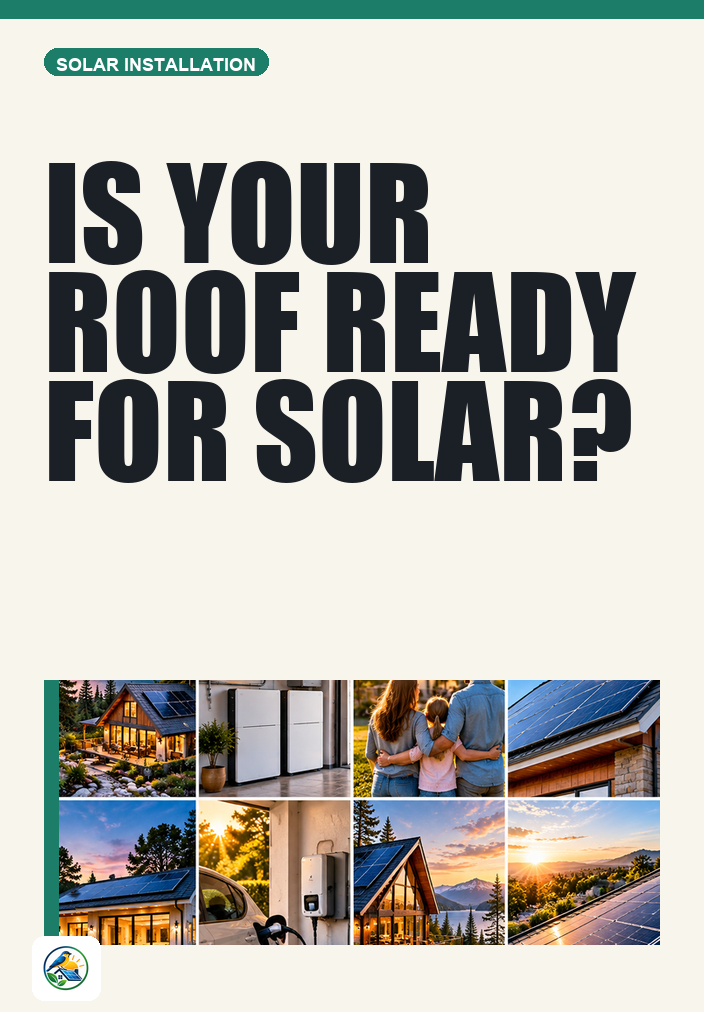
Don’t Overlook Your Roof: Essential Inspections Before Solar Installation
As a homeowner considering solar installation, you might be excited about the prospect of harnessing renewable energy. However, before you even think about selecting solar panels or comparing costs, it’s critical to evaluate the condition of your roof. A thorough roof inspection can save you from costly surprises later on and ensure that your solar system operates efficiently for years to come.
Why Roof Condition Matters for Solar Panels
Your roof is the foundation for your solar energy system. If it’s not in good condition, you might face issues that can affect both the installation and the long-term performance of your solar panels. Here are some key reasons why roof condition matters:
- Structural Integrity: Solar panels can add considerable weight to your roof. If your roof isn’t structurally sound, it may not support the additional load.
- Longevity: If your roof is nearing the end of its life expectancy, you might need to replace it soon after installing solar panels, which could complicate the installation process.
- Water Damage: Any existing leaks or damage can lead to problems down the line, potentially damaging your solar equipment.
- Installation Efficiency: A roof in poor condition can complicate installation, leading to increased labor costs and time delays.
Types of Roofs and Their Considerations
Different roofing materials and styles come with their own considerations when it comes to solar installation. Here are some common roof types and what to keep in mind:
Asphalt Shingles
Asphalt shingles are the most common roofing material in the U.S. They typically have a lifespan of about 20 to 30 years. If your roof is older than 15 years, it’s worth considering a replacement before solar installation.
Tile Roofs
Tile roofs are durable and can last over 50 years. However, they are heavy and may require additional structural support before installing solar panels. Ensure that the underlayment is in good condition to avoid leaks.
Metal Roofs
Metal roofs are lightweight and long-lasting, often exceeding 40 years. They are generally favorable for solar installations due to their durability and the ease with which panels can be mounted. However, ensure that your metal roof does not have rust or corrosion.
Flat Roofs
Flat roofs are common in commercial and some residential applications. They provide unique challenges, such as drainage issues. A professional installer may need to assess whether additional equipment, like ballasted systems or mounting brackets, is necessary.
Conducting a Roof Inspection
Before you engage with solar installers, consider conducting a comprehensive roof inspection. Here’s a checklist of what to look for:
- Visible Damage: Check for missing shingles, cracks, or any signs of wear and tear.
- Leaks: Inspect your attic for any signs of water damage or leaks.
- Age: Determine the age of your roof and its remaining lifespan.
- Structural Issues: Look for sagging or abnormal dips in the roofline.
- Shade Factors: Identify any trees or structures that could cast shadows on your roof, affecting the efficiency of solar panels.
Engaging Professionals for a Thorough Assessment
While a preliminary inspection can be done by yourself, hiring a professional roofing contractor can provide a more thorough evaluation. They can identify underlying issues that may not be visible to the untrained eye. Additionally, many solar installers offer roof assessments as part of their services. It’s worth considering getting a quote from a few qualified installers who can evaluate both the roof and your solar needs.
Considering Future Roof Work
If your roof requires repairs or replacement, it’s essential to address these issues before solar installation. Some homeowners might be tempted to install solar panels first and deal with roof problems later, but this can lead to complications. A roof replacement after solar installation may require the removal of solar panels, which can incur additional costs and labor.
Permitting and Utility Considerations
Different areas have varying permitting rules and utility regulations that can affect your solar installation. Some municipalities require that any roof work be completed before a solar permit is issued. Understanding your local regulations is crucial, so be sure to consult with your installer about these requirements.
Weighing the Costs and Benefits
When planning for solar, it’s essential to weigh the costs of roof repairs or replacement against the potential benefits of solar energy. Here are some considerations:
- Cost of Repairs: Evaluate the cost of fixing or replacing your roof compared to the long-term benefits of solar energy.
- Installation Timing: Consider the timing of your solar installation and any roof work needed.
- Potential Incentives: Research local incentives for both roof repairs and solar installations, but verify current details as they can vary significantly by location.
Next Steps for Homeowners
Before you proceed with a solar installation, take the time to assess your roof’s condition carefully. Here are some practical next steps:
- Conduct a basic roof inspection using the checklist provided.
- Engage a professional roofer for a comprehensive evaluation if necessary.
- Gather quotes from at least three qualified solar installers who can assess both your roof and solar needs.
- Compare itemized quotes and consider the long-term implications of your roofing and solar choices.
By taking these steps, you can ensure that your investment in solar energy is sound and that your roof will support your energy goals for many years to come.


















