
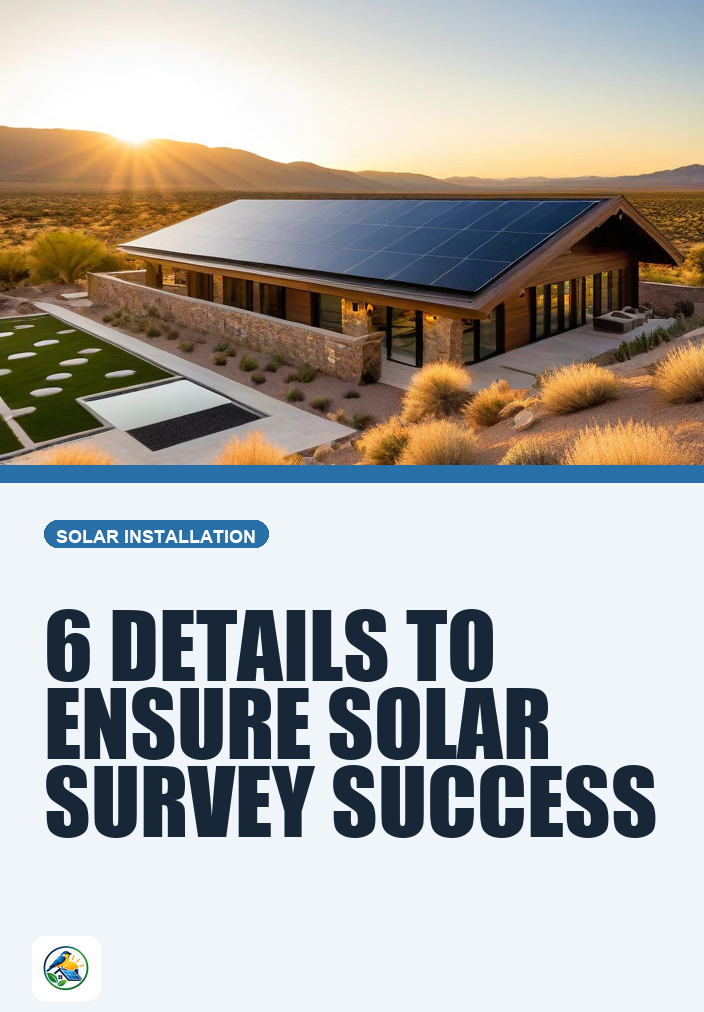
Understanding the Importance of a Comprehensive Solar Site Survey
When considering a residential rooftop solar system, one of the most critical steps is ensuring that your solar site survey is thorough and accurate. A complete site survey helps identify potential challenges and opportunities unique to your home, allowing you to make informed decisions throughout the installation process. This article will guide you through the key details that should not be overlooked during your solar site survey, ensuring you have everything you need to proceed with confidence.
Key Elements to Address in Your Solar Site Survey
To begin, a comprehensive solar site survey should encompass several vital factors. Each element plays a role in determining the feasibility and effectiveness of a solar system tailored to your home.
1. Roof Condition and Structure
The first consideration is the condition of your roof. A well-maintained roof is essential for solar installation since panels will be mounted directly onto it. Consider the following:
- Age of the roof: If your roof is nearing the end of its lifespan, it may need repairs or replacement before installation.
- Roof material: Different materials (asphalt shingles, tile, metal) can affect mounting options and system efficiency.
- Structural integrity: Ensure that your roof can support the weight of the solar panels and any additional equipment.
2. Solar Access and Orientation
The orientation and tilt of your roof significantly impact solar energy production. Key aspects to analyze include:
- Orientation: South-facing roofs typically receive the most sunlight. East and west-facing roofs can still be viable but may produce less energy.
- Shade analysis: Trees, buildings, or other obstructions can block sunlight. A thorough analysis should determine how much shade affects your roof throughout the day.
- Roof pitch: The angle of your roof can influence how effectively solar panels capture sunlight. Ideally, a pitch of 30 to 45 degrees is optimal, though flat roofs can also work with proper mounting solutions.
3. Electrical System Assessment
Your existing electrical system will also influence your solar installation. Considerations include:
- Main service panel: Verify that your electrical panel can handle the additional load from solar energy. Upgrades may be necessary.
- Wiring and circuitry: Check the condition of your home’s wiring and whether it meets current safety standards.
- Net metering compatibility: Understand your utility’s policies regarding net metering, which can affect how you receive credit for excess energy produced.
4. Local Regulations and Permitting
Solar installations are subject to local regulations, including zoning laws and permitting requirements. Important factors to verify include:
- Zoning restrictions: Some residential areas have rules about the placement and appearance of solar panels.
- Permitting process: Each municipality may have different processes for obtaining the necessary permits. Understanding this upfront can save time and hassle later.
- Homeowner association (HOA) guidelines: If your home is part of an HOA, check their rules regarding solar installations.
Evaluating Other Considerations
While the elements above are critical, several other factors can impact the effectiveness and feasibility of your solar system.
1. Climate and Weather Patterns
Your local climate plays a significant role in solar energy production. For example:
- Sunlight availability: Locations with frequent cloud cover may see reduced energy production compared to sunnier regions.
- Temperature effects: Solar panels can be less efficient in extreme temperatures, affecting overall performance.
- Severe weather considerations: Regions prone to heavy snow, hail, or hurricanes may require specialized equipment or installation techniques.
2. System Size and Type
Determining the right size and type of solar system for your home requires careful consideration:
- Energy needs: Assess your average energy consumption to size your system appropriately. This may require reviewing past utility bills.
- Grid-tied vs. off-grid: Decide whether you want to remain connected to the grid, which offers benefits like net metering, or if you plan to go off-grid, which may require battery storage.
- Battery storage options: If you are considering energy storage for backup power, assess your needs and the space available for installation.
3. Financial Considerations
While the financial aspects of solar installation can be complex, it’s essential to have a clear understanding of potential costs and financing options:
- Cost of installation: Obtain multiple quotes from qualified installers to compare itemized costs.
- Incentives and rebates: Research current federal, state, and local incentives, as these can change frequently. Ensure that you verify the eligibility and application processes for any financial incentives.
- Financing options: Explore different financing options like loans, leases, or power purchase agreements (PPAs) to determine what aligns best with your budget.
Next Steps for Homeowners
Conducting a thorough solar site survey is essential for a successful solar installation. By addressing the key elements outlined above, you can ensure that you are well-prepared to move forward. Here are some practical next steps:
- Schedule a site visit with a qualified solar installer for an on-site assessment.
- Compare itemized quotes from multiple installers to understand the breakdown of costs and options available.
- Research local incentives and verify their current status to maximize potential benefits.
- Assess your energy needs and preferences to determine the best solar system configuration for your home.
Remember, every home is unique, and a comprehensive solar site survey will help ensure that your solar system is tailored to meet your specific needs, maximizing the benefits of renewable energy for your household.


















