
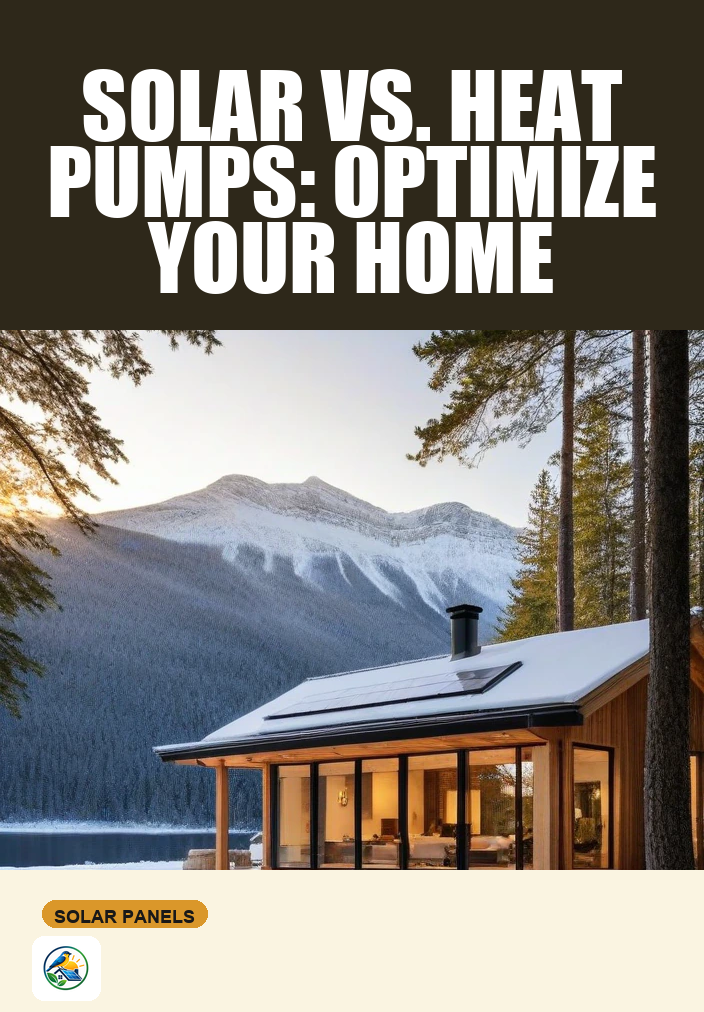
Understanding Solar Panel and Heat Pump Integration
As a homeowner considering solar energy, you may be exploring the possibility of integrating solar panels with a heat pump. This combination can enhance energy efficiency and reduce reliance on traditional heating and cooling systems. However, there are important factors to consider. This checklist will guide you through the essential considerations to help you make informed decisions about your home’s energy future.
Assessing Your Home’s Energy Needs
Before diving into solar and heat pump installation, it’s crucial to evaluate your current energy consumption. Here are some steps to help assess your needs:
- Review Your Energy Bills: Look at your monthly and yearly energy usage. This will give you a clear picture of your consumption patterns.
- Calculate Heating and Cooling Load: Determine how much energy your home requires for heating and cooling. A professional energy audit can be beneficial for this.
- Consider Future Needs: If you plan to expand your home or add new appliances, factor this into your energy needs assessment.
Evaluating Your Roof for Solar Installation
The condition and characteristics of your roof play a significant role in the feasibility of solar panel installation. Here are key aspects to evaluate:
- Roof Condition: Ensure your roof is in good condition before installing solar panels. Any necessary repairs should be completed prior to installation.
- Roof Orientation and Pitch: South-facing roofs typically receive the most sunlight. However, east and west-facing roofs can also be effective. The pitch of your roof can influence panel efficiency.
- Shade Assessment: Identify any trees, buildings, or other obstructions that may cast shade on your roof. Even partial shading can significantly reduce energy production.
Choosing the Right Solar System
When selecting a solar panel system, consider the following options:
- Grid-Tied Systems: These systems are connected to the utility grid and can send excess energy back to the grid, often receiving credits through net metering.
- Battery-Backup Systems: Coupling your solar system with a battery allows you to store energy for use during outages or at night.
- Off-Grid Systems: If you live in a remote area, an off-grid system can provide complete energy independence, but it requires a larger initial investment and careful planning.
Understanding Heat Pumps
Heat pumps can be an efficient alternative to traditional heating and cooling systems. Here are some types and their considerations:
- Air Source Heat Pumps: These are the most common type, extracting heat from the outside air. They work well in moderate climates but may struggle in extreme temperatures.
- Ground Source (Geothermal) Heat Pumps: These systems draw heat from the ground and are very efficient but require significant installation space and upfront costs.
- Ductless Mini-Split Heat Pumps: Ideal for homes without ductwork, these systems provide zoned heating and cooling but may require multiple units for larger spaces.
Incentives and Financing Options
Understanding available incentives and financing options is crucial for your budget. Keep in mind:
- Federal and State Incentives: Research current federal and state tax credits and rebates available for solar and heat pump installations. These can vary widely based on location and change over time.
- Financing Options: Explore different financing methods like solar loans, leases, or power purchase agreements (PPAs). Each has its pros and cons, so evaluate what fits your financial situation best.
Permitting and Interconnection
Before installation, you’ll need to navigate local permitting and interconnection requirements:
- Permitting: Check with your local government for any permits required for solar panel and heat pump installation. This can vary greatly by location.
- Utility Interconnection: Contact your utility provider to understand their interconnection process for grid-tied systems. This may involve inspections and approvals.
Maintenance Considerations
Both solar panels and heat pumps require some level of maintenance. Consider the following:
- Solar Panel Maintenance: Regularly clean your solar panels and have them inspected to ensure they’re functioning efficiently. Most panels have a lifespan of 25 years or more.
- Heat Pump Maintenance: Schedule regular maintenance for your heat pump, including filter replacements and system checks to optimize performance.
Getting Professional Estimates
Once you’ve done your homework, it’s time to seek professional estimates. Here’s how to approach this step:
- Research Qualified Installers: Look for installers with good reputations and customer reviews. Verify their certifications and experience.
- Request Itemized Quotes: Ask for detailed estimates that break down costs for equipment, labor, permits, and any additional fees.
- Compare Quotes: Evaluate the quotes not only on price but on the quality of equipment and the scope of services offered.
Next Steps for Homeowners
Integrating solar panels with heat pumps can be a strategic move for your home’s energy efficiency. Begin with a thorough assessment of your energy needs and home characteristics. As you progress, collect estimates from multiple qualified installers and verify local incentives before making a decision. Your pathway to a more sustainable and energy-efficient home starts with informed choices and professional guidance.


















