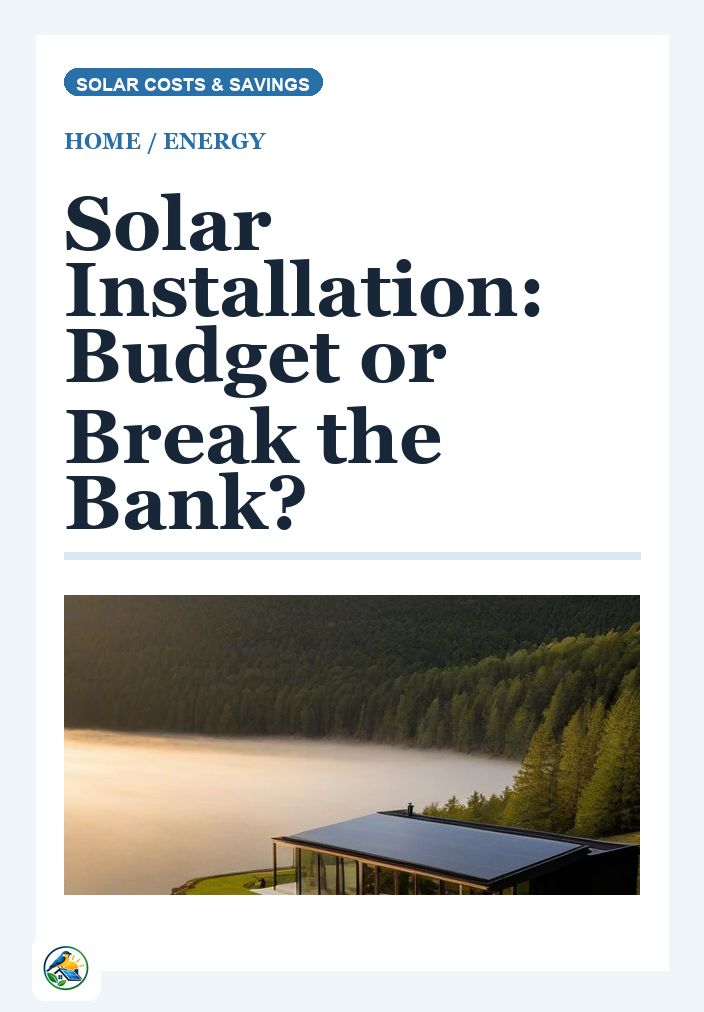
Understanding Solar Loans for Your Home
Considering a solar energy system for your home is a significant decision, especially regarding how to finance it. Solar loans come in various forms, and choosing the right one can help you harness solar energy without straining your cash flow. This article will guide you through the various options, trade-offs, and considerations that homeowners should keep in mind when selecting a solar loan.
Types of Solar Loans
When financing a solar energy system, homeowners typically have several loan options. Understanding each type will help you find the most suitable one for your financial situation.
1. Secured Solar Loans
Secured solar loans require collateral, usually your home or another asset. These loans typically offer lower interest rates because the lender has recourse if you default. However, if you miss payments, there is a risk of losing the asset you pledged as collateral. Secured loans can be a good option for homeowners with equity in their homes.
2. Unsecured Solar Loans
Unsecured loans do not require collateral. They tend to have higher interest rates than secured loans since the lender assumes a higher risk. These loans are generally easier and faster to obtain, making them appealing for homeowners who may not have significant equity. However, it’s essential to assess your budget carefully to ensure that the monthly payments fit within your cash flow.
3. Home Equity Loans and Lines of Credit
Home equity loans and lines of credit (HELOCs) allow homeowners to borrow against the equity they have built in their properties. Home equity loans provide a lump sum, while HELOCs give access to a revolving credit line. These options typically offer lower interest rates, but they also put your home at risk if you cannot make payments. Be cautious and ensure you understand the terms before committing.
4. Solar PACE Financing
Property Assessed Clean Energy (PACE) financing allows homeowners to pay for solar installations through a property tax assessment. This method can be beneficial as it may not require a credit check, and payments are made over a long period, often tied to your property tax bill. However, not all states offer PACE financing, and it may not be available in your area.
Evaluating the Trade-offs
Each type of solar loan comes with its own set of trade-offs. It’s essential to evaluate what factors matter most to you and your financial situation.
Interest Rates
Interest rates can significantly impact the overall cost of your solar loan. Secured loans often have lower rates, while unsecured loans come with higher rates. Compare offers from multiple lenders to find the best rate that fits your risk tolerance and repayment capability.
Loan Terms
Loan terms can vary widely, from a few years to over 20 years. Shorter loan terms generally lead to higher monthly payments but lower total interest paid over the life of the loan. Conversely, longer terms can make monthly payments more manageable but may result in paying more interest overall.
Monthly Payments
Assessing your cash flow is crucial when selecting a solar loan. Calculate what you can comfortably afford each month without compromising your other financial obligations. Use this information to guide your loan choice and ensure your solar investment aligns with your budget.
Understanding Your Home’s Unique Considerations
Your home’s specific characteristics can influence solar energy production and your financing options.
Roof Condition and Orientation
A roof in good condition with optimal orientation can yield better energy production. If your roof needs repairs or is shaded by trees, it may affect your system’s efficiency and, consequently, your financing options. You might want to address these issues before pursuing a solar loan.
Battery Backup and Off-Grid Systems
If you’re considering adding a home battery to your solar system, factor this into your financing plan. Battery systems typically increase the total cost of installation, which means you may need a larger loan. Off-grid systems, while offering independence from the utility grid, can also be more expensive and may require specific loan products.
Permitting and Utility Regulations
Local permitting processes and utility regulations can affect your solar installation timeline and costs. Understanding these factors can help you anticipate potential expenses and better prepare your financing strategy. Always check with local authorities for the most current requirements and regulations.
Getting Professional Quotes
Before committing to a solar loan, it’s advisable to obtain quotes from qualified solar installers. These quotes will provide detailed information about installation costs, potential energy production, and financing options. Comparing itemized quotes can help you make a more informed decision regarding your solar investment.
Next Steps
Choosing the right solar loan involves evaluating your financial situation, understanding the types of loans available, and considering your home’s unique characteristics. Here are some practical next steps:
- Assess your current cash flow and budget for monthly payments.
- Research different types of solar loans and their terms.
- Get multiple quotes from qualified solar installers to compare costs and financing options.
- Verify current local incentives and utility policies related to solar energy.
By following these steps and carefully evaluating your options, you can choose a solar loan that fits your needs without sacrificing your cash flow. Starting your journey towards solar energy can be a rewarding investment in both your home and the environment.