
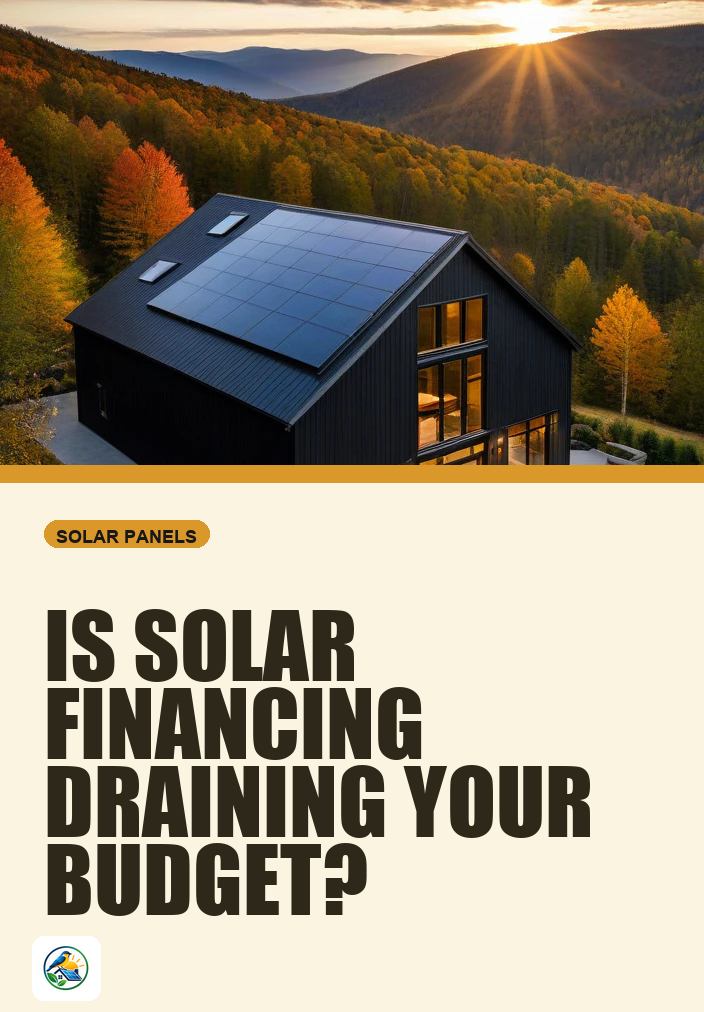
Understanding Your Financing Options for Solar Panels on Two-Story Homes
Considering solar panels for your two-story home can be an exciting yet complex decision. The financing aspect is crucial and varies widely depending on your specific situation, location, and energy needs. This article will help you navigate through the different financing options, the trade-offs involved, and key considerations for homeowners contemplating a solar installation.
Why Financing Matters for Solar Panels
Financing solar panels is not just about acquiring the panels themselves; it encompasses the entire installation process, including potential battery storage solutions. The way you choose to finance your solar system can significantly impact your overall investment and long-term satisfaction. With various options available, understanding the nuances of each can help you make an informed decision.
Common Financing Options for Solar Panels
There are several financing avenues available for homeowners considering solar panels. Below are the most common options:
- Cash Purchase: Paying outright for your solar system might yield the best long-term savings, as you avoid interest and financing fees. However, the upfront cost can be substantial.
- Solar Loans: Many lenders offer loans specifically for solar installations. These loans can be secured or unsecured and often have terms ranging from 5 to 20 years. Monthly payments can help manage cash flow.
- Leases: In a solar lease, you pay a fixed monthly fee to use the solar system. The installer owns the system, and you benefit from reduced electricity costs without the upfront expense. However, you may miss out on tax credits and incentives.
- Power Purchase Agreements (PPAs): A PPA allows you to purchase the power generated by the solar system at a predetermined rate. This can be less than your utility rate, but similar to leases, you typically don’t own the system.
Comparative Analysis of Financing Options
When deciding which financing option is best for your two-story home, consider the following factors:
1. Upfront Costs
Cash purchases require the highest initial investment. On the other hand, loans, leases, and PPAs can lower your upfront costs significantly. Evaluate your financial situation to see how much you can afford initially.
2. Long-Term Financial Impact
While cash purchases can save you money over time, loans can also provide significant savings if managed correctly. Leases and PPAs may reduce your immediate financial burden, but they often limit your long-term savings potential, as you do not own the system.
3. Ownership and Incentives
Ownership of the system typically allows you to take advantage of tax credits and incentives. If you finance through a loan or cash purchase, you may qualify for federal and state incentives, but leases and PPAs generally do not offer these benefits.
4. Maintenance and Responsibilities
With ownership, you are responsible for maintenance, repairs, and potential upgrades. Leases and PPAs often transfer these responsibilities to the installer, which can be a relief for some homeowners.
5. Flexibility and Resale Considerations
If you choose to sell your home, a financed system can complicate the sale unless the new owner is willing to assume the loan or lease. Cash purchases may be easier to transfer as part of a home sale, especially if your solar system adds value to your property.
Key Considerations for Two-Story Homes
Two-story homes present unique challenges when it comes to solar installations. Here are some factors to keep in mind:
- Roof Condition and Orientation: Ensure that your roof is in good condition and has optimal orientation for solar. South-facing roofs typically generate the most energy, while east and west-facing roofs can still be viable.
- Shading: Trees, neighboring buildings, and other obstructions can create shade that significantly affects energy production. A professional assessment can help identify potential shading issues.
- Structural Considerations: The weight of solar panels and mounting equipment may require structural upgrades, especially in older homes. Assess whether your roof can support the additional weight.
- Electrical System Upgrades: Your home’s electrical system may need upgrades to accommodate solar. Discuss any potential electrical work with your installer.
- Battery Backup Systems: If you are considering battery storage, be aware of the additional costs and space requirements for installation. Batteries can enhance energy independence but may add complexity to your financing.
When to Get Professional Quotes
Before making a final decision, obtaining quotes from qualified solar installers is critical. A professional assessment will provide valuable insights into:
- How many panels you will need based on your energy consumption.
- Specific costs associated with installation and financing options.
- Tailored recommendations based on your home’s characteristics and local regulations.
Most installers will provide a detailed breakdown of costs, financing options, and available incentives, allowing you to make an informed choice. Comparing these itemized quotes will enable you to evaluate the best financial pathway for your solar investment.
Next Steps for Homeowners
Financing solar panels for a two-story home involves careful consideration of various options and their implications. Begin by assessing your financial situation and energy needs, then explore different financing methods. Obtaining quotes from multiple reputable installers will give you a clearer picture of what solar can mean for your home and finances. Remember, local factors like utility policies, incentives, and installation costs can significantly affect your decision, so stay informed and verify any claims before proceeding.


















