
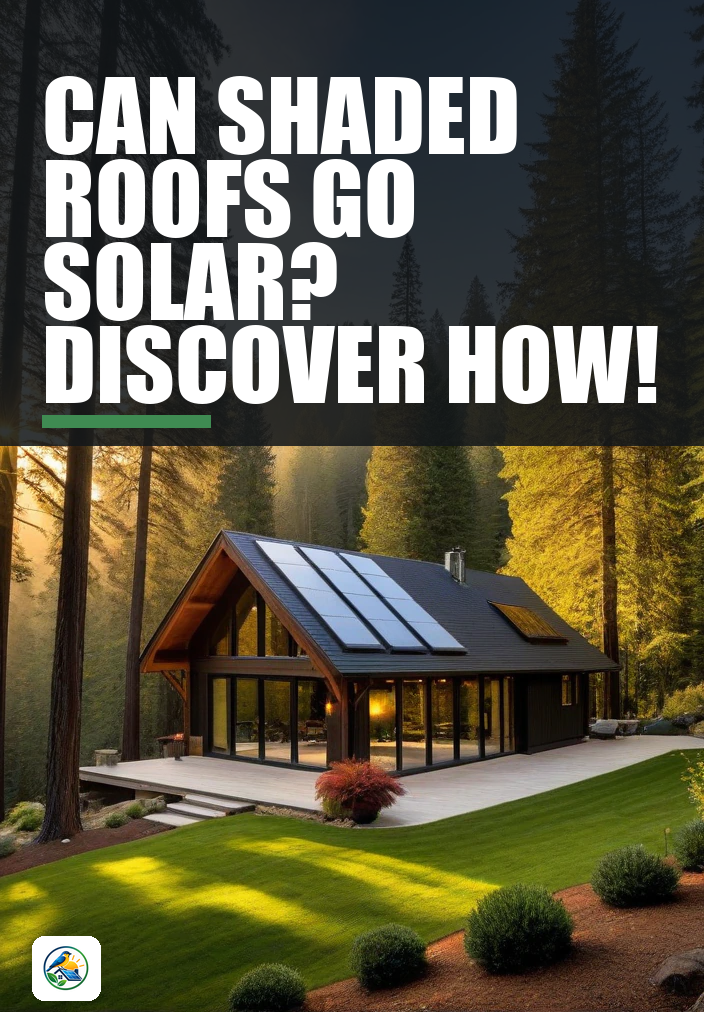
Understanding the Challenges of Installing Solar Panels on Shaded Roofs
When considering solar panels for your home, one of the first questions that may arise is whether your roof is suitable for this type of installation. For homeowners with shaded roofs, the decision can be particularly complex. While solar energy offers numerous benefits, shaded roofs present unique challenges that require thoughtful consideration. This article aims to guide you through the financing options and practical steps you can take if you’re a homeowner with a shaded roof contemplating solar energy.
Evaluating Your Roof’s Solar Potential
Before diving into financing options, it’s essential to assess your roof’s solar potential. Here are some factors to consider:
- Shade Sources: Identify what is causing the shade on your roof. Is it from nearby trees, buildings, or other structures? Understanding the source will help determine if trimming or removing vegetation is an option.
- Roof Orientation: South-facing roofs typically have the best solar exposure, while east and west-facing roofs can still work, albeit less efficiently. North-facing roofs can be less effective depending on the degree of shading.
- Roof Condition: Ensure your roof is in good condition before installation. If your roof requires repairs or replacement soon, it might be wise to address this before installing solar panels.
Options for Financing Solar Panels on Shaded Roofs
Once you’ve evaluated your roof, the next step is exploring financing options for solar panels. Here are some common methods:
1. Cash Purchase
Paying for your solar panels outright is the most straightforward option. While this requires a significant upfront investment, it eliminates financing costs and allows you to enjoy the full benefits of solar energy.
2. Solar Loans
If paying in cash isn’t feasible, consider a solar loan. These loans are designed specifically for financing solar installations and usually come with low-interest rates. However, it’s important to factor in the loan’s terms and how it might affect your monthly budget.
3. Leases and Power Purchase Agreements (PPAs)
With a solar lease or PPA, you can install solar panels with little to no upfront cost. Instead, you pay a monthly fee to use the solar energy generated. However, keep in mind that these options may not provide the same long-term savings as owning the system outright.
Assessing the Trade-offs of Installing on a Shaded Roof
Installing solar panels on a shaded roof may not be as straightforward as on one that receives full sun exposure. Here are some trade-offs to consider:
- Reduced Energy Production: The more shaded your panels are, the less energy they can produce. This may impact your overall energy savings and return on investment.
- Panel Placement: You may need to install fewer panels or consider alternative placements on your roof to optimize energy production, which can complicate the design and installation process.
- Battery Considerations: If you’re considering a home battery to store solar energy, ensure it is sized appropriately for your energy needs. Shaded panels may require a larger battery capacity to meet your household’s energy demands.
Maximizing Efficiency in Shaded Conditions
While shaded roofs present challenges, there are ways to enhance solar panel efficiency:
1. Panel Selection
Some panels perform better in low-light conditions than others. Look for high-efficiency panels, which can capture more sunlight even in partial shade.
2. Microinverters and Power Optimizers
Consider using microinverters or power optimizers. These technologies allow individual panels to operate independently, improving performance when some panels are shaded while others are not.
3. Tree Trimming and Landscaping
If the source of shade is manageable, consider trimming trees or reshaping your landscaping to allow more sunlight to reach your roof. Consult with a landscaping expert to assess your options.
When to Consult a Professional Installer
Getting an accurate assessment of your roof’s potential for solar power can be complicated. Consulting with a professional installer can provide valuable insights tailored to your specific situation. A qualified installer will:
- Conduct a site analysis to assess shading issues, roof condition, and optimal panel placement.
- Provide a detailed quote that outlines equipment, installation costs, and financing options.
- Help you navigate local incentives and permitting processes.
Important Considerations for Homeowners
When considering solar panels for a shaded roof, keep in mind:
- Permitting and Local Regulations: Requirements can vary significantly by location. Verify local rules regarding solar installations.
- Utility Policies: Understand your utility’s net metering and interconnection policies, as these can affect the economics of your solar system.
- Future Plans: Consider your long-term plans for your home. If you plan to stay for several years, the investment may be more worthwhile than if you plan to move soon.
Next Steps for Homeowners
If you’re considering solar panels for your shaded roof, start by gathering information and comparing quotes from qualified installers. Look for itemized estimates that clearly outline costs, equipment, and financing options. This will help you make an informed decision about whether solar panels are a good fit for your home.
Remember, every home is unique, and what works for one homeowner may not be the best solution for another. Take the time to explore your options and find what works best for your situation.


















