
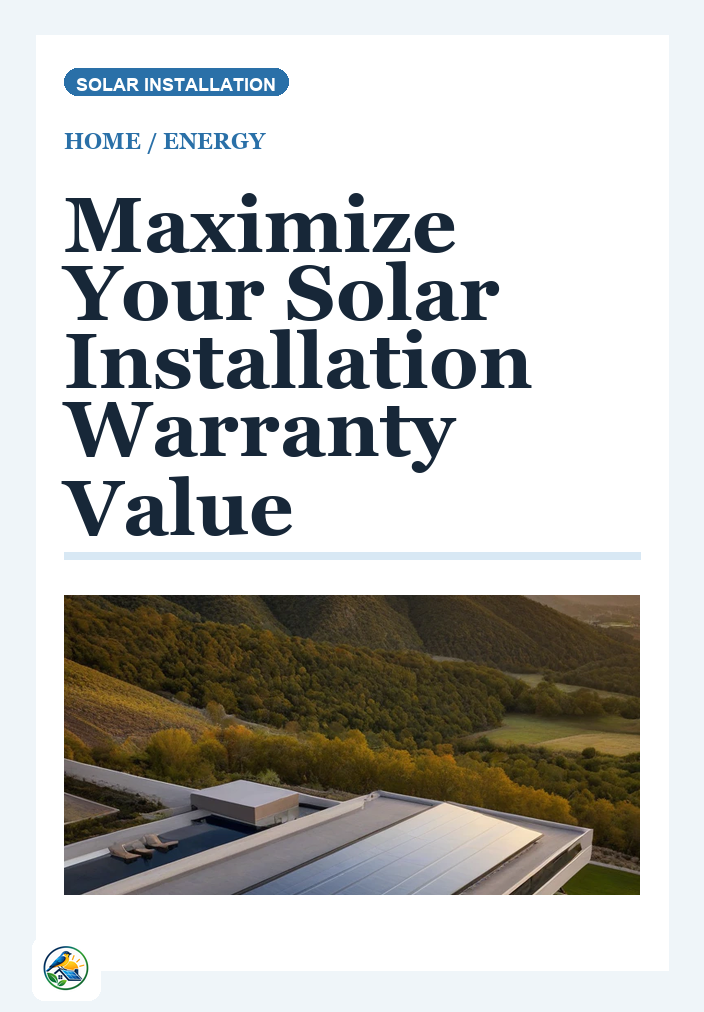
Understanding Solar Installation Warranties
When considering a solar installation for your home, understanding the warranties offered by various manufacturers and installers is crucial. Warranties can significantly affect the overall value of your investment, providing you with peace of mind and financial protection. This article will guide you through the process of comparing solar installation warranties to help you make an informed decision.
Types of Warranties in Solar Installation
Solar installations typically come with two primary types of warranties: product warranties and performance warranties. Understanding the differences between these warranties can help you assess the value of your solar system more effectively.
1. Product Warranties
Product warranties cover the physical components of your solar system, such as the solar panels, inverters, and mounting hardware. These warranties generally protect against defects in materials and workmanship.
- Solar Panels: Most manufacturers offer product warranties ranging from 10 to 25 years, covering issues like manufacturing defects or premature degradation.
- Inverters: Inverter warranties usually last between 5 to 15 years and may cover defects and failures.
- Mounting Systems: Warranties on mounting hardware can vary, but many offer coverage for 10 years or more.
2. Performance Warranties
Performance warranties guarantee a specific level of energy output from your solar panels over a set period, typically 25 years. These warranties ensure that your solar panels will produce a certain percentage of their rated capacity, which is critical for assessing the financial viability of your system.
- First-Year Production: Performance warranties often guarantee that your solar panels will produce a certain percentage of their rated capacity in the first year.
- Degradation Rate: Many performance warranties also specify a degradation rate, indicating how much the panel’s output will decline each year. A typical degradation rate is around 0.5% to 1% per year.
Key Considerations When Comparing Warranties
When comparing solar installation warranties, several factors can influence their value. Here are essential considerations to keep in mind:
1. Length of Coverage
Take note of the duration of both product and performance warranties. Longer warranties often indicate manufacturer confidence in their products. However, the length alone does not guarantee quality; investigate the manufacturer’s reputation and reliability.
2. Warranty Transferability
Consider whether the warranty is transferable if you decide to sell your home. A transferable warranty can increase the resale value of your home by providing potential buyers with reassurance about the solar system’s reliability.
3. Claims Process
Review the warranty claims process. A straightforward and transparent process is crucial. Read through the warranty documentation to understand what steps you need to take if you encounter issues with your system.
4. Exclusions and Limitations
Pay close attention to any exclusions or limitations in the warranty. Some warranties may not cover damage caused by specific events, such as natural disasters or improper installation. Knowing these details upfront will help you avoid surprises later.
Additional Factors to Consider
Beyond warranties, several factors can influence your decision to install solar panels:
- Roof Condition: Ensure your roof is in good condition before installation. If your roof needs repairs or replacement, consider addressing that first, as it can impact the longevity of your solar system.
- Sun Exposure: Evaluate how shade from trees or nearby buildings might impact the performance of your solar panels. A site assessment by a professional installer can help identify potential issues.
- Utility Policies: Research local utility policies regarding net metering and interconnection, as they can affect the financial benefits of solar energy.
- Battery Backup Systems: If you’re considering a battery backup system, review the warranties and expected lifespan of the batteries as well.
Getting the Best Value from Your Solar System
To ensure you get the most value from your solar installation, consider obtaining multiple quotes from qualified installers. Look for detailed itemized quotes that break down the costs of equipment, installation, and warranties. This will allow you to make a well-informed comparison.
Checklist for Comparing Quotes
- Compare Warranty Lengths: Note the coverage period for both product and performance warranties.
- Review Transferability: Check if the warranty can be transferred to a new homeowner.
- Understand Exclusions: Identify any limitations or exclusions in the warranties.
- Investigate the Installer: Research the installer’s reputation and customer reviews.
- Ask About Claims: Inquire about the claims process and any required documentation.
Next Steps
When comparing solar installation warranties, take the time to carefully review each component and consider how it aligns with your long-term energy goals. Be diligent in obtaining quotes from multiple qualified installers and ensure they provide itemized details of equipment, labor, and warranties. Finally, verify any incentives or tax credits with local authorities to understand the full financial picture of your solar investment.


















