
Understanding the Solar Site Survey Process
As homeowners consider the transition to solar energy, one of the critical steps in the planning process is the solar site survey. This survey is an essential evaluation conducted by a professional installer to determine the feasibility and optimal setup for a residential solar system, and it often includes assessing the roof, electrical system, and overall energy needs. To ensure you are well-prepared and can make informed decisions, it’s important to ask the right questions during this process.
Key Questions to Ask During Your Solar Site Survey
1. What Factors Will You Evaluate During the Survey?
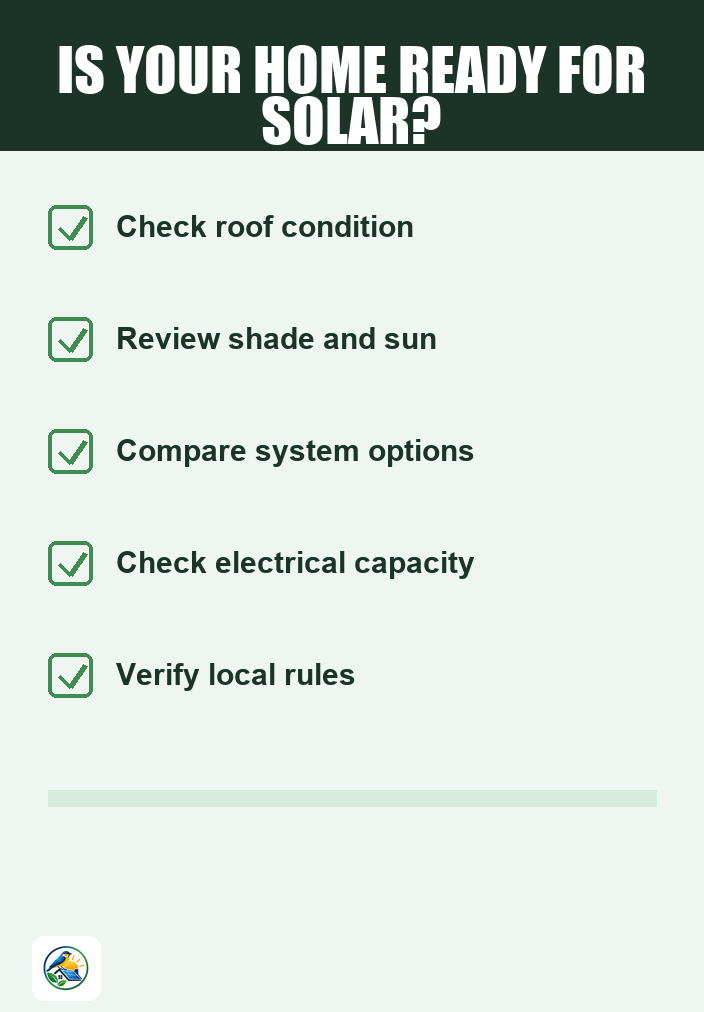
- Roof Condition: Is your roof structurally sound? Are there any repairs needed?
- Roof Orientation and Angle: Which direction does your roof face? What angle is optimal for solar energy capture?
- Shading Analysis: Are there trees, buildings, or other obstructions that could cast shadows on your panels?
- Electrical System Compatibility: Is your current electrical system sufficient to support solar? Will upgrades be necessary?
Asking about these factors will help you understand the overall suitability of solar for your home.
2. What Are the Best Solar Options for My Home?
Solar systems come in various configurations, including grid-tied, battery backup, and off-grid systems. Depending on your home’s energy needs, location, and budget, the installer should help you determine the best system. Consider asking:
- What type of system do you recommend and why?
- Will I need a battery backup system? If so, what capacity would be appropriate?
- What are the pros and cons of each system type?
3. Can You Provide an Estimate of the System Size I Need?
The size of the solar system you need will depend on your household energy consumption and the solar potential of your roof. Ask the installer:
- How did you calculate the recommended system size?
- What factors influence your sizing recommendation?
- How can I optimize my energy use to align with solar production?
Having a clear understanding of the recommended system size can help you gauge potential costs and benefits.
4. What Are the Expected Costs and Payment Options?
While costs can vary significantly based on location and system specifications, it’s vital to discuss financial aspects upfront. Consider asking:
- Can you provide a detailed breakdown of costs?
- What financing options are available?
- Are there any incentives or rebates I should be aware of?
Requesting a detailed cost estimate can help you compare quotes effectively from different installers.
5. What Will the Installation Process Look Like?
Understanding the installation process can help you prepare your home and schedule. You might ask:
- How long will the installation take?
- Will there be any disruptions to my daily routine?
- What kind of permits will be required, and will you handle them?
Knowing what to expect can help you plan accordingly and minimize inconveniences.
6. What Are the Maintenance Requirements?
Solar systems require minimal maintenance, but it’s essential to understand what will be needed to keep your system operating efficiently. Questions to ask include:
- What maintenance will be required, and how often?
- Will you provide ongoing support or monitoring services?
- What should I do if I notice issues with my system?
Understanding maintenance requirements can help you plan for the long-term care of your solar system.
7. How Will You Handle Interconnections with My Utility Provider?
Connecting your solar system to the grid can involve specific procedures and regulations. Be sure to ask:
- What steps will you take to connect my system to the utility grid?
- Are there any specific utility policies I should be aware of?
- How will net metering work with my system?
Understanding these processes can help you avoid surprises and ensure a smooth transition to solar energy.
Practical Next Steps After Your Solar Site Survey
After completing your solar site survey, it’s essential to take the following steps:
- Review the detailed proposal provided by the installer.
- Compare itemized quotes from multiple qualified solar installers to get a comprehensive understanding of costs and offerings.
- Verify current local utility regulations, incentives, and tax credit eligibility, as these can change over time and vary by location.
- Consult with neighbors or online resources for insights on local installers and their reputations.
By preparing adequately for your solar site survey and asking the right questions, you can make informed decisions that align with your energy needs and financial goals, ensuring a successful transition to solar power.


















